Educational note: This site publishes independent educational content for general readers. Articles about ecology, wildlife, conservation, pollution, animal behavior, or environmental risk are informational only and should not be treated as scientific, legal, regulatory, veterinary, medical, emergency, or professional advice. Consult qualified experts, peer-reviewed sources, and official local guidance before making decisions.
Marine algae represent one of the most diverse and vital groups of organisms on our planet. Often overlooked as mere “seaweed,” these photosynthetic wonders are the silent architects of the underwater world. They range from microscopic single-celled organisms to massive kelp forests that rival terrestrial jungles in complexity and biomass. As the global community looks toward sustainable solutions for climate change, food security, and environmental restoration, marine algae have emerged as a “green treasure” with the potential to transform both our ecology and our economy.
Understanding the Biological Diversity of Marine Algae
The term “algae” encompasses a vast array of organisms that are primarily classified by their pigmentation and cellular structure. Understanding these distinctions is crucial for appreciating their specific roles in the marine environment. The three primary groups include Chlorophyta (green algae), Phaeophyta (brown algae), and Rhodophyta (red algae).
The Characteristics of Green Algae
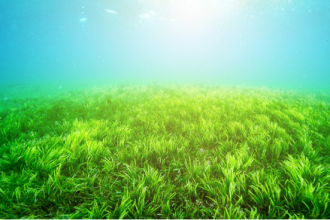
Green algae are most closely related to terrestrial plants. They contain chlorophyll a and b, which gives them their vibrant green hue. Found in both freshwater and marine environments, green algae like Ulva lactuca (sea lettuce) are highly adaptable. They serve as primary producers, converting sunlight into chemical energy through photosynthesis, which supports a vast network of marine life.
Brown and Red Algae: The Giants and the Builders
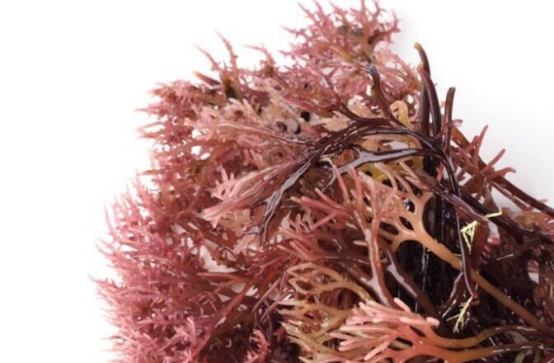
Brown algae, such as giant kelp, are the largest of the marine algae and are known for their rapid growth rates. They thrive in cooler coastal waters and provide essential structural complexity to the ocean floor. Red algae, on the other hand, are often found at greater depths because their unique pigments allow them to absorb blue light more efficiently. Many red algae species are involved in the formation of coral reefs by secreting calcium carbonate, acting as the “glue” that binds reef structures together.

The Ecological Role of Seaweed in Carbon Sequestration and Habitat Creation
Seaweed is often hailed as an “eco-hero” due to its extraordinary capacity for environmental restoration. One of its most critical functions is carbon sequestration. Marine algae absorb carbon dioxide from the water at rates that can exceed those of land-based forests. This process, often referred to as “Blue Carbon” storage, is a vital component in the global effort to mitigate climate change and reduce ocean acidification.
Nutrient Cycling and Water Purification
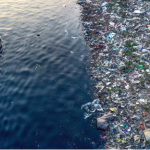
In addition to carbon capture, seaweed plays a major role in nutrient cycling. They absorb excess nitrogen and phosphorus from the water—often the result of agricultural runoff—preventing harmful algal blooms and “dead zones” where oxygen levels are too low for fish to survive. By acting as a natural filtration system, seaweed beds maintain the chemical balance of coastal waters, ensuring a healthy habitat for diverse marine species.
Providing Refuge and Nursery Grounds
Kelp forests and seaweed beds provide a three-dimensional habitat that offers protection and food for countless organisms. From juvenile fish and crustaceans to sea otters and seals, these “underwater forests” are biodiversity hotspots. They serve as nurseries where young marine life can grow safely away from large predators, ensuring the continuity of commercial and ecological fish stocks.

Symbiotic Relationships: Reef Algae and the Survival of Coral Ecosystems
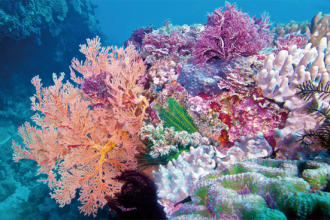
Coral reefs are some of the most productive ecosystems on Earth, but their existence depends entirely on a delicate symbiotic relationship with specialized algae known as zooxanthellae. These microscopic algae live within the tissues of coral polyps, providing them with essential nutrients through photosynthesis.
The Mechanism of Symbiosis
In this mutualistic relationship, the coral provides the algae with a protected environment and the compounds necessary for photosynthesis (such as CO2 and nitrogenous waste). In return, the zooxanthellae produce oxygen and organic products like glucose and amino acids, which the coral uses to build its calcium carbonate skeleton. This partnership is what allows coral reefs to flourish in nutrient-poor tropical waters.
The Threat of Coral Bleaching
When ocean temperatures rise or water quality declines, corals become stressed and expel their algal partners. This process is known as coral bleaching. Without the algae, the coral loses its primary food source and its vibrant color, eventually leading to the death of the reef. Understanding the resilience of reef algae is therefore paramount to coral conservation efforts worldwide.

Green Algae: The Foundation of the Marine Food Chain
Green algae are the “basic suppliers” of the ocean. As primary producers, they represent the first link in the marine food web. Through the process of photosynthesis, they convert solar energy into organic matter, which then flows through various trophic levels, from microscopic zooplankton to the largest whales.
Energy Transfer in Marine Ecosystems
The energy produced by green algae is transferred when they are consumed by primary consumers like small fish, snails, and sea urchins. These organisms are then eaten by larger predators. Without the high reproductive rates and energy density of green algae, the entire marine food chain would collapse. They are particularly important in coastal areas and tide pools, where they support a high density of specialized marine life.

Seaweed as a Global Superfood and Nutritional Powerhouse
Beyond its ecological importance, seaweed is increasingly recognized as a “superfood” in human nutrition. For centuries, coastal cultures in Asia and Northern Europe have included seaweed in their diets, and modern science is now validating the immense health benefits of this practice.
Rich Nutritional Profile
Seaweed is one of the most nutrient-dense foods available. It is an unparalleled source of iodine, which is essential for healthy thyroid function. Furthermore, it contains a unique profile of vitamins and minerals that are often lacking in land-based vegetables, including:
- Vitamin K and B12: Essential for blood clotting and nerve function.
- Omega-3 Fatty Acids: Crucial for heart health and brain function.
- Antioxidants: Compounds like fucoxanthin help protect cells from oxidative stress and inflammation.
- Magnesium and Calcium: Vital for bone density and metabolic health.

Industrial and Economic Applications of Marine Algae
The economic value of marine algae extends far beyond the dinner plate. In the industrial sector, algae are processed into various hydrocolloids, such as agar, carrageenan, and alginate. These substances are used as thickening and stabilizing agents in everything from ice cream and toothpaste to pharmaceuticals and cosmetics.
Agricultural and Biotechnological Uses
In agriculture, seaweed extracts are used as high-quality organic fertilizers and animal feed supplements. They enhance plant growth, improve soil structure, and increase the resilience of crops to environmental stress. In the field of biotechnology, researchers are exploring the use of algae for biofuel production and the creation of biodegradable plastics, offering a sustainable alternative to fossil-fuel-based products.

The Future of Ecological Restoration Through Algal Cultivation
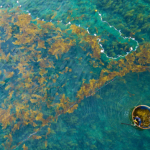
As natural seaweed beds face threats from rising sea temperatures and pollution, algal cultivation (seaweed farming) has become a cornerstone of marine restoration. By intentionally planting and harvesting seaweed, we can actively restore degraded marine environments while creating economic opportunities for coastal communities.
Sustainable Aquaculture Practices
Seaweed farming is one of the most sustainable forms of aquaculture. It requires no fresh water, no land, and no chemical fertilizers. In fact, seaweed farms often improve the surrounding water quality. Integrated Multi-Trophic Aquaculture (IMTA) systems combine seaweed farming with fish or shellfish farming, where the seaweed absorbs the waste products of the animals, creating a closed-loop, zero-waste ecosystem.

Preserving Marine Biodiversity for Future Generations
The protection of marine algae is not just an environmental concern; it is a necessity for global stability. From the oxygen we breathe to the food we eat, the “marine green treasure” supports the life-support systems of our planet. Protecting these organisms requires a multi-faceted approach involving international policy, sustainable harvesting practices, and public education.
By recognizing seaweed and algae as vital ecological and economic assets, we can move toward a future where our oceans are healthy, productive, and resilient. The transition to a “blue economy” powered by marine algae offers a path toward harmony between human industry and the natural world.
Frequently Asked Questions (FAQ)
- Q1: What is the main difference between seaweed and green algae?
- While “seaweed” is a general term for large, multicellular marine algae, green algae (Chlorophyta) is a specific biological group. All green seaweeds are green algae, but not all green algae are seaweeds—some are microscopic or live in freshwater. Seaweed also includes brown and red algae groups.
- Q2: How do reef algae contribute to the health of coral reefs?
- Reef algae, specifically zooxanthellae, provide corals with up to 90% of their energy through photosynthesis. Additionally, crustose coralline algae (red algae) act as a biological cement, strengthening the reef structure and providing a surface for new coral larvae to settle and grow.
- Q3: Can seaweed cultivation really mitigate climate change?
- Yes, seaweed is a powerhouse for carbon sequestration. It grows much faster than land plants and can absorb massive amounts of CO2. When seaweed dies or is harvested and processed correctly, that carbon is removed from the immediate atmosphere, helping to reduce the greenhouse effect and ocean acidification.
- Q4: Is it safe to eat any seaweed found on the beach?
- While most seaweeds are non-toxic, they are highly efficient at absorbing minerals and pollutants from their environment. Seaweed collected from polluted waters or near industrial sites can contain high levels of heavy metals like arsenic or lead. It is always safest to consume seaweed that has been commercially harvested and tested for safety.
- Q5: What are the industrial uses of seaweed extracts like agar?
- Agar and carrageenan are used extensively in the food industry as gelling agents. They are also vital in microbiology for creating culture media (Petri dishes) to grow bacteria. Furthermore, they are used in the textile industry for sizing fabrics and in the pharmaceutical industry for coating pills.