Educational note: This site publishes independent educational content for general readers. Articles about ecology, wildlife, conservation, pollution, animal behavior, or environmental risk are informational only and should not be treated as scientific, legal, regulatory, veterinary, medical, emergency, or professional advice. Consult qualified experts, peer-reviewed sources, and official local guidance before making decisions.
Coastal zones, where land meets sea, are dynamic frontiers teeming with life and ecological processes. These regions are home to a diverse array of specialized plant species that have adapted to harsh conditions, from fluctuating tides and saline soils to intense sunlight and strong winds. Far from being mere inhabitants, these coastal plants are critical engineers of their environments, performing indispensable functions that range from purifying water and stabilizing shorelines to regulating salinity and fostering biodiversity. Understanding their intricate roles is paramount to appreciating the resilience of marine ecosystems and the urgent need for their conservation.
Salt Marsh Plants: Nature’s Advanced Water Purification Systems
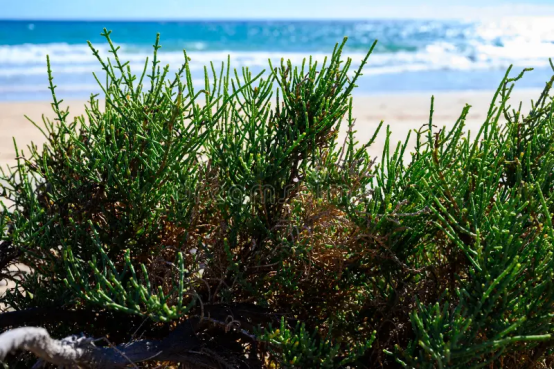
Salt marsh plants are indispensable components of estuarine and coastal ecosystems, acting as highly efficient natural filtration systems. These hardy plants, such as various species of cordgrass (Spartina spp.), glasswort (Salicornia spp.), and pickleweed (Sarcocornia spp.), thrive in intertidal zones where freshwater runoff mixes with seawater. Their unique physiological and structural adaptations allow them to not only survive in these challenging, saline environments but to actively contribute to the health and vitality of the surrounding waters. The filtration capabilities of salt marshes are a multi-faceted process involving physical, chemical, and biological mechanisms.
How Salt Marshes Act as Biofilters
The dense network of vegetation and the underlying sediment in salt marshes create an extraordinarily effective biofilter. This process is critical for processing the considerable influx of pollutants and sediments originating from terrestrial sources. The mechanisms involved are complex and interdependent:
- Sediment Trapping: As tides flood the marsh, the dense stems and leaves of salt marsh plants significantly slow down water flow. This reduction in velocity allows suspended sediments, silt, and particulate matter carried by rivers and runoff to settle out of the water column and become trapped within the marsh. This physical trapping mechanism prevents these sediments from reaching open coastal waters, where they could reduce light penetration, smother benthic organisms, and degrade habitats.
- Nutrient Absorption: Salt marsh plants are highly efficient at absorbing excess nutrients, particularly nitrogen and phosphorus, which are common pollutants from agricultural runoff, wastewater treatment plants, and urban areas. The plants directly take up these nutrients for their growth, while specialized microbes living in the anoxic (oxygen-depleted) marsh sediments convert excess nitrogen compounds into harmless nitrogen gas through a process called denitrification. This biological process prevents nutrient overloading, which can lead to harmful algal blooms and eutrophication in coastal waters.
- Contaminant Sequestration: Beyond sediments and nutrients, salt marshes can also trap and sequester various contaminants, including heavy metals, pesticides, and other organic pollutants. These substances can bind to the organic matter in the marsh sediments or be taken up by the plants themselves, effectively removing them from the active water column and reducing their bioavailability to marine organisms. While this sequestration can be a long-term benefit, it also highlights the importance of minimizing pollution sources to prevent accumulation in these vital ecosystems.
An exemplary case study in the Chesapeake Bay has shown that salt marshes can remove up to 90% of nitrogen and 70% of phosphorus from agricultural runoff before it reaches the bay, significantly mitigating eutrophication and supporting the recovery of oyster beds and seagrass meadows.
Enhancing Coastal Water Quality and Reducing Pollution
The cumulative effect of these biofiltration processes is a profound improvement in coastal water quality. By reducing turbidity, removing excess nutrients, and sequestering harmful pollutants, salt marshes create clearer, cleaner water that benefits a wide array of marine life. This enhanced water quality is crucial for:
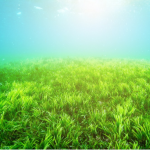
- Supporting Photosynthesis: Clearer water allows sunlight to penetrate deeper, supporting the growth of submerged aquatic vegetation (SAV) like seagrasses, which are themselves critical habitats and oxygen producers.
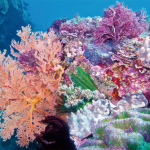
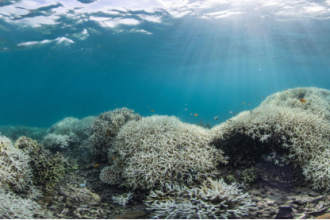
- Protecting Sensitive Habitats: Reduced pollution safeguards coral reefs, oyster beds, and other sensitive habitats that are vulnerable to nutrient overload and sediment smothering.
- Maintaining Fisheries: Healthier water directly translates to healthier fish populations and shellfish, supporting commercial and recreational fisheries that are vital to coastal economies.
- Human Health: By filtering out pathogens and pollutants, salt marshes contribute to safer waters for human recreation, such as swimming and fishing, and reduce the risk of seafood contamination.

Sea Iris: The Ecological Engineer of Salinity Regulation
While salt marsh plants excel at filtration, another remarkable group of coastal flora, often referred to as sea iris (a term encompassing various wetland irises or similar tropical aquatic plants adapted to brackish conditions), stands out for its specialized role as an ecological buffer zone, particularly in regulating seawater salinity. These plants are frequently found in tropical and subtropical coastal waters, inhabiting the transitional zones where freshwater inputs meet the saline influence of the ocean. Their presence is a testament to nature’s intricate solutions for creating stable environments within inherently dynamic systems.
How Sea Iris Manages Salinity
The ability of sea iris to thrive in and influence brackish environments stems from sophisticated physiological adaptations:
- Salt Tolerance and Excretion: Many species of sea iris exhibit high salt tolerance, employing mechanisms to either exclude salt at the roots or accumulate it in specialized glands or tissues, which are then shed. This process helps to prevent salt toxicity within the plant’s cells, allowing it to maintain metabolic functions even in highly saline conditions.
- Buffering Salinity Fluctuations: Beyond merely tolerating salt, sea iris can actively influence the salinity of the immediate surrounding waters. Their extensive root systems can absorb and translocate salts from the soil and water, effectively acting as a natural desalinator in their microenvironment. This localized regulation creates zones of more stable, moderate salinity, even when external conditions fluctuate due to tidal cycles, rainfall, or drought. This buffering capacity is particularly crucial in estuaries and lagoons where salinity can change dramatically over short periods.
- Water Movement Regulation: The dense growth of sea iris also physically impedes water flow, allowing for slower mixing of freshwater and saltwater. This physical barrier contributes to the creation of stable salinity gradients, offering refuge for species that are sensitive to rapid changes in salt concentration.
For instance, in certain tropical coastal wetlands, studies have observed that areas dense with sea iris maintain a more consistent salinity profile compared to adjacent open water zones, providing a critical refuge for juvenile fish and invertebrate species during periods of extreme tidal flux or freshwater discharge.
Creating Ecological Buffer Zones and Providing Crucial Habitats
The salinity regulation performed by sea iris contributes significantly to the formation of rich ecological buffer zones. These zones are characterized by their ability to moderate environmental extremes, creating stable conditions that support a higher diversity of life. The benefits extend beyond salinity control:
- Habitat Provision: The dense foliage and root systems of sea iris provide vital shelter, breeding grounds, and nursery areas for a myriad of aquatic organisms, including fish, crustaceans, and insects. These areas protect juvenile marine life from predators and strong currents, fostering biodiversity.
- Food Source: The plant material itself, or the associated microbial communities, serves as a food source for herbivores and detritivores, forming the base of complex food webs within the coastal ecosystem.
- Erosion Control: Similar to salt marsh plants, the robust root systems of sea iris help to stabilize shorelines and sediments, reducing erosion caused by wave action and currents. This protection is particularly valuable in tropical regions prone to hurricanes and coastal storms.
- Nutrient Cycling: While their primary role may be salinity regulation, sea iris also contributes to nutrient uptake and cycling, further enhancing water quality within their buffer zones.

Beyond Filtration and Salinity: Comprehensive Ecological Benefits
The specific functions of water purification by salt marsh plants and salinity regulation by sea iris are just two facets of the broader, invaluable contributions that coastal flora make to marine ecosystems. Their collective presence and ecological services extend to supporting immense biodiversity, protecting vulnerable coastlines, and playing a critical role in global climate regulation. These plants are foundational to the health and resilience of coastal zones worldwide, acting as multi-functional ecosystem engineers.
Supporting Biodiversity and Marine Life
Coastal plant communities are hotspots of biodiversity, providing essential habitats for a vast array of species that span the entire food web:
- Nursery Grounds: Many commercially important fish and shellfish species, such as shrimp, crabs, and juvenile snappers, utilize salt marshes and sea iris beds as critical nursery habitats. The dense vegetation offers protection from predators and abundant food sources, significantly increasing their survival rates.
- Bird Habitats: Coastal wetlands are vital foraging and nesting grounds for numerous migratory and resident bird species, including wading birds, waterfowl, and raptors. The diverse invertebrate populations supported by these plants provide a rich food supply.
- Invertebrate Communities: The intricate root systems and plant structures create microhabitats for a diverse range of invertebrates, from snails and crabs to various insect larvae, which form the base of many coastal food webs.
- Genetic Diversity: These plants themselves represent unique genetic adaptations to challenging environments, contributing to the overall genetic diversity of the planet.
A single acre of salt marsh can support thousands of pounds of marine organisms annually, illustrating the immense productivity and biodiversity these ecosystems foster.
Coastal Protection Against Erosion and Storm Surges
The physical structure of coastal plant communities provides a natural, living barrier that protects shorelines from the relentless forces of the ocean:
- Erosion Control: The dense root mats of plants like cordgrass and sea iris bind sediments together, preventing erosion caused by waves, tides, and currents. This natural stabilization is often more effective and sustainable than engineered solutions like seawalls.
- Wave Attenuation: The above-ground vegetation acts as a buffer, dissipating wave energy before it reaches the shoreline. This reduces the impact of storm surges and everyday wave action, protecting coastal infrastructure, homes, and agricultural lands from damage and inundation.
- Sediment Accretion: By trapping sediments, coastal plants not only purify water but also contribute to the vertical accretion of the marsh or wetland, allowing it to keep pace with rising sea levels. This natural adaptation mechanism is crucial for the long-term survival of coastal ecosystems in the face of climate change.
During Hurricane Katrina, areas protected by intact coastal wetlands experienced significantly less damage and storm surge penetration compared to areas where these natural barriers had been degraded or lost, providing a stark demonstration of their protective value.

Conservation and the Future of Coastal Plant Ecosystems
Despite their undeniable importance, coastal plant ecosystems worldwide face significant threats from human activities and climate change. Protecting and restoring these vital habitats is not merely an ecological imperative but an economic and social necessity, ensuring the continued provision of their invaluable ecosystem services. The future health of our coastal zones, and indeed our planet, is intrinsically linked to the fate of these natural guardians.
Threats to Coastal Plant Habitats
The pressures on coastal plant ecosystems are numerous and compounding:
- Habitat Destruction and Degradation: Coastal development, urbanization, and agricultural expansion lead to the direct loss of salt marshes, mangrove forests, and other coastal wetlands. Dredging, filling, and alteration of hydrological regimes further fragment and degrade remaining habitats.
- Pollution: Runoff from land-based sources, including agricultural chemicals, industrial waste, and untreated sewage, introduces excessive nutrients, heavy metals, and toxins that can overwhelm the natural filtration capacity of these systems and harm the plants themselves.
- Climate Change: Rising sea levels, increased frequency and intensity of storms, and changes in temperature and precipitation patterns pose existential threats. While some coastal plants can adapt to rising sea levels through sediment accretion, rapid rates of sea-level rise can lead to “coastal squeeze” where habitats are drowned or lost to development.
- Invasive Species: The introduction of non-native plant species can outcompete native coastal flora, altering ecosystem structure and function and reducing biodiversity.
Globally, it is estimated that over 50% of coastal wetlands have been lost in the last century, with some regions experiencing losses as high as 80-90%, underscoring the urgency of conservation efforts.
Strategies for Preservation and Restoration
Addressing these threats requires a multi-pronged approach that combines robust conservation policies with active restoration initiatives:
- Protected Area Establishment: Designating and effectively managing marine protected areas and coastal reserves is crucial for safeguarding intact ecosystems and allowing degraded areas to recover naturally.
- Sustainable Coastal Management: Implementing policies that promote responsible coastal development, reduce pollution sources, and manage freshwater flows sustainably can minimize anthropogenic impacts on coastal plant habitats.
- Restoration Projects: Active restoration involves replanting native coastal species, restoring hydrological connections, and managing sediment dynamics to rebuild lost or degraded wetlands. Projects like the large-scale reintroduction of spartina grass in eroded marshlands have shown significant success in ecological recovery.
- Public Awareness and Education: Engaging local communities, stakeholders, and the broader public in understanding the value of coastal plants can foster stewardship and support for conservation initiatives.
- Research and Monitoring: Continuous scientific research helps to better understand the complex dynamics of these ecosystems, assess the effectiveness of conservation strategies, and adapt management practices to new challenges, such as accelerated climate change impacts.
Investing in the health of coastal plant ecosystems is an investment in our collective future, providing natural infrastructure that is often more cost-effective and resilient than engineered alternatives.
Frequently Asked Questions (FAQ)
- Q1: What is a “Pillar Page” in SEO, and why are coastal plants a good topic for one?
- A Pillar Page is a comprehensive, authoritative resource that covers a broad topic in depth, linking out to more specific “cluster content” articles. Coastal plants are an excellent topic because their ecological roles are vast and interconnected (filtration, salinity, erosion control, biodiversity, carbon sequestration), allowing for extensive, detailed content and numerous sub-topics that can serve as cluster content.
- Q2: How do coastal plants help combat climate change beyond coastal protection?
- Beyond protecting against storm surges and sea-level rise, coastal plants, particularly those in salt marshes and mangrove forests, are highly effective at carbon sequestration. They capture and store significant amounts of atmospheric carbon dioxide in their biomass and, more importantly, in their waterlogged soils, where decomposition is slowed. This “blue carbon” storage is a critical natural climate solution, often more efficient per unit area than terrestrial forests.
- Q3: Are all “sea iris” species the same, and do they all regulate salinity?
- The term “sea iris” can refer to several different wetland iris species or similar aquatic plants found in coastal or brackish environments, and their exact physiological mechanisms may vary. However, many species adapted to these conditions, whether true irises (e.g., *Iris spuria*) or other genera (e.g., *Limnophyton obtusifolium* in some tropical contexts), share adaptations for salt tolerance and often play a role in buffering salinity fluctuations within their immediate microhabitats through absorption, exclusion, or physical impedance of water flow.
- Q4: What specific pollutants can salt marsh plants filter out of water?
- Salt marsh plants and their associated microbial communities are highly effective at filtering a wide range of pollutants. These include excess nutrients like nitrogen (in forms such as nitrates and ammonium) and phosphorus (phosphates), which cause eutrophication. They also trap sediments and particulate matter, and can sequester heavy metals (e.g., lead, cadmium, mercury) and various organic pollutants (e.g., pesticides, hydrocarbons) by binding them to marsh sediments or taking them up into plant tissues.
- Q5: What can individuals do to help conserve coastal plant ecosystems?
- Individuals can contribute to coastal plant conservation by reducing their personal environmental footprint (e.g., minimizing fertilizer use, proper waste disposal), supporting sustainable coastal tourism and fishing practices, volunteering for local restoration projects, and advocating for strong environmental policies. Educating others about the importance of these ecosystems and avoiding disturbance of coastal habitats are also crucial steps.