Educational note: This site publishes independent educational content for general readers. Articles about ecology, wildlife, conservation, pollution, animal behavior, or environmental risk are informational only and should not be treated as scientific, legal, regulatory, veterinary, medical, emergency, or professional advice. Consult qualified experts, peer-reviewed sources, and official local guidance before making decisions.
Our planet is home to a breathtaking diversity of life, but this rich tapestry is under threat. Human activities have accelerated extinction rates to an alarming degree, pushing many iconic species to the very brink of disappearing forever. The plights of these animals are not just isolated tragedies; they are powerful indicators of the health of our global ecosystems. This guide examines the profound challenges and innovative conservation efforts surrounding four magnificent species: the California Condor, the Northern White Rhino, the African Elephant, and the Polar Bear. Their stories of struggle, survival, and hope offer critical lessons in our collective responsibility to protect the natural world.
The California Condor: A Story of Recovery from the Brink
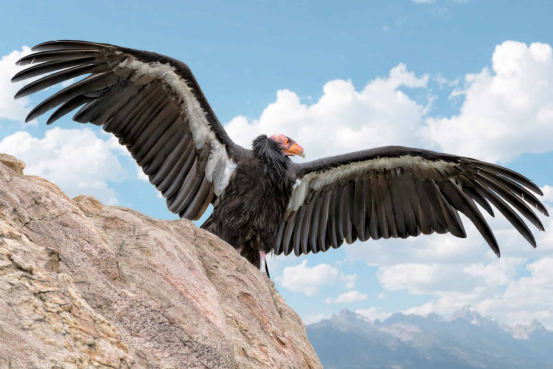
The California Condor, North America’s largest land bird with a wingspan of nearly 10 feet, is a symbol of both near-extinction and remarkable conservation success. Once soaring over vast territories, this majestic scavenger faced a catastrophic decline in the 20th century, culminating in a moment where its survival depended entirely on human intervention.
Historical Decline and Near-Extinction
The population of the California Condor plummeted due to a combination of severe threats. Lead poisoning became the primary cause of death, as condors ingested fragments of lead ammunition from the carcasses of animals left behind by hunters. Additionally, the widespread use of the pesticide DDT caused thinning of their eggshells, leading to reproductive failure. Habitat loss and direct persecution further decimated their numbers. By 1982, the global population had dwindled to a mere 22 individuals, pushing the species to the absolute edge of extinction.
The Bold Captive Breeding Program
In a controversial but ultimately decisive move, conservationists made the difficult decision in 1987 to capture all remaining wild condors to establish a captive breeding program. This effort, led by the San Diego Wild Animal Park and the Los Angeles Zoo, was a high-stakes gamble to save the species. Scientists and zookeepers worked meticulously to understand condor biology, behavior, and reproductive needs. They used innovative techniques, such as using hand puppets that mimicked adult condors to feed chicks, preventing them from imprinting on humans and ensuring they could one day thrive in the wild.
Reintroduction and Ongoing Challenges
The first captive-bred condors were released back into the wild in 1992. Today, thanks to these sustained efforts, the total population has rebounded to over 500 individuals, with more than half living in the wild across California, Arizona, Utah, and Baja California, Mexico. This comeback is a monumental achievement in conservation. However, the fight is far from over. Lead poisoning from spent ammunition remains the single greatest threat to their long-term survival. Conservation groups continue to work on multiple fronts, including advocating for non-lead ammunition, monitoring wild populations, and providing medical intervention for sick birds.

The Northern White Rhino: A Race Against Time
The story of the Northern White Rhino is one of the most poignant and desperate in modern conservation. This subspecies is a stark example of how relentless poaching can eradicate a population, leaving its fate in the hands of advanced science. Once roaming across Central Africa, the Northern White Rhino is now functionally extinct in the wild.
The Devastation of Poaching
The primary driver of the Northern White Rhino’s demise has been the insatiable demand for its horn, which is erroneously believed to have medicinal properties in some cultures. Decades of rampant, militarized poaching wiped out wild populations. Despite conservation efforts, political instability and the high value of rhino horn on the black market created an unstoppable wave of destruction. The last wild populations were eliminated, leaving only a handful of individuals in zoos.
The Last Two: Najin and Fatu
Today, the entire Northern White Rhino subspecies is represented by just two living individuals: a mother and daughter named Najin and Fatu. Both are female and unable to carry a pregnancy to term. They live under 24-hour armed guard at the Ol Pejeta Conservancy in Kenya, protected from the poachers who wiped out their kind. Their existence is a somber reminder of what has been lost and a powerful symbol of the urgent need for conservation.
A Glimmer of Hope Through Science
While natural reproduction is impossible, there is a sliver of hope in cutting-edge reproductive technology. An international consortium of scientists is pioneering a groundbreaking effort to save the subspecies using in-vitro fertilization (IVF). Scientists have successfully harvested eggs from Najin and Fatu and fertilized them using frozen sperm from deceased male Northern White Rhinos, creating viable embryos. The next critical step is to implant these embryos into a surrogate mother, a female from the closely related Southern White Rhino subspecies. This ambitious project represents the last, best hope for preventing the Northern White Rhino from vanishing completely.

African Elephants: The Crisis on the Grasslands
As the largest land animals on Earth, African elephants are “ecosystem engineers,” playing a vital role in shaping their environments. They create waterholes, disperse seeds, and clear paths through dense vegetation, benefiting countless other species. Yet these intelligent, social giants face a dual crisis that threatens their survival across the continent.
The Twin Threats of Poaching and Habitat Loss
The primary threats to African elephants are interconnected and driven by human activity. The first is the persistent scourge of ivory poaching. Despite international bans, the illegal ivory trade continues to fuel the slaughter of tens of thousands of elephants each year. This illegal activity funds criminal networks and destabilizes local communities. The second major threat is habitat loss and fragmentation. As human populations expand, elephant habitats are converted into agricultural land and settlements. This not only shrinks their available living space but also isolates populations and blocks ancient migratory routes, leading to genetic decline.
Human-Elephant Conflict
As elephant habitats shrink, elephants and humans are forced into closer proximity, leading to a rise in human-elephant conflict. Elephants may raid crops for food, destroying a farmer’s entire livelihood in a single night. In response, farmers may retaliate by killing the elephants. This conflict poses a significant challenge for conservationists, who must find solutions that protect both the elephants and the needs of local communities.
Multi-Faceted Conservation Strategies
Protecting African elephants requires a comprehensive approach. Key strategies include:
- Anti-Poaching Patrols: Well-equipped and well-trained rangers are on the front lines, working to deter, detect, and apprehend poachers.
- International Cooperation: Efforts to dismantle trafficking networks and reduce consumer demand for ivory in key markets are crucial to stopping the trade at its source.
- Community-Based Conservation: Involving local communities in conservation efforts is essential. When communities benefit from wildlife through tourism or other enterprises, they become powerful partners in protecting elephants.
- Habitat Protection: Securing and managing protected areas and creating wildlife corridors that allow elephants to move safely between fragmented habitats is critical for their long-term survival.

Polar Bears: Vanishing on the Edge of the Ice Kingdom
The polar bear, the Arctic’s apex predator, is an icon of the frozen north. Its survival is inextricably linked to the presence of sea ice, making it one of the most vulnerable species to global climate change. As the Arctic warms at more than twice the rate of the rest of the world, the polar bear’s icy kingdom is rapidly melting away.
The Critical Role of Sea Ice
Polar bears are highly specialized hunters that rely almost entirely on the sea ice platform to hunt their primary prey: seals. They use the ice to travel long distances, stalk their prey at breathing holes, and rest. For pregnant females, snow dens on stable sea ice or adjacent land are essential for giving birth and nursing their cubs. The seasonal cycle of ice formation and retreat dictates every aspect of a polar bear’s life.
The Impact of a Warming Arctic
Climate change is the single greatest threat to polar bears. Rising global temperatures are causing the Arctic sea ice to melt earlier in the spring and form later in the fall. This extended ice-free period forces bears to spend more time on land, away from their main food source. This leads to several critical problems:
- Nutritional Stress: Longer fasting periods result in weight loss, reduced body condition, and lower reproductive rates.
- Lower Cub Survival: Malnourished mothers struggle to produce enough milk for their cubs, leading to higher mortality rates.
- Increased Human-Wildlife Conflict: Hungry bears are more likely to venture into human communities in search of food, leading to dangerous encounters.
A Global Responsibility
The fate of the polar bear is a direct barometer of the health of our planet. Unlike other species that can be saved through localized anti-poaching or habitat restoration efforts, the survival of the polar bear depends on global action to address the root cause of the problem: greenhouse gas emissions. Reducing our collective carbon footprint is the only way to slow the rate of Arctic warming and preserve the sea ice habitat that polar bears—and the entire Arctic ecosystem—depend on. Their plight is a clear and urgent call for international cooperation on climate action.
Conclusion: A Shared Future and a Call to Action
The stories of the California Condor, Northern White Rhino, African Elephant, and Polar Bear highlight a range of threats, from direct persecution and habitat destruction to the overarching crisis of climate change. Yet, they also showcase the incredible resilience of nature and the power of dedicated human effort. The condor’s recovery demonstrates that even species on the very brink can be brought back through bold, science-based intervention. The rhino’s plight pushes the boundaries of technology, while the challenges facing elephants and polar bears underscore the need for global cooperation and community engagement. Protecting these iconic species is not just about saving animals; it is about preserving the complex, interconnected ecosystems that sustain all life, including our own.
Frequently Asked Questions (FAQ)
- What is the most common threat linking these diverse species?
- While each species faces unique challenges, the most significant common thread is human activity. For rhinos and elephants, it’s direct persecution through poaching and the illegal wildlife trade. For condors, it’s indirect harm through lead poisoning from ammunition. For polar bears, the threat is global climate change driven by human emissions. In every case, human impact is the primary driver of their decline.
- Can technology like IVF truly save a species like the Northern White Rhino?
- Advanced reproductive technology like IVF offers a real, albeit complex and expensive, last-ditch hope. While it cannot restore the wild habitat or eliminate the threat of poaching, it has the potential to create new Northern White Rhino calves. Success would depend on creating a genetically diverse and healthy new population from the existing embryos, which would then require a secure environment for eventual reintroduction. It is a monumental challenge, but it is currently the only viable path forward for the subspecies.
- How did the California Condor population recover from just 22 birds?
- The recovery was achieved through an intensive and carefully managed captive breeding program. By capturing all remaining wild birds, conservationists were able to protect them from threats like lead poisoning and ensure that every egg laid had the best possible chance of survival. Scientists used techniques like “double-clutching” (removing the first egg to encourage the female to lay a second) and puppet-rearing to boost population numbers rapidly before beginning a phased reintroduction back into protected wild habitats.
- Why are polar bears so uniquely vulnerable to climate change?
- Polar bears are highly specialized predators whose entire life cycle is adapted to a sea ice environment. They are not fast enough to catch seals in open water or skilled enough to hunt consistently on land. The sea ice is their platform for hunting, traveling, and, for many, mating and denning. As climate change melts this essential habitat, they lose access to their primary food source, leading directly to starvation and reproductive failure. Their specialization makes them exceptionally vulnerable to this specific environmental change.