Educational note: This site publishes independent educational content for general readers. Articles about ecology, wildlife, conservation, pollution, animal behavior, or environmental risk are informational only and should not be treated as scientific, legal, regulatory, veterinary, medical, emergency, or professional advice. Consult qualified experts, peer-reviewed sources, and official local guidance before making decisions.
The Critical Role of Wetland and Grassland Guardians
The stability of our planet’s ecosystems relies heavily on the specialized behaviors of keystone species. From the marshes where spoonbills forage to the vast African grasslands engineered by elephants, every species plays a non-negotiable role in maintaining biodiversity. When these species face decline, the ripple effects are felt across the entire food web, often leading to irreversible habitat degradation.
Spoonbills as Wetland Indicators
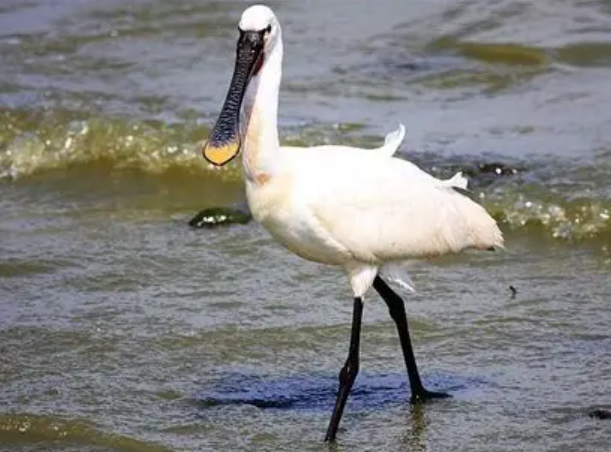
Spoonbills serve as sensitive biological indicators for the health of southern wetlands. Their foraging habits, which involve sweeping their unique bills through shallow waters to detect prey, require pristine water conditions. Monitoring their population density provides conservationists with real-time data on water quality and prey availability.
Conservation Challenges for Amphibians
The decline of salamanders represents a global crisis in habitat conservation. These amphibians are highly susceptible to environmental toxins and climate-induced moisture shifts. Protecting their breeding grounds requires a multi-faceted approach involving the restoration of riparian zones and the strict regulation of agricultural runoff.

Survival Strategies of the Armored Warriors
The nine-banded armadillo is a master of adaptation, utilizing unique physical defenses and reproductive strategies to thrive across North America. Despite their seemingly primitive appearance, their ability to colonize new territories is a testament to their evolutionary resilience.
Adaptation and Expansion
- Reproductive Success: The armadillo’s ability to undergo delayed implantation and produce quadruplets from a single egg allows for rapid population growth.
- Physical Defense: Their leathery carapace provides protection against predators, while their powerful claws facilitate both foraging and burrowing.
These survival mechanisms allow the armadillo to occupy diverse ecological niches, from dense forests to suburban landscapes, making them one of the most successful mammalian colonizers in the Americas.

Elephants as Ecological Engineers
African elephants are recognized as primary ecological engineers. By uprooting trees and creating pathways through dense vegetation, they actively manage the structure of grassland ecosystems, ensuring that resources remain available for a wide variety of smaller species.
The Impact on Biodiversity
Elephants facilitate nutrient cycling by transporting seeds across vast distances. Their presence is a prerequisite for the survival of many savanna-dwelling animals. Without the physical disturbances created by elephants, many grasslands would eventually transition into closed-canopy forests, significantly reducing overall biodiversity.

The Complex Communication of Honeybees
The social structure of the honeybee is anchored by a sophisticated communication system known as the “waggle dance.” This movement-based language allows scouts to convey precise spatial information regarding food sources, water, and nesting sites to the rest of the colony.
Decoding the Waggle Dance
The dance is a marvel of biological engineering. By varying the angle and duration of their movements, bees provide their hive-mates with a map of the environment relative to the sun’s position. This efficiency is critical for colony survival, especially during times of scarce floral resources.
| Communication Type | Purpose | Mechanism |
|---|---|---|
| Waggle Dance | Long-distance foraging | Angle and duration of run |
| Round Dance | Nearby food sources | Circular motion |
Frequently Asked Questions (FAQ)
- Q1: Why are spoonbills considered important for wetland health?
- Spoonbills are highly sensitive to water quality. Their presence indicates a healthy abundance of aquatic prey and stable hydrological conditions, making them vital bio-indicators.
- Q2: How do elephants shape African grasslands?
- Elephants prevent the encroachment of woodlands into grasslands by knocking down trees and clearing vegetation, which keeps the ecosystem open and supports diverse wildlife.
- Q3: What makes the nine-banded armadillo so successful in the US?
- Their success is largely due to their high reproductive rate, specialized armored defense, and ability to adapt to diverse diet sources, allowing them to expand across various climates.
- Q4: How do bees communicate distance to their hive?
- Bees use the duration of the “waggle” portion of their dance to communicate distance—longer wiggles correspond to greater distances from the hive to the target resource.