Educational note: This site publishes independent educational content for general readers. Articles about ecology, wildlife, conservation, pollution, animal behavior, or environmental risk are informational only and should not be treated as scientific, legal, regulatory, veterinary, medical, emergency, or professional advice. Consult qualified experts, peer-reviewed sources, and official local guidance before making decisions.
The Earth’s biodiversity is a tapestry woven from millions of species, each playing a critical role in maintaining ecological balance. However, this intricate web of life is under severe threat. Human activities have accelerated extinction rates to unprecedented levels, pushing many iconic species to the brink. Wildlife conservation is no longer just a niche concern; it is a global imperative for preserving our planet’s health and our own future. This guide explores the multifaceted challenges of modern conservation through the stories of some of the world’s most beloved and endangered animals: big cats, giant pandas, and primates.
By examining their unique struggles and the innovative strategies being employed to save them, we can gain a comprehensive understanding of the threats they face, the solutions that work, and the collective responsibility we share in protecting these magnificent creatures for generations to come. From habitat restoration to anti-poaching initiatives, the journey of conservation is complex but filled with hope.
The Global Crisis of Wildlife Endangerment
The primary drivers of species decline are interconnected and largely human-induced. Understanding these root causes is the first step toward crafting effective solutions. The pressures on wildlife populations are immense, stemming from the expansion of human civilization and the exploitation of natural resources. These threats do not act in isolation; they often compound each other, creating a perfect storm that accelerates the loss of biodiversity.
Habitat Loss and Fragmentation
The single greatest threat to wildlife worldwide is the destruction and fragmentation of natural habitats. As human populations grow, forests are cleared for agriculture, cities expand into wildlands, and infrastructure projects like roads and dams carve up once-continuous ecosystems. This process not only reduces the total area available for animals to live but also isolates their populations. Fragmented habitats prevent animals from finding mates, accessing diverse food sources, and migrating, which in turn leads to genetic bottlenecks and increased vulnerability to disease and environmental changes.
Poaching and Illegal Wildlife Trade
The illegal wildlife trade is a multi-billion dollar industry that poses a direct and violent threat to countless species. Animals like tigers are hunted for their skins and bones, which are used in traditional medicine, while others are captured for the exotic pet trade. This illicit activity is often run by sophisticated criminal networks, making it difficult to combat. Anti-poaching patrols and law enforcement are critical, but so is reducing demand in consumer countries through education and strict legal penalties.
Human-Wildlife Conflict
As human settlements encroach on animal territories, conflicts inevitably arise. Predators like lions and leopards may attack livestock, leading to retaliatory killings by farmers. Elephants may raid crops, destroying a farmer’s livelihood in a single night. Resolving human-wildlife conflict requires a balanced approach that includes building physical barriers, implementing compensation schemes for losses, and promoting coexistence through community education and engagement. The goal is to find solutions that protect both human interests and animal lives.

Case Study: The Majestic and Imperiled World of Big Cats
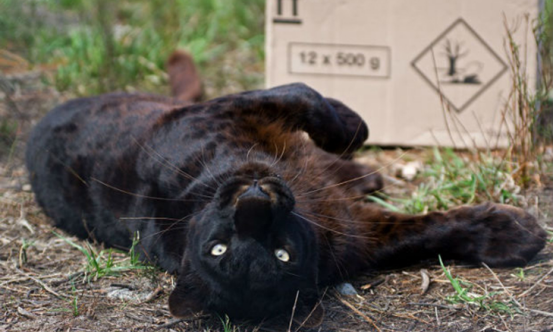
Big cats, the apex predators of their ecosystems, are powerful symbols of the wild. Yet, from the African savanna to the Siberian taiga, their populations are in steep decline. The conservation status of species like tigers, lions, leopards, and cheetahs highlights the urgent need for targeted intervention. Their survival is a barometer for the health of the entire ecosystem they inhabit.
Threats Facing Big Cat Populations
The challenges facing big cats are a direct reflection of the global crisis. Their large territorial requirements make them especially vulnerable to habitat fragmentation. Furthermore, their status as predators often puts them in direct conflict with human communities.
- Loss of Prey Base: Overhunting of prey species like deer and antelope by humans depletes the food source for big cats, forcing them to either starve or venture closer to human settlements in search of livestock.
- Direct Poaching: Tigers are poached for their parts, lions for trophies, and leopards for their beautiful pelts. This illegal hunting directly decimates their numbers.
- Retaliatory Killings: When a big cat attacks livestock, farmers often resort to poison or traps to eliminate the perceived threat, leading to a cycle of violence and decline.
Conservation Strategies in Action
Protecting these magnificent predators requires a multi-pronged approach that addresses both the animals and the people who live alongside them.
| Strategy | Description | Example |
|---|---|---|
| Protected Areas | Establishing and managing national parks and wildlife reserves that provide safe havens where hunting is banned and habitats are preserved. | The creation of tiger reserves in India, which have helped stabilize and increase the national tiger population. |
| Community-Based Conservation | Engaging local communities as partners in conservation by providing them with economic incentives, such as jobs in eco-tourism or sustainable agriculture. | In Namibia, community conservancies have empowered locals to manage wildlife, leading to a significant recovery of lion populations. |
| Anti-Poaching Units | Deploying well-equipped and trained rangers to patrol protected areas, dismantle snares, and apprehend poachers. | Organizations across Africa use advanced technology like drones and GPS tracking to monitor animal movements and predict poaching hotspots. |

Case Study: A Conservation Success Story – The Giant Panda
The giant panda, China’s national treasure, was once the face of endangered species worldwide. For decades, its survival was precarious due to severe habitat loss and a naturally low reproductive rate. However, through decades of intensive and dedicated conservation work, the giant panda has become a powerful symbol of hope, demonstrating that even species on the brink can be brought back.
The Difficult Journey from ‘Endangered’ to ‘Vulnerable’
The primary threat to the giant panda has always been the destruction of its habitat: the temperate bamboo forests of south-central China. Urbanization and agriculture fragmented these forests into isolated patches, making it difficult for pandas to find food and mates. Combined with their slow breeding cycle, this pushed the species toward extinction. The Chinese government, in collaboration with international partners, launched an ambitious conservation plan to reverse this trend.
Key Pillars of Panda Conservation
The recovery of the giant panda population is a testament to a comprehensive, science-based strategy that addressed the core threats from multiple angles.
- Habitat Restoration and Corridors: The cornerstone of the effort was the protection and expansion of bamboo forests. China has established more than 67 panda reserves, protecting over half of their remaining habitat. Crucially, conservationists have been working to create “bamboo corridors”—green pathways that connect isolated forest patches, allowing panda populations to mingle and maintain genetic diversity.
- Captive Breeding Programs: Research centers like the Chengdu Research Base of Giant Panda Breeding have made monumental strides in understanding panda reproduction. Through artificial insemination and expert neonatal care, these centers have successfully bred hundreds of pandas, creating a vital genetic reservoir and a safety net for the wild population. Some captive-bred pandas are now being trained for reintroduction into the wild.
- Community Engagement: Conservation efforts involved working with local communities to find sustainable livelihoods that do not rely on deforestation. This included promoting eco-tourism and providing subsidies for alternative farming practices, turning local people into allies for panda protection.
In 2016, the International Union for Conservation of Nature (IUCN) officially downgraded the giant panda’s status from “Endangered” to “Vulnerable.” While this is a monumental achievement, the work is far from over. Climate change poses a new threat to bamboo forests, and continued vigilance is required to ensure the long-term survival of this iconic species.

Case Study: Protecting Our Closest Relatives – Primate Conservation
Primates, from the tiny golden monkey to the great apes, are our closest living relatives in the animal kingdom. Their intelligence, complex social structures, and ecological importance make their conservation a particularly poignant issue. However, over 60% of primate species are now threatened with extinction, making them one of the most endangered groups of mammals on Earth. Their fate is inextricably linked to the health of the world’s forests and our own actions.
The Unique Vulnerability of Primates
Primates face the same overarching threats of habitat loss and poaching as other wildlife, but their specific biological and social traits can make them even more vulnerable.
- Arboreal Lifestyle: Many primates, like the golden monkey of China, are highly dependent on specific forest environments. Deforestation for logging and agriculture directly eliminates their homes, food sources, and pathways for movement.
- Slow Reproductive Rates: Great apes like gorillas and orangutans have long gestation periods and raise their young for many years, similar to humans. This slow life cycle means that even a small increase in mortality from poaching or disease can cause a population to crash rapidly with little chance of quick recovery.
- Disease Transmission: Because of our close genetic relationship, primates are susceptible to many human diseases. The spread of viruses like Ebola can wipe out entire gorilla populations, and increasing contact with humans and livestock raises the risk of new pandemics.
A Shared Future: Strategies for Primate Protection
Ensuring a future for primates requires protecting vast tracts of forest and fostering a harmonious relationship between primates and human populations.
The Example of the Golden Monkey
The golden monkey, with its striking colors, is found in a small, mountainous region of central China. Its survival is entirely dependent on the temperate forests in this area. Conservation efforts have focused on establishing and expanding nature reserves, such as the Fanjingshan National Nature Reserve. By protecting this critical habitat from logging and agricultural encroachment, conservationists provide a sanctuary for the remaining populations. Monitoring programs track their numbers and health, providing vital data to guide future conservation decisions.
Broader Primate Conservation Efforts
Beyond specific species, primate conservation relies on several key principles:
- Eco-Tourism: Well-managed tourism, such as gorilla trekking in Rwanda and Uganda, provides a powerful economic incentive for local communities and governments to protect primates and their habitats. Revenue from tourism funds anti-poaching patrols and community development projects.
- Law Enforcement: Strengthening laws against poaching and the illegal pet trade, and ensuring those laws are enforced, is critical to reducing the direct hunting of primates.
- One Health Approach: Recognizing the interconnectedness of human, animal, and environmental health is key to preventing disease transmission. This includes vaccination programs for humans and livestock living near primate habitats and strict sanitation protocols for researchers and tourists.

Unified Threats: A Deeper Look at the Root Causes
While the case studies of big cats, pandas, and primates highlight unique challenges, they also reveal a set of common, underlying threats that affect nearly all endangered species. These systemic issues are driven by global economic and social forces, and addressing them is fundamental to any successful, long-term conservation strategy. Without tackling these root causes, species-specific interventions are merely treating the symptoms of a much larger problem.
Agricultural Expansion
The conversion of forests, grasslands, and wetlands into farmland is the leading cause of habitat destruction globally. The demand for commodities like palm oil, soy, and beef drives large-scale deforestation, particularly in biodiversity hotspots like the Amazon, Southeast Asia, and Central Africa. This expansion not only destroys habitats but also pollutes water sources with pesticides and fertilizers, further degrading ecosystems.
Infrastructure Development
The rapid construction of roads, dams, and urban centers fragments landscapes, creating impassable barriers for wildlife. A new highway can cut a tiger’s territory in half, while a dam can alter an entire river ecosystem, affecting countless species. This fragmentation isolates populations, disrupts migration patterns, and increases mortality from vehicle collisions. Sustainable infrastructure planning that includes wildlife corridors and underpasses is essential to mitigate these impacts.
Climate Change
Climate change acts as a “threat multiplier,” exacerbating existing pressures on wildlife. Rising temperatures can alter ecosystems faster than species can adapt. For specialist feeders like the giant panda, climate change threatens to wipe out the specific species of bamboo they rely on. For species in mountainous or polar regions, it means their habitats are literally shrinking. More frequent and intense droughts, floods, and wildfires also directly impact wildlife populations and their food sources.

A Blueprint for Action: Effective Conservation Strategies
Faced with these daunting challenges, the global conservation community has developed a sophisticated toolkit of strategies. The most successful initiatives are holistic, science-based, and collaborative, involving governments, NGOs, local communities, and the private sector. These strategies move beyond simply protecting animals to restoring ecosystems and creating a world where both humans and wildlife can thrive.
Policy and Legal Frameworks
Strong national and international policies are the foundation of conservation. This includes creating and enforcing laws against poaching and wildlife trafficking, such as those under the Convention on International Trade in Endangered Species of Wild Fauna and Flora (CITES). It also involves national-level land-use planning that formally designates protected areas and regulates destructive industries. These legal frameworks provide the authority and resources needed for on-the-ground action.
Scientific Research and Monitoring
Effective conservation is impossible without good data. Scientists use a variety of techniques to monitor wildlife populations and ecosystem health.
- Camera Traps: These motion-activated cameras provide invaluable, non-invasive insights into the population size, distribution, and behavior of elusive species.
- GPS Collars: Tracking devices fitted on animals like lions or pandas allow researchers to understand their movement patterns, territorial needs, and interactions with human landscapes. This data is critical for designing effective wildlife corridors and mitigating conflict.
- Genetic Analysis: DNA collected from hair or scat samples can reveal the genetic diversity of a population, helping to identify isolated groups that are at risk of inbreeding.
Community-Led Conservation
The modern conservation paradigm recognizes that local communities are the most important stewards of their environment. Instead of excluding people from protected areas, community-led models empower them to participate in and benefit from conservation. This can involve training local people as wildlife rangers, sharing revenue from tourism, or supporting the development of sustainable enterprises like beekeeping or craft production. When communities see a direct economic and social benefit from healthy ecosystems, they become powerful advocates for their protection.

The Future of Conservation: Technology and Innovation
As threats to wildlife evolve, so too must our methods for protecting them. Technology and innovation are opening up new frontiers in conservation, offering powerful tools to make protection efforts more efficient, effective, and scalable. From the sky to the lab, cutting-edge science is revolutionizing how we monitor, manage, and defend our planet’s biodiversity.
Satellite and Drone Technology
High-resolution satellite imagery allows conservationists to monitor deforestation and habitat loss in near real-time, enabling rapid responses to illegal logging or agricultural encroachment. Drones, or Unmanned Aerial Vehicles (UAVs), offer an even more detailed view. Equipped with thermal or high-definition cameras, drones are used for:
- Anti-Poaching Surveillance: Drones can patrol vast and remote areas, detecting poachers’ camps or illegal activities from the air, often at night using thermal imaging.
- Wildlife Censuses: They provide a safe and cost-effective way to count animal populations, such as herds of elephants or nesting seabirds, without disturbing them.
- Habitat Mapping: Drones can create detailed 3D maps of terrain, helping to plan reforestation projects or identify potential wildlife corridors.
Artificial Intelligence (AI)
Artificial intelligence is being deployed to analyze the massive amounts of data collected by technologies like camera traps and drones. AI algorithms can be trained to automatically identify different species, or even individual animals, from thousands of images, saving countless hours of manual labor. Predictive AI models, such as SMART (Spatial Monitoring and Reporting Tool), can analyze data on past poaching incidents and animal movements to predict where poachers are likely to strike next, allowing ranger patrols to be deployed more strategically.
Genetic Tools and Bio-banking
Advances in genetics are providing unprecedented tools for conservation. Environmental DNA (eDNA) allows scientists to detect the presence of a species simply by analyzing traces of its DNA in a water or soil sample. This is a powerful, non-invasive method for finding rare or elusive creatures. Furthermore, the establishment of “bio-banks” that cryogenically store genetic material (sperm, eggs, and tissue samples) from endangered species serves as a crucial insurance policy against extinction, preserving genetic diversity for potential future cloning or breeding programs.

Your Role in a Shared Future: How You Can Help
Wildlife conservation is not solely the responsibility of scientists, rangers, and governments. The choices we make every day as individuals and consumers have a collective impact that can either contribute to the problem or become part of the solution. Everyone has a role to play in protecting our planet’s precious biodiversity, and even small actions can create significant positive change.
Make Conscious Consumer Choices
One of the most powerful ways to help is through your purchasing decisions. Be mindful of the products you buy and their connection to habitat destruction and the illegal wildlife trade.
- Avoid Illegal Wildlife Products: Never purchase souvenirs or products made from endangered species, such as ivory, tortoise shell, or reptile skins. Be cautious when traveling and report suspicious items to authorities.
- Choose Sustainable Products: Look for certifications on products like wood, paper, and palm oil. The Forest Stewardship Council (FSC) logo indicates sustainably sourced wood products, while the Roundtable on Sustainable Palm Oil (RSPO) label signifies palm oil produced without contributing to deforestation.
- Reduce Your Carbon Footprint: Climate change affects all ecosystems. Reduce your impact by conserving energy, using public transport, reducing meat consumption, and supporting renewable energy sources.
Support Reputable Conservation Organizations
Many non-profit organizations are on the front lines of conservation, working tirelessly to protect species and their habitats. Supporting them can greatly amplify your impact.
- Donate: Financial contributions, no matter the size, help fund critical activities like anti-poaching patrols, habitat restoration, scientific research, and community outreach programs.
- Volunteer: If you have the time and skills, consider volunteering for a conservation organization, either locally or abroad. This can range from helping at a local wildlife rehabilitation center to participating in a field research project.
Be a Voice for the Voiceless
Education and advocacy are crucial for creating long-term change. The more people who understand the importance of biodiversity, the greater the political and social will to protect it.
- Educate Yourself and Others: Stay informed about conservation issues and share what you learn with your friends, family, and social networks. Raising awareness is a critical first step.
- Advocate for Policy Change: Contact your elected officials and urge them to support strong environmental laws, fund conservation initiatives, and honor international agreements aimed at protecting biodiversity.
- Travel Responsibly: If you visit areas with wildlife, choose eco-tour operators that are committed to conservation and respect for local communities. Your tourist dollars can be a powerful force for good when channeled correctly.
Frequently Asked Questions (FAQ)
- What is the single biggest threat to wildlife today?
- While threats like poaching and climate change are severe, the overwhelming consensus among scientists is that habitat loss and fragmentation is the single biggest driver of extinction and species decline globally. The conversion of natural landscapes for agriculture, urban development, and infrastructure destroys the places where animals live, feed, and breed, making all other survival challenges more difficult.
- Why is protecting “apex predators” like big cats so important for the ecosystem?
- Apex predators play a critical role in maintaining the health and balance of their ecosystems through a process called a “trophic cascade.” By preying on herbivores, they control their populations, which prevents overgrazing of vegetation. This, in turn, protects the habitat for many other smaller species and ensures the stability of the entire food web. The loss of an apex predator can lead to a domino effect of negative consequences throughout the ecosystem.
- Can captive breeding programs alone save a species from extinction?
- No, captive breeding is a vital tool but not a complete solution. Its primary purpose is to act as a safety net to prevent total extinction and maintain genetic diversity. The ultimate goal of conservation is to have healthy, self-sustaining populations in their natural habitats. Therefore, captive breeding programs must be paired with intensive efforts to protect and restore the wild habitats that these animals will eventually need to be reintroduced into.
- How does human-wildlife conflict work, and how can it be solved?
- Human-wildlife conflict occurs when the needs and behaviors of wildlife negatively impact human goals, or vice versa. For example, a leopard preying on a farmer’s goats or an elephant raiding crops. Solutions are complex and must address the needs of both people and animals. Effective strategies include using deterrents (like fences or noise makers), establishing compensation funds for farmers who lose livestock, and creating buffer zones between human settlements and wildlife areas. Engaging communities to develop these solutions locally is key to their success.
- What is the difference between an “endangered” and a “vulnerable” species?
- These are categories on the IUCN Red List of Threatened Species that indicate the level of extinction risk. A species is classified as Endangered (EN) when it faces a very high risk of extinction in the wild. A species is Vulnerable (VU) when it faces a high risk of extinction in the wild. The giant panda’s reclassification from Endangered to Vulnerable was a major conservation success, indicating that its extinction risk had been reduced, but that it still requires significant ongoing protection.