Educational note: This site publishes independent educational content for general readers. Articles about ecology, wildlife, conservation, pollution, animal behavior, or environmental risk are informational only and should not be treated as scientific, legal, regulatory, veterinary, medical, emergency, or professional advice. Consult qualified experts, peer-reviewed sources, and official local guidance before making decisions.
The Ecological Importance of Seagrass Meadows
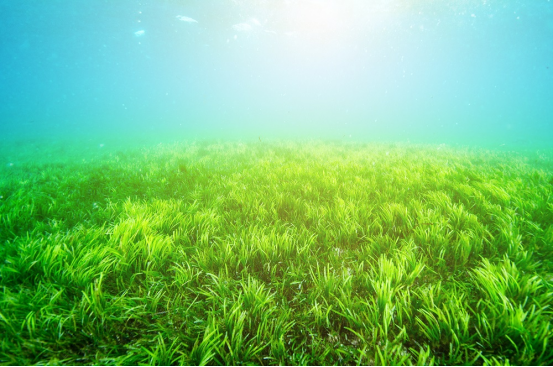
Seagrasses are not merely underwater vegetation; they are foundational ecosystem engineers that provide essential services to both marine life and the global climate. Often overlooked compared to coral reefs or mangroves, these flowering plants form dense, underwater meadows that serve as the lungs and nurseries of the ocean.
Biodiversity and Habitat Provision
Seagrass beds offer a complex three-dimensional structure that provides shelter, breeding grounds, and feeding areas for a vast array of marine species. From small invertebrates to iconic megafauna like sea turtles and dugongs, the biodiversity supported by these grasslands is staggering.
- Nursery Function: Many commercially significant fish species spend their juvenile stages within the safety of seagrass blades, protected from larger predators.
- Nutrient Cycling: Seagrasses trap sediments and filter water, improving clarity and preventing the overgrowth of harmful algae that can smother reefs.

Marine Carbon Sequestration Mechanisms
The role of seagrass in climate change mitigation is increasingly recognized as “Blue Carbon.” Unlike terrestrial forests that store carbon primarily in biomass, seagrasses excel at sequestering carbon within the soil, where it can remain trapped for millennia if undisturbed.
The Power of Blue Carbon
Seagrass meadows sequester carbon at a rate significantly higher than terrestrial forests. By capturing organic matter from the water column and trapping it in the sediment, they act as massive, long-term carbon reservoirs.
| Ecosystem Type | Carbon Sequestration Efficiency | Storage Duration |
|---|---|---|
| Terrestrial Forest | Moderate | Decades to Centuries |
| Seagrass Meadow | Very High | Millennia |

Threats to Underwater Grasslands
Despite their critical importance, seagrass meadows are disappearing at an alarming rate due to anthropogenic pressures. The degradation of these habitats not only results in the loss of biodiversity but also releases massive amounts of stored carbon back into the atmosphere.
Primary Drivers of Decline
Human activities are the primary catalyst for the rapid loss of seagrass coverage worldwide. Understanding these threats is the first step toward implementing effective restoration and protection strategies.
- Coastal Development: Land reclamation and construction along coastlines destroy seagrass habitats directly and increase sedimentation, which blocks sunlight.
- Water Pollution: Agricultural runoff and sewage discharge lead to eutrophication, causing algal blooms that outcompete seagrass for light.
- Climate Change: Rising ocean temperatures and sea-level rise shift the depth ranges suitable for seagrass, often outpacing the plants’ ability to migrate.

Conservation and Restoration Strategies
Protecting existing seagrass meadows is far more cost-effective than attempting to restore damaged ones. However, active restoration initiatives are gaining momentum as a viable tool for climate policy and biodiversity conservation.
Implementing Effective Protection
Successful conservation requires a multi-faceted approach that combines scientific research with community-led management and policy intervention.
Restoration projects often involve transplanting healthy seagrass shoots into degraded areas or improving water quality to allow for natural recolonization. These efforts are essential to maintain the structural integrity of the coastline and ensure the continued provision of ecosystem services.
Frequently Asked Questions (FAQ)
- What is the primary difference between seagrass and seaweed?
- Seagrasses are true flowering plants (angiosperms) with roots, stems, and leaves, while seaweeds are macroalgae that lack true vascular systems and rely on holdfasts rather than root systems.
- Why is seagrass considered a “Blue Carbon” champion?
- Seagrasses are exceptionally efficient at trapping organic carbon in their sediments. Because these environments are typically anaerobic (oxygen-poor), the decomposition process is extremely slow, locking carbon away for thousands of years.
- How does water quality affect seagrass health?
- Seagrasses require high levels of light for photosynthesis. Poor water quality, caused by excessive nutrients or sediment runoff, increases turbidity and promotes algal growth, both of which reduce the light available to the seagrass.
- Can seagrass restoration help mitigate climate change?
- Yes. By restoring and protecting seagrass meadows, we can enhance the ocean’s capacity to absorb CO2. Additionally, these meadows provide natural coastal protection against storm surges and erosion, increasing the resilience of coastal communities.