Educational note: This site publishes independent educational content for general readers. Articles about ecology, wildlife, conservation, pollution, animal behavior, or environmental risk are informational only and should not be treated as scientific, legal, regulatory, veterinary, medical, emergency, or professional advice. Consult qualified experts, peer-reviewed sources, and official local guidance before making decisions.
The Biological Architecture of Mangrove Ecosystems
Mangroves are not merely trees; they are complex, specialized botanical communities that thrive in the harsh, saline intertidal zones of tropical and subtropical regions. Their ability to survive where other plants perish is due to an extraordinary suite of physiological adaptations, most notably their intricate root systems.
Prop Roots and Aerial Structures
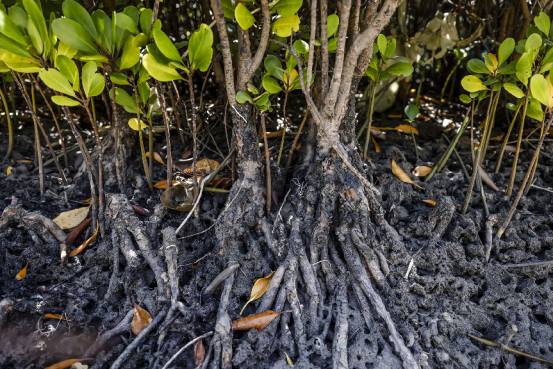
The iconic stilt roots, or prop roots, of the Rhizophora species serve as a structural foundation. These roots perform two critical functions: they provide mechanical stability in soft, anaerobic mud and facilitate gas exchange in oxygen-deprived sediments.
- Pneumatophores: These specialized root extensions grow upward out of the soil to “breathe” atmospheric oxygen during low tide.
- Salt Filtration: Mangroves utilize a high-pressure reverse osmosis system in their roots to exclude salt, while some species secrete excess salt through specialized glands in their leaves.

Mangroves as Natural Storm Surge Barriers
As global sea levels rise and extreme weather events become more frequent, the protective capacity of mangroves has shifted from a local benefit to a global necessity. These forests act as a physical buffer, significantly reducing the energy of incoming waves and storm surges.
The Mechanics of Wave Attenuation
The dense network of tangled roots and trunks creates high friction for moving water. When a storm surge hits a mangrove forest, the water must navigate this “biological wall,” which effectively dissipates wave height and velocity before it reaches inland human settlements.
| Feature | Impact on Storm Surge |
|---|---|
| Root Density | Reduces water velocity by 70-90% |
| Sediment Trapping | Builds vertical elevation to counter sea-level rise |
| Buffer Width | 100 meters of forest can reduce wave height by up to 66% |

Biodiversity and the Mangrove Food Web
Mangroves are often described as the “nurseries of the ocean.” The protected, nutrient-rich waters within the root systems provide a safe haven for juvenile fish, crustaceans, and mollusks to grow before migrating to deeper offshore reefs or the open ocean.
Interconnected Life Cycles
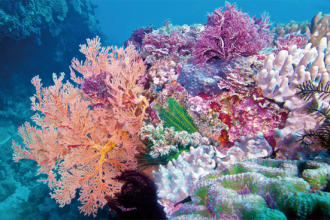
The synergy between mangrove forests and coral reefs is profound. Mangroves filter land-based runoff, ensuring that the water reaching the reefs remains clear and healthy, while the reefs, in turn, protect the mangroves from heavy offshore wave action.
- Detritus-Based Food Chains: Fallen mangrove leaves decompose into nutrient-rich detritus, which serves as the primary food source for a vast array of microorganisms and small invertebrates.
- Avian Sanctuaries: Beyond the waterline, the canopy serves as a critical nesting ground for migratory birds and a refuge for unique coastal wildlife.

Carbon Sequestration and Climate Mitigation
Mangroves are among the most carbon-rich forests on the planet. Through a process known as “blue carbon” sequestration, these ecosystems capture and store massive amounts of carbon dioxide in their biomass and, more significantly, in their deep, waterlogged soils.
The Blue Carbon Advantage
Unlike terrestrial forests, where carbon is released back into the atmosphere through decay or forest fires, the anaerobic (oxygen-poor) environment of mangrove mud locks carbon away for centuries or even millennia. Protecting existing mangrove forests is one of the most cost-effective strategies for mitigating the impacts of anthropogenic climate change.
Frequently Asked Questions (FAQ)
- Q1: How do mangroves survive in saltwater?
- Mangroves use specialized roots that act as a filtration system to block salt, while some species excrete salt through their leaves, allowing them to thrive in saline environments where other plants would dehydrate.
- Q2: Why are mangroves called the “nurseries of the ocean”?
- The complex root systems provide a protected, nutrient-dense environment that shields juvenile marine life from predators, allowing them to grow safely before moving into deeper waters.
- Q3: Can mangroves stop a tsunami?
- While they cannot stop a massive tsunami entirely, studies have shown that healthy, dense mangrove forests significantly reduce the velocity and destructive force of such surges, protecting inland areas from the worst damage.
- Q4: What is “blue carbon”?
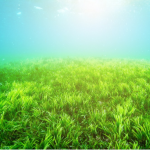
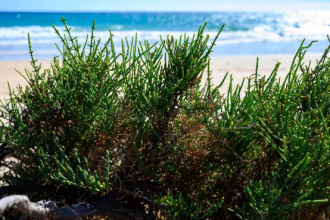
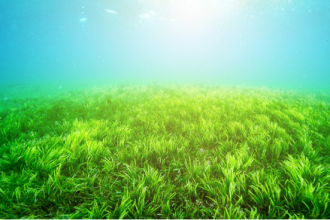
- Blue carbon refers to the carbon captured and stored by the world’s coastal and marine ecosystems, such as mangroves, seagrasses, and salt marshes, which are incredibly efficient at keeping carbon out of the atmosphere.