Educational note: This site publishes independent educational content for general readers. Articles about ecology, wildlife, conservation, pollution, animal behavior, or environmental risk are informational only and should not be treated as scientific, legal, regulatory, veterinary, medical, emergency, or professional advice. Consult qualified experts, peer-reviewed sources, and official local guidance before making decisions.
Sargassum: The Floating Oasis of the Open Ocean
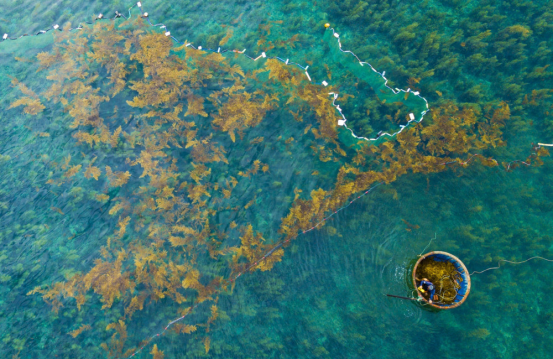
In the vast, nutrient-poor expanses of the open ocean, Sargassum acts as a critical biological anchor. Unlike rooted plants, this genus of brown macroalgae thrives in the pelagic zone, forming massive, drifting mats that function as a complex floating oasis. These structures are not merely collections of vegetation; they are highly specialized ecosystems that sustain a wide array of marine life.
The Role of Sargassum in Planktonic Life
Sargassum mats provide a structural refuge for micro-organisms and plankton, which form the base of the marine food web. By creating a calm, protected environment, these algae allow plankton populations to thrive in otherwise hostile, high-energy open waters.
- Micro-habitat Creation: The complex, branching structure of the algae blades offers surface area for epiphytic growth.
- Nutrient Cycling: As Sargassum matures and decomposes, it releases essential nutrients back into the water column, fueling primary productivity.
- Biodiversity Support: These mats serve as a nursery for juvenile fish and sea turtles, providing both cover from predators and immediate access to planktonic food sources.

Gracilaria: A Tiny Builder of the Marine Ecosystem
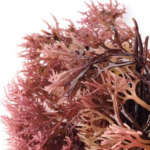
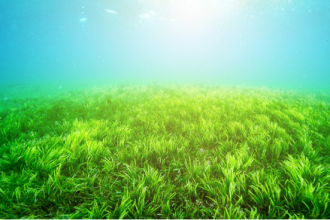
Gracilaria, a genus of red algae, is frequently recognized for its commercial utility in agar production. However, its ecological contribution as a “tiny builder” of marine ecosystems is equally profound. These algae occupy niche roles in coastal and estuarine environments, where their physical presence alters the local hydrodynamic and chemical landscape.
Engineering Coastal Stability
Gracilaria contributes to the structural integrity of the seabed. By dampening wave energy and slowing water flow, it facilitates the deposition of fine sediments, which in turn creates a more stable substrate for other marine species to colonize.
| Function | Ecological Impact |
|---|---|
| Sediment Trapping | Prevents erosion and clarifies water |
| Oxygenation | Photosynthetic activity increases dissolved oxygen |
| Habitat Provision | Provides shelter for macro-invertebrates |

Sargassum Fusiforme: A Secret Weapon Against Soil Erosion
While pelagic Sargassum is famous for its floating mats, species like Sargassum fusiforme play a different, equally vital role in the intertidal and coastal zones. This species is an expert in soil stabilization, acting as a biological barrier against the relentless forces of coastal erosion.
The Mechanism of Coastal Protection
The root-like structures (holdfasts) of Sargassum fusiforme grip rocky substrates and coastal sediments with remarkable tenacity. When growing in dense colonies, these algae act as a physical buffer, absorbing the kinetic energy of tides and storm surges.
Strategic Advantages in Coastal Management
- Root Reinforcement: The intricate holdfast system binds loose sediment, preventing the migration of coastal sands.
- Ecosystem Succession: By stabilizing the ground, S. fusiforme creates a stable foundation for the colonization of more sensitive marine flora.
- Buffer Zone Formation: These colonies mitigate the impact of sea-level rise by maintaining the integrity of the intertidal zone.

Integrated Management of Marine Algae Resources
The conservation and sustainable utilization of marine algae are essential for maintaining the health of our oceans. As we face the challenges of climate change and coastal degradation, understanding the dual roles of these plants—as both commercial resources and ecological engineers—is paramount.
Frequently Asked Questions (FAQ)
- Q1: Why is Sargassum considered a “floating oasis”?
- It is called an oasis because it provides food, shelter, and breeding grounds for a vast array of marine species in the nutrient-scarce open ocean, where such resources are otherwise rare.
- Q2: How does Gracilaria help the marine environment specifically?
- Gracilaria acts as a biological engineer by trapping sediment, which stabilizes the seafloor, and by increasing local oxygen levels through photosynthesis, supporting a healthier biodiversity.
- Q3: Can Sargassum fusiforme really stop soil erosion?
- Yes, its strong holdfasts bind sediments to rocks and the seabed, while its dense growth patterns absorb wave energy, significantly reducing the impact of erosion on coastal zones.
- Q4: Is there a conflict between harvesting algae and protecting the ecosystem?
- There is a delicate balance. Industrial harvesting must be regulated to ensure that the ecological functions—such as habitat provision and erosion control—are not compromised by over-extraction.