Educational note: This site publishes independent educational content for general readers. Articles about ecology, wildlife, conservation, pollution, animal behavior, or environmental risk are informational only and should not be treated as scientific, legal, regulatory, veterinary, medical, emergency, or professional advice. Consult qualified experts, peer-reviewed sources, and official local guidance before making decisions.
The Oxygen We Breathe: Earth’s Blue Lungs
When we think of oxygen production, our minds often wander to lush, green rainforests. However, the marine environment is the true cornerstone of human respiratory survival. The ocean produces over half of the world’s oxygen, acting as the primary lung of the Earth. Understanding this dynamic is crucial to grasping why marine health is directly tied to human existence.
The Science of Marine Photosynthesis
The secret behind the ocean’s oxygen production lies in microscopic organisms known as phytoplankton. Drifting in the sunlit upper layers of the ocean, these tiny powerhouses utilize photosynthesis to convert carbon dioxide and sunlight into energy, releasing massive amounts of oxygen as a byproduct. Without a thriving phytoplankton population, the atmospheric composition of our planet would drastically alter, directly threatening human life.

Climate Regulation and Global Weather Patterns
Beyond providing the air we breathe, the marine environment functions as a colossal climate control system. The ocean absorbs approximately 30 percent of all carbon dioxide emissions produced by human activities. By trapping these greenhouse gases, the ocean acts as a vital buffer against the most severe impacts of global warming.
The Mechanics of Carbon Sequestration
Carbon sequestration in the ocean occurs through two main mechanisms: the physical carbon pump, where cold water dissolves carbon and sinks it to the deep ocean, and the biological carbon pump, driven by marine organisms that consume carbon and eventually carry it to the sea floor upon death. This continuous cycle stabilizes global temperatures and dictates weather patterns, preventing catastrophic climate extremes.
| Carbon Sink Type | Storage Capacity | Primary Mechanism |
|---|---|---|
| The Ocean | Over 38,000 gigatons | Biological and physical carbon pumps |
| Terrestrial Forests | Approx. 2,000 gigatons | Photosynthesis in trees and soil storage |
| Atmosphere | Approx. 750 gigatons | Suspended greenhouse gases |

Economic Powerhouse: Global Trade and Livelihoods
The economic impact of the marine environment is staggering. Coined as the “Blue Economy,” the ocean supports billions of livelihoods worldwide. From coastal tourism and commercial fishing to international shipping, the marine environment is an indispensable pillar of global commerce. A decline in ocean health translates directly to economic instability for communities that rely on marine resources.
Key Sectors of the Blue Economy
Marine transportation facilitates over 80 percent of international trade volume, making the ocean the superhighway of global commerce. Furthermore, the commercial fishing and aquaculture industries provide primary income for over 10 percent of the global population. As we look to the future, sustainable management of these sectors is vital to prevent resource depletion and economic collapse.

Marine Biodiversity as a Source of Medicine and Food
The ocean is a vast reservoir of biological diversity, which profoundly impacts human health and nutrition. Seafood provides a primary source of high-quality protein for over 3 billion people globally. However, the benefits of marine biodiversity extend far beyond the dinner table into the realm of advanced pharmacology and medical research.
Biomedical Breakthroughs from the Deep
Marine organisms possess unique chemical compounds not found in terrestrial life forms. Sponges, tunicates, and marine bacteria have contributed to the development of life-saving medications, including antiviral drugs, cancer treatments, and potent antibiotics. As antibiotic resistance becomes a growing human crisis, the untapped medical potential of the deep sea offers a beacon of hope.
Pro Tips: Actionable Steps to Protect Our Marine Ecosystems
Understanding the impact of the marine environment is only the first step; taking action is where real change occurs. As individuals, our daily choices ripple outward, affecting ocean health on a global scale. Here is expert advice on minimizing your marine footprint.
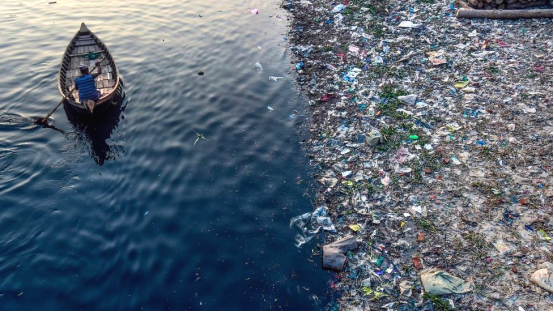
- Reduce Single-Use Plastics: Opt for reusable bags, bottles, and utensils to prevent plastic pollution from choking marine life.
- Choose Sustainable Seafood: Always check certifications like the MSC (Marine Stewardship Council) to ensure your seafood choices do not contribute to overfishing.
- Use Ocean-Safe Sunscreen: Avoid sunscreens containing oxybenzone and octinoxate, chemicals proven to cause coral bleaching and damage reef DNA.
- Lower Your Carbon Footprint: Drive less, conserve energy at home, and support renewable energy initiatives to help reduce ocean acidification.
Frequently Asked Questions (FAQ)
- How does the ocean produce oxygen?
- The ocean produces oxygen primarily through phytoplankton, microscopic marine algae that perform photosynthesis. They absorb carbon dioxide and sunlight to create energy, releasing oxygen into the atmosphere as a byproduct.
- What is ocean acidification and why is it dangerous to humans?
- Ocean acidification occurs when the ocean absorbs excess carbon dioxide from the atmosphere, lowering its pH level. This harms calcifying organisms like shellfish and corals, which disrupts the entire marine food web, ultimately threatening the global seafood supply and human food security.
- Can the ocean really cure human diseases?
- Yes, marine bioprospecting has led to numerous medical breakthroughs. Compounds isolated from marine invertebrates and microorganisms are currently used in treatments for cancer, asthma, and chronic pain, proving that ocean biodiversity is a vital medical resource.
- How does a healthy ocean impact global weather?
- The ocean acts as a massive thermal sponge, absorbing the sun’s heat and distributing it around the globe through ocean currents. This process regulates global temperatures and weather patterns, preventing extreme climate events that could devastate human agriculture and infrastructure.