Educational note: This site publishes independent educational content for general readers. Articles about ecology, wildlife, conservation, pollution, animal behavior, or environmental risk are informational only and should not be treated as scientific, legal, regulatory, veterinary, medical, emergency, or professional advice. Consult qualified experts, peer-reviewed sources, and official local guidance before making decisions.
The Current State of Ocean Pollution: Understanding Your Plastic Footprint
The vast expanse of the world’s oceans has long been viewed as an infinite resource, but the modern era of synthetic materials has introduced a catastrophic vulnerability: plastic pollution. Understanding your personal plastic footprint is the foundational step in addressing this global crisis. A plastic footprint measures the total amount of plastic an individual, organization, or country consumes and discards over a given period. Unlike organic waste, petroleum-based plastics do not biodegrade; instead, they photodegrade, breaking down into microscopic fragments known as microplastics that infiltrate every level of the marine food web.
To truly grasp the magnitude of the issue, we must look at how terrestrial waste transitions into marine debris. Approximately 80% of ocean plastic originates from land-based sources, driven by inadequate waste management systems, illegal dumping, and the sheer overproduction of single-use items. When we evaluate our daily consumption, from the packaging on our groceries to the synthetic fibers in our clothing, we begin to see the direct pipeline between modern convenience and environmental degradation. Recognizing this connection is essential for shifting from a passive consumer to an active participant in ocean conservation.
The Scale of the Marine Plastic Crisis
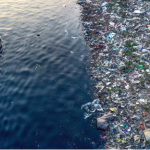
The statistics surrounding ocean plastic are staggering and demand immediate attention. Every year, an estimated 8 to 10 million metric tons of plastic enter the ocean. This constant influx has led to the formation of massive oceanic garbage patches, the most famous being the Great Pacific Garbage Patch, which spans an area three times the size of France. However, the visible debris floating on the surface represents only a fraction of the problem. Environmental scientists estimate that up to 70% of marine debris actually sinks to the ocean floor, smothering coral reefs, disrupting benthic ecosystems, and creating toxic environments for deep-sea marine life.
How Individual Plastic Footprints Accumulate
Individual plastic footprints accumulate through a series of seemingly harmless daily choices. The lifecycle of a single-use plastic bottle, for example, involves extraction of fossil fuels, energy-intensive manufacturing, brief usage, and centuries of environmental persistence. By mapping out our daily routines, we can identify high-impact areas where plastic consumption spikes.
- Dietary Choices and Packaging: Processed foods and takeout meals are predominantly wrapped in non-recyclable multi-layered plastics. The reliance on convenience food drastically inflates an individual’s footprint.
- Personal Care Products: Many conventional cosmetics and toiletries contain hidden plastics, such as microbeads in exfoliants or liquid polymers in shampoos, which wash directly down the drain and into waterways.
- Fast Fashion and Microfibers: Synthetic clothing materials like polyester and nylon shed thousands of microfibers with every wash. These fibers are too small to be caught by standard washing machine filters and ultimately flow into marine ecosystems.
By dissecting these accumulation points, individuals can strategically target their consumption habits, making calculated reductions that, when multiplied by millions of people, result in a massive decrease in global plastic demand.

Everyday Actions: 5 Small Things You Can Do to Save Our Oceans
While systemic change at the corporate and governmental levels is crucial, consumer behavior dictates market trends. You possess immense power to drive this change through everyday actions. Reducing your plastic footprint does not require an overnight transformation into a zero-waste lifestyle; rather, it involves consistent, mindful adjustments to your daily habits. By implementing five specific, actionable strategies, you can drastically cut down your contribution to marine pollution and signal to industries that there is a growing demand for sustainable alternatives.
These small changes are designed to seamlessly integrate into modern life while providing maximum environmental benefit. The philosophy here is simple: refuse what you do not need, substitute with reusable alternatives, and responsibly manage the waste you cannot avoid. Let us explore the five highly effective, small things you can do to protect our oceans.
Rethinking Single-Use Plastics
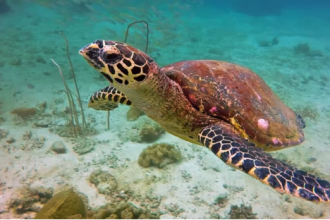
The most immediate and impactful action you can take is to eliminate the “Big Four” single-use plastics: plastic bags, water bottles, disposable coffee cups, and plastic straws. These items are used for mere minutes but persist in the environment for hundreds of years. Transitioning to a reusable stainless steel or glass water bottle alone can save an average of 156 plastic bottles annually per person. Similarly, keeping durable canvas bags in your vehicle or by your front door ensures you are never caught relying on flimsy grocery store plastic bags, which are notorious for entangling marine life like sea turtles and seabirds.
Implementing Sustainable Household Swaps
Beyond the obvious single-use items, your household is filled with opportunities for sustainable upgrades. The kitchen and bathroom are the primary hubs of plastic waste generation. By making deliberate purchasing decisions, you can transform these spaces into eco-friendly zones.
- Switch to Solid Toiletries: Replace liquid shampoos, conditioners, and body washes packaged in heavy plastic bottles with solid bar alternatives. These bars are typically wrapped in compostable paper and last much longer than their liquid counterparts.
- Embrace Bulk Shopping: Purchase dry goods like rice, beans, pasta, and nuts from bulk bins using your own glass jars or cloth bags. This practice completely bypasses the need for conventional plastic packaging.
- Adopt Natural Cleaning Tools: Swap out synthetic sponges and plastic dish brushes for compostable alternatives made from loofah, bamboo, or agave fibers. Synthetic sponges shed microplastics into the water system as they degrade, whereas natural fibers safely decompose.
- Demand Microbead-Free Products: Carefully read the ingredient lists on toothpaste and facial scrubs. Avoid any products containing polyethylene (PE) or polypropylene (PP), which are clear indicators of microplastics.
- Install a Microfiber Filter: Attach a specialized filter to your washing machine’s discharge hose to capture synthetic microfibers before they enter the municipal water treatment system and, subsequently, the ocean.
These five foundational steps—targeting single-use items, swapping toiletries, buying in bulk, using natural cleaning tools, and managing microfibers—form a robust defense against household plastic pollution.

Community Impact: The Transformation of Beach Cleanups
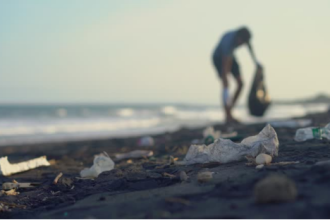
Individual actions are amplified exponentially when communities come together. Beach cleanups have evolved from simple trash-gathering events into powerful, transformative movements that educate the public, gather crucial scientific data, and inspire systemic change. The visual impact of seeing a pristine coastline restored from a state of pollution is deeply psychological, fostering a profound sense of environmental stewardship among volunteers. These events bridge the gap between abstract statistics and tangible reality, showing participants exactly what types of waste are infiltrating their local ecosystems.
Moreover, the modern beach cleanup is highly organized and data-driven. Organizations no longer just throw away the collected trash; they meticulously catalog it. This data is fed into global databases, such as the Ocean Conservancy’s Trash Information and Data for Education and Solutions (TIDES) system. By identifying the most common items found on shores—often cigarette butts, food wrappers, and plastic beverage bottles—environmental groups can lobby for targeted legislation, such as local bans on specific single-use items, holding the top polluting corporations accountable.
Grassroots Movements and Local Engagement
The success of a beach cleanup relies heavily on local engagement and grassroots mobilization. Schools, local businesses, and community organizations often collaborate to sponsor these events, turning environmental action into a civic duty. This collective effort fosters a culture of sustainability that permeates beyond the beach. When a community actively participates in restoring its natural environment, residents become more vigilant about littering and more demanding of proper waste management infrastructure from their local governments.
From Trash to Beauty: Upcycling Marine Debris
One of the most innovative trends emerging from beach cleanups is the concept of upcycling—transforming collected marine debris into items of beauty and utility. This practice not only diverts waste from landfills but also serves as a potent educational tool.
- Eco-Art Installations: Artists around the world are utilizing discarded fishing nets, plastic bottles, and flip-flops washed ashore to create massive, thought-provoking sculptures. These installations visually communicate the scale of the crisis to the public in a way that data cannot.
- Sustainable Fashion and Accessories: Innovative companies are partnering with cleanup organizations to process recovered ocean plastic into high-quality yarns. These materials are then woven into durable running shoes, swimwear, and backpacks, proving that waste can be a valuable resource in a circular economy.
- Functional Home Goods: Shredded and melted ocean plastics are being molded into functional, aesthetically pleasing home goods, such as furniture, plant pots, and tiles. This closed-loop system demonstrates the commercial viability of recycled marine plastics.
The transformation from trash to beauty not only cleans our shores but fundamentally shifts society’s perception of waste, highlighting the urgent need to view plastic not as garbage, but as a misplaced resource.

Global Initiatives: Five Innovative Solutions to Fight Pollution Worldwide
While local cleanups and individual habits are vital, the sheer volume of ocean pollution necessitates massive, technology-driven global interventions. Fortunately, engineers, scientists, and policymakers worldwide are developing groundbreaking solutions to tackle the crisis at a macro level. These initiatives aim to stop plastic from entering the ocean in the first place, while simultaneously extracting the legacy plastics that have already accumulated in oceanic gyres. The integration of advanced technology with international cooperation provides a beacon of hope for the future of our marine ecosystems.
The fight against global pollution is being waged on multiple fronts: in the rivers that act as arteries carrying waste to the sea, in the open ocean where currents trap debris, and in the halls of international governance where policies are drafted. By examining the top five innovative solutions currently deployed worldwide, we can understand the comprehensive architecture required to solve this environmental puzzle.
Advanced Ocean Cleanup Technologies
Technological innovation is at the forefront of macro-level remediation. These systems are designed to operate autonomously, utilizing natural forces or cutting-edge robotics to harvest waste efficiently.
- River Interceptors: Recognizing that rivers are the main conduits for plastic entering the ocean, solar-powered interceptor vessels are being anchored in the world’s most polluted rivers. These autonomous machines use the river’s natural current to funnel floating debris into a collection matrix, extracting tons of trash daily before it ever reaches the sea.
- Open-Ocean Sweeping Systems: Massive U-shaped floating barriers, propelled by ocean currents and wind, are deployed in areas like the Great Pacific Garbage Patch. These systems act as artificial coastlines, concentrating floating plastics so they can be hauled onto support vessels and taken ashore for recycling.
- Bubble Barrier Technology: In urban canals and waterways, perforated tubes laid diagonally across the riverbed pump compressed air to create an upward curtain of bubbles. This barrier blocks underwater plastics and directs them to the surface and toward a collection system on the riverbank, all without impeding boat traffic or harming marine life.
- Satellite Tracking and AI: Advanced satellite imagery, combined with artificial intelligence algorithms, is being used to map and track large accumulations of marine debris from space. This data allows cleanup crews to optimize their routes and deploy resources exactly where they are needed most.
- Drone-Assisted Coastal Sweeps: Aerial drones equipped with multispectral cameras scan coastlines to identify plastic accumulation zones, while aquatic drones, resembling robotic sharks or rays, patrol harbors and marinas, swallowing floating garbage and filtering out microplastics.
Policy Changes and International Agreements
Technology alone cannot solve a problem rooted in overproduction. Global policy initiatives are the necessary counterpart to physical cleanup efforts. The drafting of a legally binding UN Global Plastics Treaty represents a monumental step forward. This treaty aims to regulate the entire lifecycle of plastics, from the extraction of raw petrochemicals to the design of packaging and the management of post-consumer waste. By establishing international standards for extended producer responsibility (EPR), governments are forcing corporations to bear the financial burden of the waste their products generate, thereby incentivizing the shift toward sustainable alternatives.

The Future of Materials: Design, Technology, and Trends in Plastic Alternatives
To permanently solve the ocean plastic crisis, we must turn off the tap. This requires a fundamental redesign of the materials we use daily. The intersection of biotechnology, materials science, and eco-design is yielding a new generation of plastic alternatives that promise the convenience of traditional plastics without the devastating environmental persistence. The future of packaging and manufacturing lies in materials that are inherently circular—designed to be endlessly recycled or to return safely to the earth as nutrients.
This transition is not merely about finding a drop-in replacement for petroleum-based plastics; it is about rethinking the concept of packaging entirely. Innovations are moving away from the “take-make-dispose” linear model towards a system where every material has a planned, sustainable end-of-life scenario. From agricultural byproducts to lab-grown biomaterials, the landscape of manufacturing is undergoing a green revolution.
Bioplastics and Biodegradable Innovations
The development of truly biodegradable and compostable materials is accelerating rapidly. Unlike early “bioplastics” that only degraded in industrial facilities and often left behind microplastics, the new wave of materials is designed to break down naturally in marine environments if they accidentally end up there.
- Seaweed and Algae-Based Packaging: Seaweed is abundant, grows rapidly without freshwater or fertilizers, and naturally captures carbon. Innovators are processing seaweed extracts into edible, water-soluble packaging for liquids, condiment sachets, and clear film wrappers that dissolve harmlessly in the ocean.
- Mushroom Mycelium: The root structure of mushrooms, mycelium, is being grown in molds mixed with agricultural waste (like hemp or corn husks) to create a shock-absorbent material that perfectly replaces expanded polystyrene (Styrofoam) in shipping and packaging. It is 100% home-compostable.
- PHA (Polyhydroxyalkanoates): PHA is a biopolymer produced naturally by bacteria fermenting organic sugars or lipids. It behaves remarkably like conventional plastic but is certified marine-degradable, meaning it will completely biodegrade in the ocean without leaving toxic residues.
Eco-Design and the Circular Economy
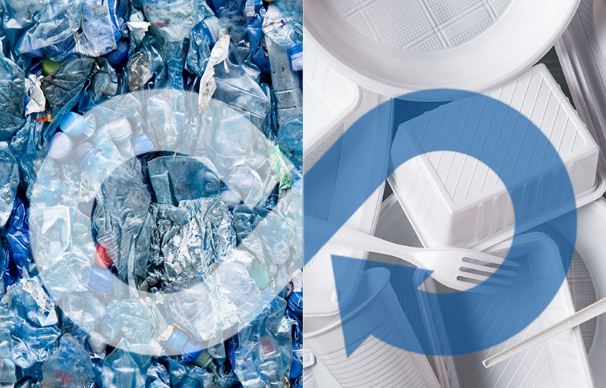
Beyond new materials, eco-design focuses on the architecture of the product itself. The circular economy dictates that products must be designed for longevity, repairability, and ultimate recyclability. This includes transitioning to mono-materials—packaging made from a single type of polymer rather than difficult-to-separate multi-layered films—making the recycling process exponentially more efficient. Furthermore, the rise of reusable packaging models, where consumers return durable containers to be sanitized and refilled, represents a paradigm shift back to the milk-man model of the past, upgraded with modern logistics and tracking technology.
Frequently Asked Questions (FAQ)
- What is the most effective way to reduce my personal plastic footprint?
- The most effective strategy is to eliminate the consumption of single-use plastics—specifically bags, bottles, cups, and straws. By investing in high-quality reusable alternatives and shifting your purchasing habits toward bulk goods and products with minimal or plastic-free packaging, you can reduce your personal plastic waste output by over 50% immediately.
- Are bioplastics completely safe for the ocean?
- Not all bioplastics are created equal. PLA (Polylactic Acid), a common corn-based bioplastic, requires high-heat industrial composting facilities to break down and will persist in the cold ocean environment much like regular plastic. However, newer innovations like PHA and seaweed-based polymers are certified marine-degradable and will safely break down in the ocean without harming marine life.
- How do ocean cleanup technologies prevent harm to marine life?
- Modern cleanup systems are engineered with marine safety as a primary constraint. For instance, open-ocean sweeping barriers move very slowly, allowing fish and marine mammals to easily swim under or away from them. Bubble barriers naturally allow aquatic life to pass through the air curtain unhindered, while only trapping buoyant, inanimate plastic debris.
- Can local beach cleanups really make a global difference?
- Absolutely. While a single cleanup may seem small, the cumulative effect is massive. Beach cleanups remove immediate threats to local wildlife, prevent larger plastics from degrading into impossible-to-clean microplastics, and crucially, they generate the vital data used by scientists and policymakers to enact broad, global legislation against plastic producers.
- What are the newest trends in zero-waste packaging?
- The forefront of zero-waste packaging includes edible wrappers made from kelp, water-soluble films for cleaning products, and mycelium (mushroom) packaging replacing Styrofoam. Additionally, “packaging-free” models are trending, where brands sell concentrated solid tablets (for mouthwash, surface cleaners, or soap) that consumers dissolve in water at home using their own reusable containers.