Educational note: This site publishes independent educational content for general readers. Articles about ecology, wildlife, conservation, pollution, animal behavior, or environmental risk are informational only and should not be treated as scientific, legal, regulatory, veterinary, medical, emergency, or professional advice. Consult qualified experts, peer-reviewed sources, and official local guidance before making decisions.
Understanding the Scope of Marine Pollution
Marine pollution is the introduction of harmful substances or energy into the ocean, resulting in detrimental effects on marine life, ecosystems, and human health. The crisis is not monolithic; it is a complex web of chemical, physical, and acoustic stressors that originate from human activity on land and at sea.
Types of Marine Contaminants
The ocean acts as a global sink for human waste. Understanding the categories of pollution is the first step toward effective remediation.
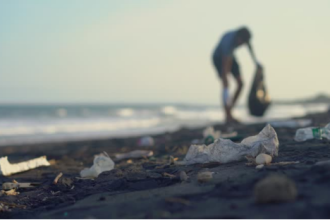
- Plastic Waste: Over 24 billion pounds of plastic enter the oceans annually, breaking down into microplastics that infiltrate the entire food chain.
- Heavy Metals: Industrial runoff, mining, and atmospheric deposition introduce mercury, lead, and cadmium, which bioaccumulate in apex predators.
- Acoustic Pollution: Anthropogenic noise from shipping and drilling disrupts the “underwater symphony,” hindering fish communication and navigation.

The Silent Threat of Chemical and Metal Pollution
Chemical substances and heavy metals represent an invisible but lethal form of pollution. Unlike plastic, which is visually quantifiable, chemical contamination often goes unnoticed until it reaches toxic levels within marine organisms.
Mechanisms of Heavy Metal Toxicity
Heavy metals do not degrade; they persist in the environment and undergo biomagnification. As smaller organisms are consumed by larger ones, the concentration of toxins increases exponentially.
| Contaminant | Primary Source | Impact on Marine Life |
|---|---|---|
| Mercury | Industrial Emissions | Neurological damage in fish |
| Lead | Mining Runoff | Developmental issues in larvae |
| Cadmium | Waste Disposal | Kidney and reproductive failure |
Remediation Strategies
Moving from monitoring to remediation requires a multi-pronged approach, including the implementation of strict industrial discharge limits and the restoration of coastal wetlands that act as natural filters for chemical runoff.

The Plastic Soup: Microplastics and Marine Life
The accumulation of plastics has turned vast swaths of our oceans into a “plastic soup.” Microplastics—particles smaller than 5mm—are now ubiquitous, found from the surface waters of the high seas to the deepest oceanic trenches.
Impact on Marine Biodiversity
Marine life often mistakes plastic for food, leading to physical blockages, internal injury, and starvation. Furthermore, microplastics act as sponges for other toxic chemicals, delivering a concentrated dose of pollutants to any creature that ingests them.

Dead Zones: How Pollution Suffocates the Ocean
Eutrophication, often caused by nutrient-rich runoff from agricultural fertilizers, leads to the creation of “dead zones.” These are hypoxic areas where oxygen levels are too low to support most marine life.
The Cycle of Hypoxia
When excess nitrogen and phosphorus reach the ocean, they trigger massive algal blooms. As these blooms die and decompose, the process consumes nearly all the dissolved oxygen in the water column, forcing mobile species to flee and causing mass mortality among sessile organisms.
Frequently Asked Questions (FAQ)
- Q1: How does noise pollution affect fish life?
- Noise pollution interferes with the acoustic signals fish rely on for mating, hunting, and avoiding predators. This disruption can lead to decreased reproductive success and increased stress levels.
- Q2: Why are microplastics particularly dangerous?
- Microplastics are dangerous because they are easily ingested by organisms at the bottom of the food chain and can accumulate toxins, which then travel up the food web to humans.
- Q3: Can we reverse the effects of heavy metal pollution?
- While some remediation is possible through sediment removal and wetland restoration, the best approach is source control—preventing metals from entering the water in the first place.
- Q4: What is the most effective way to reduce marine plastic?
- The most effective strategy is a combination of reducing single-use plastic production, improving waste management infrastructure, and promoting circular economy practices.