Educational note: This site publishes independent educational content for general readers. Articles about ecology, wildlife, conservation, pollution, animal behavior, or environmental risk are informational only and should not be treated as scientific, legal, regulatory, veterinary, medical, emergency, or professional advice. Consult qualified experts, peer-reviewed sources, and official local guidance before making decisions.
Adaptations in Tropical Rainforests
The tropical rainforest is a realm of intense competition, characterized by high humidity, dense vegetation, and a vertical stratification that dictates survival. Animals here have evolved specialized mechanisms to navigate the canopy, camouflage against predators, and exploit highly specific food sources.
Vertical Stratification and Niche Partitioning
Species in the rainforest do not compete for the same space; instead, they divide the forest into layers. From the emergent layer to the forest floor, each level offers unique resources and threats.
- Arboreal Specialization: Many species, such as primates and sloths, possess prehensile tails or specialized claws to navigate the high canopy, minimizing energy expenditure.
- Cryptic Coloration: Predators and prey alike utilize intricate patterns to blend into the complex light-and-shadow environment of the understory.

Survival Mechanisms in Arid Deserts
In desert ecosystems, the primary challenge is water scarcity and extreme thermal fluctuation. Animals surviving in these environments have developed physiological and behavioral adaptations that allow them to maintain homeostasis despite the lack of accessible water.
Thermal Regulation and Water Conservation
Desert animals often exhibit nocturnal behaviors to avoid the intense heat of the day. Others have evolved specialized anatomical features to dissipate heat or retain moisture.
- Metabolic Water Production: Certain rodents and insects derive nearly all their required hydration from the breakdown of dry seeds and vegetation.
- Cooling Mechanisms: Large ears in species like the Fennec Fox serve as radiators, allowing blood to cool before circulating through the rest of the body.

Life in the Severe Arctic Cold
The Arctic represents one of the most hostile environments on Earth. Survival here requires an intricate balance of insulation, energy storage, and behavioral pacing to endure months of darkness and sub-zero temperatures.
Insulation and Energy Management
Endothermic animals in the Arctic rely on layers of blubber, thick fur, or specialized down feathers to prevent heat loss. Furthermore, metabolic slowing allows many species to survive through the winter months when food availability is drastically reduced.
| Adaptation Type | Mechanism | Example Species |
|---|---|---|
| Physical Insulation | Subcutaneous fat (Blubber) | Polar Bear |
| Behavioral | Huddling/Migration | Emperor Penguin |
| Physiological | Anti-freeze proteins | Arctic Cod |

The Fragile Underground Ecosystems
Cave ecosystems, particularly those housing blind fish, are isolated environments where traditional evolutionary drivers are absent. Without light, these species have evolved to rely on non-visual sensory inputs, making them highly vulnerable to shifts in their subterranean water tables.
The Cost of Specialized Evolution
Blind fish provide a case study in evolutionary trade-offs. By losing the ability to see, they conserve energy that would otherwise be spent on maintaining complex ocular systems in an environment where sight is useless.
Frequently Asked Questions (FAQ)
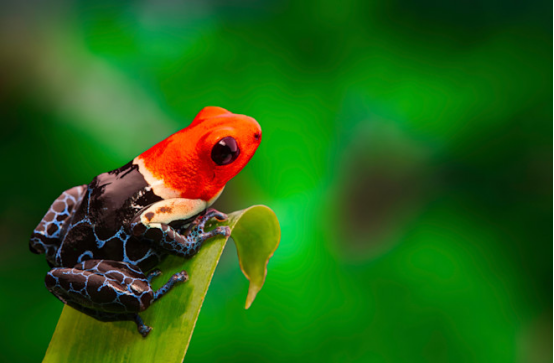
- Q1: Why do rainforest animals often have bright colors?
- Bright colors in rainforest species, known as aposematism, often serve as a warning to predators that the animal is toxic or unpalatable, a necessary defense in a high-predation environment.
- Q2: How do desert animals survive without drinking water?
- Many desert species are adapted to extract moisture from their food, such as cacti or insects, and have highly efficient kidneys that produce concentrated urine to minimize fluid loss.
- Q3: What makes Arctic animals so resilient to the cold?
- Arctic resilience is a combination of morphological traits like thick adipose tissue for insulation and physiological traits like counter-current heat exchange in their limbs.
- Q4: Why are subterranean ecosystems considered so fragile?
- Because species in caves, like blind fish, have evolved in extreme isolation, they lack the genetic diversity to adapt to rapid environmental changes such as water contamination or temperature fluctuations.