Educational note: This site publishes independent educational content for general readers. Articles about ecology, wildlife, conservation, pollution, animal behavior, or environmental risk are informational only and should not be treated as scientific, legal, regulatory, veterinary, medical, emergency, or professional advice. Consult qualified experts, peer-reviewed sources, and official local guidance before making decisions.
The Earth’s oceans represent the planet’s last true frontier, a vast and enigmatic realm that covers over 70% of its surface. Far from being a uniform body of water, the ocean is a complex, three-dimensional environment characterized by dramatic changes in light, temperature, pressure, and biological diversity. From the sun-drenched surface where life thrives in abundance to the crushing, cold darkness of the abyssal plains and the deepest trenches, the marine world supports an astonishing array of ecosystems and geological wonders. Understanding these intricate systems, from the fundamental principles of ocean stratification to the profound mysteries of the deep sea and the epic journeys of its largest inhabitants, is crucial for appreciating the ocean’s vital role in global ecology and climate, as well as for informing critical conservation efforts.
Understanding Ocean Stratification: Life Zones from Surface to Abyss
Ocean stratification refers to the layering of water masses based on differences in density, which are primarily driven by variations in temperature and salinity. This stratification creates distinct vertical zones, each with unique environmental conditions that dictate the types of life forms able to survive there. These layers are not merely arbitrary divisions but represent fundamental ecological boundaries that shape marine biodiversity and ecosystem function across the entire water column.
The Epipelagic Zone (Sunlight Zone)
The Epipelagic Zone, extending from the surface down to approximately 200 meters (650 feet), is the ocean’s most vibrant and productive layer. It is characterized by abundant sunlight penetration, which allows for photosynthesis to occur. This process, carried out by phytoplankton, forms the base of the vast majority of marine food webs, making this zone critical for global biological productivity.
- Light Availability: Receives sufficient sunlight for photosynthesis, driving primary production.
- Temperature: Generally warmer and more variable due to surface heating and mixing.
- Biodiversity: Hosts a vast array of life, including microscopic phytoplankton and zooplankton, fish (tuna, sharks, mackerel), marine mammals (dolphins, seals), and sea turtles.
- Ecological Significance: The primary site for oxygen production and carbon sequestration, directly impacting atmospheric composition.
The Mesopelagic Zone (Twilight Zone)
Below the epipelagic lies the Mesopelagic Zone, or the Twilight Zone, reaching from 200 meters to about 1,000 meters (3,300 feet). Here, sunlight diminishes rapidly, appearing as a faint blue glow before fading into complete darkness. This zone is often defined by the presence of the main thermocline, a layer where temperature decreases sharply with depth, creating a significant density barrier.
- Light Penetration: Limited sunlight, insufficient for photosynthesis, leading to reliance on detritus from above.
- Bioluminescence: Many organisms here produce their own light, used for communication, hunting, and evading predators.
- Adaptations: Organisms often have large, sensitive eyes to detect faint light, or small, light-producing organs (photophores). Many undergo diel vertical migration, ascending to the epipelagic zone at night to feed and descending to the mesopelagic during the day to avoid predators.
- Examples of Life: Anglerfish, hatchetfish, various species of squid, and some deep-diving whales like sperm whales that hunt in this zone.
The Bathypelagic Zone (Midnight Zone)
The Bathypelagic Zone, also known as the Midnight Zone, extends from 1,000 meters to 4,000 meters (13,100 feet). This realm is characterized by perpetual darkness, immense pressure, and consistently cold temperatures, typically around 2-4°C (35-39°F). Food is extremely scarce, primarily consisting of marine snow (falling detritus) from the upper layers.
- Complete Darkness: No sunlight penetrates this depth, making bioluminescence a primary form of light.
- Extreme Pressure: Organisms are adapted to withstand pressures thousands of times greater than at the surface.
- Nutrient Scarcity: Life relies on organic matter drifting down from above or specialized adaptations like chemosynthesis near vents.
- Adaptations: Slow metabolism, reduced bone density, large mouths, and expandable stomachs for rare feeding opportunities.
- Examples of Life: Vampire squid, gulper eels, giant squid, and various species of deep-sea anglerfish.
The Abyssalpelagic & Hadalpelagic Zones (Abyssal & Hadal Zones)
The deepest parts of the ocean are the Abyssalpelagic Zone (4,000 to 6,000 meters or 19,700 feet) and the Hadalpelagic Zone (below 6,000 meters, primarily found in ocean trenches). These zones represent the most extreme environments on Earth, with crushing pressures, near-freezing temperatures, and absolute darkness. Life here is sparse but incredibly specialized, showcasing remarkable resilience and unique evolutionary pathways.
- Abyssal Plains: Vast, flat expanses of the deep ocean floor, characterized by fine sediments and extremely slow currents.
- Hadal Trenches: Deep, narrow canyons formed by tectonic plate subduction, representing the deepest points on Earth. The Mariana Trench’s Challenger Deep is the most famous example.
- Chemosynthetic Communities: While most deep-sea life relies on surface detritus, unique ecosystems thrive around hydrothermal vents and cold seeps, deriving energy from chemical reactions rather than sunlight.
- Extremophiles: Organisms in these zones are often extremophiles, adapted to thrive under conditions that would be lethal to most other life forms.

Mysteries of the Deep Sea: Trenches, Mountains, and Hydrothermal Vents
Beyond the stratified layers of the open ocean, the seafloor itself holds a topography as complex and dramatic as any continent, yet largely unseen and unexplored. These geological features, from the planet’s deepest canyons to towering underwater mountain ranges and volcanic vents, are not merely inert structures but dynamic environments that profoundly influence ocean currents, nutrient distribution, and the evolution of unique ecosystems. The deep sea remains one of the least understood environments on Earth, continually revealing new species and geological processes that challenge our understanding of life and planetary science.
Ocean Trenches: Earth’s Deepest Scars
Oceanic trenches are the deepest parts of the ocean, typically V-shaped depressions that can plunge more than 11,000 meters (36,000 feet) below the surface. They are primarily formed at subduction zones, where one tectonic plate slides beneath another. These geological features are characterized by extreme pressure, near-freezing temperatures, and perpetual darkness, making them some of the most challenging habitats on Earth.
- Formation: Result from convergent plate boundaries where oceanic crust is forced downwards into the Earth’s mantle.
- Notable Trenches: The Mariana Trench in the western Pacific, home to the Challenger Deep (approximately 10,984 meters), is the deepest known point. Other significant trenches include the Tonga Trench and the Peru-Chile Trench.
- Research Challenges: Exploring trenches requires highly specialized submersibles and ROVs capable of withstanding immense pressure, making direct observation difficult and costly.
- Unique Life Forms: Despite the harsh conditions, trenches harbor unique species of amphipods, snailfish, and microbes adapted to the abyssal and hadal environments, often displaying gigantism or other extreme adaptations.
Undersea Mountains and Seamounts
The ocean floor is dotted with countless mountains and vast mountain ranges, many of which rival or exceed their terrestrial counterparts in scale. Undersea mountains, or seamounts, are typically extinct volcanoes that rise steeply from the seafloor but do not break the surface. They are often formed by volcanic activity at hotspots or along mid-ocean ridges. These underwater peaks are far from barren; they are biodiversity hotspots, acting as oases in the deep ocean.
- Formation: Primarily volcanic in origin, formed by magma rising from the Earth’s mantle.
- Ecological Importance: Seamounts disrupt deep-sea currents, leading to upwelling of nutrient-rich waters. This supports diverse communities of corals, sponges, fish, and other invertebrates, often endemic to specific seamounts. They serve as important feeding, breeding, and resting grounds for migratory species.
- Examples: The Emperor Seamount Chain in the Pacific and the numerous seamounts along the Mid-Atlantic Ridge.
- Conservation Concerns: Due to their rich biodiversity, seamounts are vulnerable to deep-sea trawling and mineral extraction, necessitating robust conservation strategies.
Hydrothermal Vents: Oases of Chemosynthesis
Perhaps one of the most astonishing discoveries of the 20th century was the existence of hydrothermal vents, geological features on the seafloor where superheated, mineral-rich water erupts from the Earth’s crust. These vents, often found along mid-ocean ridges and active volcanic zones, support entire ecosystems that thrive in the absence of sunlight, relying instead on a process called chemosynthesis.
- Discovery: First discovered in 1977 at the Galapagos Rift, revolutionizing our understanding of deep-sea biology.
- Geological Process: Seawater seeps into cracks in the oceanic crust, is heated by magma, reacts with rocks, and then spews out as hot, mineral-laden fluid (often appearing as “black smokers” due to sulfide precipitates).
- Chemosynthetic Ecosystems: Specialized bacteria and archaea convert chemicals like hydrogen sulfide into organic matter, forming the base of a unique food web.
- Unique Life Forms: These ecosystems support an extraordinary array of life, including giant tube worms (some over 2 meters long), unique species of crabs, mussels, clams, and shrimp, many of which have symbiotic relationships with chemosynthetic microbes.
- Significance: Hydrothermal vents offer insights into the potential for life in extreme environments on Earth and potentially other planets, and are considered analogues for understanding the origins of life on Earth.

Following the Ocean’s Giants: A Global Whale Migration Map Revealed
Among the most awe-inspiring phenomena in the marine world are the epic migrations of whales, the ocean’s largest inhabitants. These colossal journeys, often spanning thousands of kilometers across entire ocean basins, are fundamental to the life cycles of many baleen and toothed whale species. Driven by primal instincts related to feeding, breeding, and protection, these migrations connect distant marine ecosystems and play a crucial role in nutrient cycling and energy transfer throughout the global ocean. Understanding these complex patterns requires extensive research and advanced tracking technologies.
The Science of Whale Migration
Whale migration is a remarkable feat of endurance and navigation, honed over millions of years of evolution. The primary drivers for these long-distance movements are seasonal changes in food availability and the need for safe breeding and calving grounds. Typically, whales travel from cold, nutrient-rich feeding grounds at high latitudes to warmer, shallower waters in tropical or subtropical regions for breeding.
- Why Migrate:
- Feeding Grounds: High-latitude polar waters (Arctic and Antarctic) are rich in krill and small fish due to seasonal upwellings and long daylight hours, providing abundant food for whales to build up blubber reserves.
- Breeding Grounds: Warmer, calmer low-latitude waters offer protection from predators for newborn calves and are energetically less demanding for mothers during gestation and nursing.
- Navigation Methods: Whales employ a sophisticated suite of navigational cues:
- Earth’s Magnetic Field: Believed to use magnetoreception to orient themselves.
- Sun and Stars: Celestial cues, especially the sun’s position.
- Ocean Currents and Temperature Gradients: Following predictable currents and water temperature changes.
- Acoustic Cues: Using their highly developed sense of hearing to navigate and communicate over vast distances.
- Energy Demands: Migrations are incredibly energy-intensive. Whales rely on their blubber reserves accumulated during feeding seasons to sustain them through periods of fasting in breeding grounds.
Key Whale Species and Their Epic Journeys
Different whale species exhibit distinct migratory patterns, each adapted to their specific ecological niches and reproductive strategies. These migrations often define the global distribution and population dynamics of these majestic creatures.
- Humpback Whales (Megaptera novaeangliae): Renowned for their acrobatic breaches and complex songs, humpbacks undertake some of the longest migrations. They feed in cold polar waters during summer and migrate to warm tropical and subtropical waters (e.g., Hawaii, Caribbean, Gulf of Mexico) for breeding and calving in winter. Their journeys can cover over 8,000 kilometers annually.
- Gray Whales (Eschrichtius robustus): Famous for having the longest known migration of any mammal, some individual gray whales travel up to 20,000 kilometers round trip each year. They feed in the Arctic Bering and Chukchi Seas and migrate south along the North American coast to the lagoons of Baja California, Mexico, for breeding and calving.
- Blue Whales (Balaenoptera musculus): The largest animal on Earth, blue whales undertake extensive migrations between polar feeding grounds (rich in krill) and warmer breeding areas. Their movements are less precisely mapped than humpbacks, but involve vast distances across all major oceans, following seasonal krill blooms.
- Sperm Whales (Physeter macrocephalus): Unlike baleen whales, sperm whales are deep-diving predators that hunt giant squid. While females and juveniles tend to stay in warmer, lower latitudes year-round, mature males often undertake longer migrations to colder, higher latitudes to feed, sometimes venturing into polar waters. Their social structure and deep-diving habits make their migration patterns more complex and harder to track comprehensively.
Threats to Migratory Whales and Conservation Efforts
Despite their immense size and incredible adaptations, migratory whales face numerous threats from human activities and environmental changes. These threats can severely impact their populations and disrupt their vital life cycles, underscoring the urgency of international conservation efforts.
- Major Threats:
- Ship Strikes: Collisions with large vessels are a significant cause of injury and mortality, especially in busy shipping lanes that intersect migration routes.
- Entanglement: Whales can become entangled in fishing gear (nets, lines, traps), leading to injury, starvation, or drowning.
- Ocean Noise Pollution: Underwater noise from shipping, seismic surveys, and military sonar can interfere with whale communication, navigation, feeding, and breeding, potentially causing strandings.
- Climate Change: Changes in ocean temperature and currents can alter the distribution and abundance of prey species (like krill), impacting whale feeding success and potentially disrupting migration timing.
- Chemical Pollution: Accumulation of toxins in their blubber can impair reproduction and immune function.
- Conservation Efforts:
- International Whaling Commission (IWC): Established to regulate whaling and now plays a key role in whale conservation, implementing moratoria on commercial whaling and establishing whale sanctuaries.
- Marine Protected Areas (MPAs): Designating specific areas along migration routes or in critical feeding/breeding grounds helps protect whales and their habitats.
- Research and Tracking: Satellite tagging, photo-identification, and acoustic monitoring provide crucial data on whale movements, population health, and threats, informing conservation strategies.
- Policy and Regulation: Implementing regulations for ship speed in critical areas, developing quieter propulsion technologies, and promoting whale-safe fishing practices.
- Public Awareness: Education campaigns and responsible whale-watching tourism help foster appreciation and support for whale conservation.

Interconnectedness and Conservation: Protecting Our Marine World
The intricate systems of ocean stratification, the enigmatic features of the deep sea, and the majestic migrations of whales are not isolated phenomena but deeply interconnected components of a single, vast global ocean. Changes in one part of this system can have profound ripple effects throughout. Recognizing this profound interconnectedness is paramount for understanding the ocean’s role in sustaining life on Earth and for developing effective strategies to protect its delicate balance against increasing anthropogenic pressures.
The Ocean as a Single System
The ocean’s layers, its geological structures, and the movements of its inhabitants are all part of a dynamic, self-regulating system. Deep-sea trenches and seamounts influence ocean currents, which in turn affect the distribution of nutrients and marine life across different stratified zones. Whale migrations, for example, are not just about individual survival but act as biological pumps, transporting nutrients and energy across vast distances and vertical gradients, influencing nutrient cycling from the surface to the abyss. The ocean also plays a critical role in regulating global climate by absorbing vast amounts of heat and carbon dioxide.
- Nutrient Cycling: Vertical mixing and biological processes, including whale movements, distribute essential nutrients throughout the water column, supporting diverse ecosystems.
- Carbon Sequestration: The ocean acts as a massive carbon sink, absorbing CO2 from the atmosphere. Biological pumps (phytoplankton, marine snow, deep-sea deposition) are crucial for long-term carbon storage.
- Climate Regulation: Ocean currents distribute heat globally, moderating temperatures and influencing weather patterns.
Current Challenges Facing Marine Ecosystems
Despite its resilience, the ocean is facing unprecedented challenges driven by human activities. These threats are global in scope and impact all aspects of marine life, from the smallest plankton to the largest whales, and from coastal habitats to the deepest trenches.
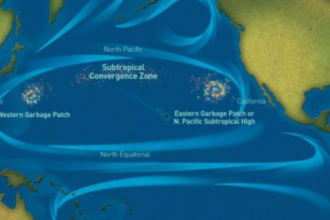
- Plastic Pollution: Billions of tons of plastic enter the ocean annually, forming vast gyres, entangling marine life, and breaking down into microplastics that enter the food chain, affecting all stratified zones.
- Overfishing: Unsustainable fishing practices deplete fish stocks, disrupt food webs, and can damage sensitive deep-sea habitats like coral reefs on seamounts.
- Habitat Destruction: Coastal development, bottom trawling, and deep-sea mining activities destroy critical habitats for marine species.
- Ocean Acidification: Increased absorption of atmospheric CO2 leads to a decrease in ocean pH, threatening calcifying organisms like corals and shellfish, particularly impacting the base of the food web.
- Climate Change: Rising ocean temperatures, sea-level rise, and altered current patterns impact marine species distribution, breeding cycles, and the frequency of extreme weather events.
Future of Ocean Exploration and Conservation
The future of our oceans depends on a concerted global effort combining advanced scientific exploration with robust conservation policies and public engagement. Continued investment in research and technology is essential to unlock the remaining mysteries of the deep sea and to monitor the health of marine ecosystems.
- Technological Advancements:
- ROVs (Remotely Operated Vehicles) and AUVs (Autonomous Underwater Vehicles): Revolutionizing deep-sea exploration, allowing access to extreme environments without human risk.
- Satellite Monitoring: Tracking marine mammal migrations, ocean temperatures, and pollution patterns on a global scale.
- Genomic and Environmental DNA (eDNA) Analysis: Providing new insights into biodiversity and ecosystem health.
- Policy and International Cooperation:
- Strengthening Marine Protected Areas: Expanding and effectively managing MPAs to safeguard critical habitats and migratory corridors.
- International Agreements: Developing and enforcing treaties to combat illegal fishing, regulate deep-sea mining, and reduce plastic pollution.
- Sustainable Resource Management: Implementing ecosystem-based approaches to fisheries management and promoting sustainable aquaculture.
- Public Awareness and Engagement:
- Education Initiatives: Raising global awareness about the ocean’s importance and the threats it faces.
- Citizen Science: Engaging the public in data collection and monitoring efforts.
- Responsible Tourism: Promoting eco-tourism practices that support conservation and minimize disturbance to marine life.
The ocean is a dynamic, living entity that continues to surprise and inspire. From the sunlit surface to the deepest, darkest trenches, and across the vast migratory paths of its colossal inhabitants, it is a realm of unparalleled beauty, complexity, and ecological significance. By deepening our understanding of its stratified zones, geological wonders, and the incredible journeys of its creatures, and by committing to rigorous conservation, we can ensure the health and vitality of this indispensable global resource for generations to come.
Frequently Asked Questions (FAQ)
- Q1: What defines the different ocean stratification zones, and why are they important?
- Ocean stratification zones (Epipelagic, Mesopelagic, Bathypelagic, Abyssalpelagic, Hadalpelagic) are defined by varying levels of sunlight, temperature, and pressure, which create distinct density layers. These zones are crucial because they dictate the types of marine life that can survive in each layer, influencing biodiversity, food webs, and nutrient cycling throughout the entire ocean column. The Epipelagic, for instance, is vital for photosynthesis, while deeper zones host unique extremophiles.
- Q2: How do deep-sea trenches form, and what kind of life can be found there?
- Deep-sea trenches form primarily at subduction zones, where one tectonic plate slides beneath another, creating deep, V-shaped depressions in the ocean floor. Characterized by immense pressure, extreme cold, and perpetual darkness, these environments host highly specialized extremophiles. Life forms include unique species of amphipods, snailfish, and microbes, often displaying adaptations like gigantism or reduced metabolic rates to cope with the harsh conditions.
- Q3: Why do whales migrate such long distances, and how do they navigate?
- Whales migrate long distances primarily for seasonal feeding and breeding. They typically travel from cold, food-rich high-latitude