Educational note: This site publishes independent educational content for general readers. Articles about ecology, wildlife, conservation, pollution, animal behavior, or environmental risk are informational only and should not be treated as scientific, legal, regulatory, veterinary, medical, emergency, or professional advice. Consult qualified experts, peer-reviewed sources, and official local guidance before making decisions.
In the intricate web of life, certain species stand at the pinnacle of the food chain, wielding an influence that extends far beyond their immediate prey. These are the apex predators, animals with no natural predators of their own once they reach adulthood. From the dense jungles and vast savannas to the rugged mountains and open skies, these creatures are not merely hunters; they are ecological engineers, shaping the very landscapes they inhabit. Understanding their roles, strategies, and the profound impact they have on biodiversity is crucial to appreciating the delicate balance of our planet’s ecosystems. This guide delves into the world of some of the most iconic apex predators—including lions, wolves, mountain lions, leopards, and bald eagles—to reveal the biological secrets and ecological importance that define their reign.
The Critical Role of Apex Predators in Ecosystem Health
Apex predators are far more than just dominant hunters; they are often keystone species, meaning their presence has a disproportionately large effect on their natural environment relative to their abundance. The removal of a keystone predator can trigger a cascade of negative effects throughout an ecosystem, fundamentally altering its structure and function. Their primary role is to regulate the populations of herbivore species, which in turn impacts vegetation and the health of the entire habitat.
Trophic Cascades: The Wolf’s Ripple Effect
Perhaps the most famous example of an apex predator’s impact is the reintroduction of the gray wolf to Yellowstone National Park. In their absence, the elk population exploded, leading to severe overgrazing of willow and aspen trees, particularly along riverbanks. This habitat degradation affected countless other species. The return of wolves initiated a remarkable trophic cascade:
- Elk Population Control: Wolves preyed on elk, reducing their numbers and, just as importantly, changing their behavior. Elk began to avoid open valleys and riverbeds where they were more vulnerable.
- Vegetation Recovery: With less grazing pressure, willow and aspen groves began to flourish. This stabilized riverbanks, reducing erosion.
- Return of Other Species: The recovering vegetation provided food and habitat for beavers, which built dams that created new aquatic environments for otters, muskrats, fish, and amphibians. The wolf kills also provided a vital food source for scavengers like bears, eagles, and coyotes.
This single example powerfully illustrates how a top predator can influence everything from plant life and river geomorphology to the biodiversity of an entire ecosystem.
Guardians of the Grasslands: The Lion’s Domain
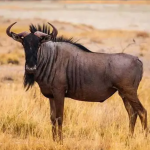
On the African savanna, lions play a similar role. By preying on large herbivores like wildebeest, zebra, and buffalo, they prevent overgrazing that would otherwise turn grasslands into barren landscapes. This regulation ensures that there is enough vegetation to support a wide variety of smaller herbivores, insects, and birds. Lions also influence the behavior of their prey, forcing herds to remain constantly vigilant and on the move, which prevents any single area from being decimated by grazing.

Masters of the Hunt: A Comparative Look at Predatory Strategies
The success of apex predators is built on a remarkable diversity of hunting strategies, each finely tuned to their environment and prey. These methods range from solitary, stealth-based attacks to highly coordinated group efforts, showcasing incredible adaptability and intelligence.
The Art of Ambush: Leopards, Jaguars, and Mountain Lions
Many of the world’s great cats are masters of the solitary ambush. The mountain lion, or “ghost cat” of the Americas, is a prime example. It uses its powerful hind legs to launch explosive attacks, capable of running at 50 mph in short bursts to close the distance to prey like deer and elk. Its success relies on getting incredibly close without being detected. Similarly, leopards and jaguars utilize their stunning camouflage to become nearly invisible. A leopard’s spots and a jaguar’s rosettes allow them to melt into the dappled light of forests and savannas. They are patient stalkers, often waiting for hours for the perfect moment to strike with a fatal pounce.
The Power of Teamwork: Lions and Gray Wolves
In contrast to their solitary cousins, lions and gray wolves demonstrate the immense power of social cooperation. Lions, particularly the lionesses within a pride, engage in complex, coordinated hunts. They use flanking maneuvers to encircle and confuse large, powerful prey, with each individual playing a specific role to ensure a successful takedown. This teamwork allows them to hunt animals much larger than any single lion could handle alone. Gray wolves are masters of endurance. Hunting in packs, they can pursue prey like moose or caribou for miles, working together to test for weakness and separate an individual from its herd before moving in for the kill.
Aerial Supremacy: The Bald Eagle’s Prowess
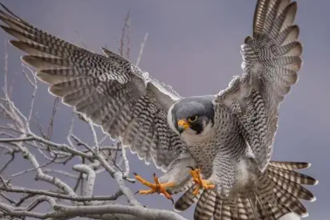
The bald eagle reigns supreme in the skies. It is not a terrestrial hunter but an avian apex predator with a completely different set of tools and strategies. Its primary weapon is its phenomenal eyesight, which is estimated to be four to eight times stronger than that of the average human. From high altitudes, it can spot fish swimming near the water’s surface. Once prey is identified, the eagle executes a powerful dive, reaching speeds of up to 100 mph, and snatches the fish with its sharp, locking talons.

Incredible Biological Adaptations for Predation
Every apex predator is a marvel of evolutionary engineering, equipped with a suite of physical and sensory adaptations that make them perfectly suited for their role at the top of the food chain. These adaptations are the keys to their survival and dominance.
Camouflage and Concealment
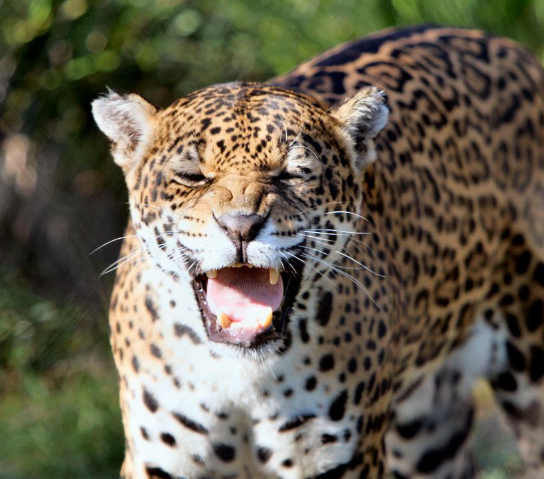
The coat patterns of big cats are a masterclass in natural camouflage. While often used interchangeably, the patterns of leopards and jaguars are distinct. Leopards have simple spots, which are ideal for breaking up their outline in the varied light of African and Asian woodlands. Jaguars, found in the denser, darker jungles of the Americas, have larger, more complex “rosettes”—spots with a dot inside them—which provide superior concealment in the shadowy undergrowth. The tawny coat of a mountain lion, meanwhile, allows it to blend seamlessly into the rocky, arid landscapes of its habitat.
Superior Sensory Systems
Apex predators possess senses that are far beyond human capabilities. A gray wolf’s sense of smell is its primary tool for tracking, estimated to be at least 100 times more sensitive than a human’s. It can detect prey from over a mile away. The bald eagle’s vision, as mentioned, is legendary, allowing it to function like a living pair of high-powered binoculars. These heightened senses are critical for locating prey and navigating their complex environments.
The Anatomy of a Hunter
The physical tools of these predators are equally impressive. Their weaponry includes:
- Jaws and Teeth: Designed for gripping, tearing, and crushing. The bite force of a jaguar is strong enough to pierce a turtle’s shell or a caiman’s skull.
- Claws and Talons: Mountain lions and leopards have retractable claws that stay razor-sharp for gripping prey and climbing. A bald eagle’s talons are designed to lock onto a struggling fish with immense pressure, making escape impossible.
- Musculature and Skeletal Structure: The powerful build of these animals supports their explosive speed and strength. The mountain lion’s large hind legs act as powerful springs for its pounce, while a lion’s robust forelimbs are used to drag down massive prey.

Complex Social Dynamics in Predator Societies
The social structure of an apex predator species is deeply intertwined with its hunting strategy and reproductive success. There is a stark contrast between the lives of solitary hunters and those that live and hunt in complex social groups.
The Solitary Hunter
Species like the mountain lion, leopard, and jaguar are predominantly solitary. They come together only briefly to mate, and the female raises the young on her own. This solitary lifestyle is well-suited to environments where prey is dispersed, as it reduces competition for resources. A single territory must be large enough to support one individual and its offspring. These animals are masters of self-reliance, relying entirely on their own skills for survival.
The Cooperative Unit
Lions and wolves have evolved complex social structures that are central to their identity. A lion pride is a matriarchal society, typically consisting of related females, their offspring, and a few adult males. The females form the core of the pride, hunting together and communally raising cubs. This cooperation increases hunting success and provides greater protection for their young. A wolf pack is also a family unit, usually consisting of a breeding pair (the alphas) and their offspring from various years. The pack functions with remarkable cohesion, with older siblings helping to raise younger pups and all members participating in hunts and territory defense.

Conservation Status and Human-Wildlife Conflict
Despite their power and resilience, many apex predators face significant threats to their survival, primarily from human activities. Habitat loss, poaching, and direct conflict with humans over livestock have driven many populations to the brink. The conservation of these magnificent species is a complex challenge that requires a deep understanding of their ecological needs and a commitment to coexistence.
The story of the bald eagle offers a powerful message of hope. Once critically endangered in the lower 48 states due to habitat destruction and the widespread use of the pesticide DDT, which thinned their eggshells, the bald eagle has made a spectacular comeback. Thanks to the banning of DDT, dedicated conservation programs, and legal protections under the Endangered Species Act, its population has recovered to the point where it is no longer considered threatened.
However, for species like lions, whose populations have plummeted by over 40% in the last two decades, and gray wolves, which are still fighting for their place in human-dominated landscapes, the future is less certain. Protecting these apex predators is not just about saving a single species; it is about preserving the health, integrity, and biodiversity of the entire ecosystems they command.
Frequently Asked Questions (FAQ)
- What is a keystone species?
- A keystone species is an organism that helps define an entire ecosystem. Without its keystone species, the ecosystem would be dramatically different or cease to exist altogether. Apex predators are often keystone species because they control herbivore populations, which in turn affects the health and distribution of plant life.
- How do wolves actually change rivers?
- The idea that “wolves change rivers” is a simplified way of describing a trophic cascade. By hunting elk and changing their grazing patterns, wolves allowed willows and other riverside vegetation to regrow. The roots of these plants stabilized the riverbanks, reducing erosion and causing the rivers to meander less. This created healthier, more stable aquatic habitats.
- What is the difference between a leopard’s spots and a jaguar’s rosettes?
- Both provide camouflage, but their patterns are different. A leopard has solid black spots on a yellowish-brown coat. A jaguar has a similar base coat but features larger, more complex markings called rosettes, which are circular or rose-shaped spots that often contain one or more black dots in the center. This pattern provides better camouflage in the dense, shadowy jungles they inhabit.
- Why do lions hunt in prides while most big cats are solitary?
- Hunting in prides is an adaptation to their open savanna habitat and their choice of large, powerful prey. Cooperative hunting allows them to take down formidable animals like buffalo and wildebeest, which would be too dangerous or difficult for a single lion. It also helps them defend their kills from other predators like hyenas and protect their cubs.
- What led to the recovery of the bald eagle population?
- The primary factors in the bald eagle’s recovery were the nationwide ban of the pesticide DDT in 1972, which was causing their eggshells to become too thin to survive incubation, and strong legal protections under the Endangered Species Act. These measures, combined with habitat protection and reintroduction programs, allowed the species to rebound successfully over several decades.