Educational note: This site publishes independent educational content for general readers. Articles about ecology, wildlife, conservation, pollution, animal behavior, or environmental risk are informational only and should not be treated as scientific, legal, regulatory, veterinary, medical, emergency, or professional advice. Consult qualified experts, peer-reviewed sources, and official local guidance before making decisions.
The Plateau Pika: Keystone of the Alpine Ecosystem
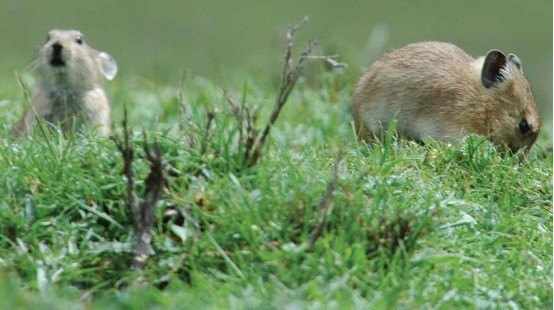
The Plateau Pika (Ochotona curzoniae) is not merely a small mammal; it is an ecological engineer of the Qinghai-Tibet Plateau. Living at altitudes exceeding 4,000 meters, this lagomorph faces extreme cold, low oxygen levels, and intense ultraviolet radiation. Its presence dictates the survival of numerous predators and contributes significantly to the soil health of the alpine meadow.
Biological Adaptations to Hypoxia
To survive in the thin air of the plateau, the pika has developed a specialized metabolic rate that remains high even in freezing temperatures. Unlike many other small mammals that hibernate, the pika remains active throughout the winter. This requires an extraordinary ability to maintain body temperature through non-shivering thermogenesis.
- Burrowing Behavior: Pikas create extensive tunnel systems that protect them from predators and serve as thermal buffers against extreme surface temperature fluctuations.
- Foraging Strategy: They are master hay-makers, collecting and drying vegetation during the short summer to create food caches for the winter months.

The Sand Cat: Master of the Arid Desert
The Sand Cat (Felis margarita) represents a pinnacle of evolutionary adaptation for life in hyper-arid environments. Found across the deserts of North Africa and Central Asia, this elusive feline has evolved features that allow it to remain hydrated and hidden in conditions where water is virtually non-existent.
Morphological Specializations for Sand
The most striking feature of the Sand Cat is its paws. Covered in thick, long hair, the paw pads are protected from the scorching heat of the desert sand, allowing the cat to move silently and without burning its feet. This is a critical advantage for a predator that relies on ambush and stealth.
| Feature | Survival Benefit |
|---|---|
| Thick fur on pads | Insulation against hot sand |
| Large, low-set ears | Enhanced hearing for subterranean prey |
| Pale coat coloration | Camouflage against desert terrain |

The Manul: Survival in the Highlands
The Manul, or Pallas’s Cat, is a master of the rocky, cold steppes of Central Asia. With a stocky build and the densest fur of any cat species, the Manul is perfectly insulated against the biting winds of the high-altitude plains. Its survival strategy relies heavily on camouflage and a conservative energy expenditure model.
Hunting Tactics and Energy Conservation
Manuls are not high-speed pursuit hunters. Instead, they utilize a “sit-and-wait” approach, often spending hours watching for movement near rocky outcrops or rodent burrows. This strategy is essential, as the energetic cost of hunting in high-altitude, low-oxygen environments is significant.
- Camouflage: Their grizzled, multi-colored fur allows them to blend almost perfectly into rocky scree slopes.
- Vertical Migration: Manuls often move between different elevations depending on the season to track prey availability and avoid the harshest weather extremes.

Comparative Ecological Roles
When examining these three species, a clear pattern emerges: environmental pressure acts as the primary driver for specialized evolution. Whether it is the pika’s role as a primary consumer and soil aerator, or the Sand Cat and Manul’s roles as specialized secondary consumers, each plays a vital part in their respective food webs.
Frequently Asked Questions (FAQ)
- Q1: Why is the Plateau Pika considered an “ecological star”?
- The pika is a keystone species. Its burrowing behavior aerates the soil, and it serves as the primary prey base for almost all carnivores on the Tibetan Plateau, including the Tibetan fox and various raptors.
- Q2: How do Sand Cats get their water?
- Sand Cats are remarkably efficient at obtaining moisture. They derive the vast majority of their hydration directly from the bodies of their prey, which include small rodents, lizards, and insects.
- Q3: Is the Manul’s fur actually the densest of all cats?
- Yes, the Manul possesses the densest fur of any felid. This is a critical adaptation to the extreme cold of its habitat, providing an insulating layer that prevents heat loss during the harsh winters of the Central Asian steppes.
- Q4: How do these animals handle the lack of oxygen at high altitudes?
- Species like the pika and Manul have developed physiological adaptations, such as higher hemoglobin concentrations and more efficient cardiac output, allowing their tissues to receive adequate oxygen despite the low atmospheric pressure.