Educational note: This site publishes independent educational content for general readers. Articles about ecology, wildlife, conservation, pollution, animal behavior, or environmental risk are informational only and should not be treated as scientific, legal, regulatory, veterinary, medical, emergency, or professional advice. Consult qualified experts, peer-reviewed sources, and official local guidance before making decisions.
The Social Dynamics and Intelligence of Sea Otters
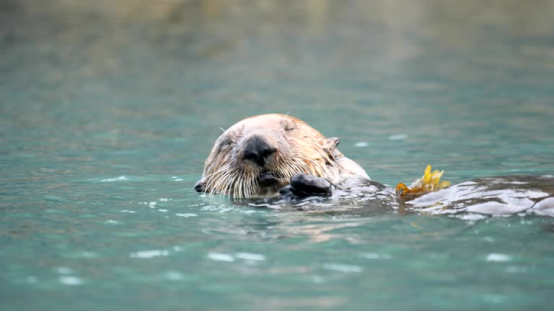
Sea otters (Enhydra lutris) are among the most charismatic creatures in the marine world. Beyond their adorable appearance, they exhibit high levels of intelligence and complex social structures. One of their most famous behaviors—holding hands while sleeping—is not just a display of affection; it is a tactical survival maneuver known as rafting. By tethering themselves to one another or wrapping themselves in giant kelp, they prevent drifting away from their social group or out into dangerous currents during rest.
Cognitive Adaptations
Research suggests that sea otters possess advanced problem-solving skills, particularly when it comes to tool use. They are one of the few marine mammals that utilize rocks to crack open hard-shelled prey like clams, mussels, and abalone. This behavior is often passed down from mother to pup, representing a form of cultural learning.

Survival Strategies and Thermoregulation
Unlike other marine mammals such as whales or seals, sea otters do not have a thick layer of blubber to keep them warm in freezing Pacific waters. Instead, they rely on the world’s densest fur. With up to one million hairs per square inch, their coat traps a layer of air against their skin, providing essential insulation. Maintaining this fur is a full-time job, occupying a significant portion of their daily routine.
The Metabolic Challenge
Because they lack blubber, sea otters have an incredibly high metabolic rate to generate body heat. They must consume approximately 25% to 30% of their body weight in food every single day to survive. This constant need for nutrition drives their behavior and ecological impact.
| Adaptation | Survival Function |
|---|---|
| Dense Fur | Thermal insulation and buoyancy |
| Tool Use | Accessing high-protein, hard-shelled prey |
| Rafting | Safety from currents and predators |
| High Metabolism | Constant heat production for cold water |

The Ecological Role of the Sea Otter as a Keystone Species
Sea otters are defined as a keystone species, meaning their presence is essential for the health and balance of the entire kelp forest ecosystem. By preying on sea urchins, they prevent these herbivores from overgrazing kelp forests. Without sea otters, urchin populations explode, leading to “urchin barrens” where kelp forests are decimated, destroying the habitat for hundreds of other marine species.
Pro Tips for Observing Sea Otters
- Always maintain a respectful distance; use binoculars to avoid stressing the animals.
- Observe during the morning or late afternoon when they are most active in foraging.
- Look for “rafts”—groups of otters floating together—to witness their social cohesion.
- Never attempt to feed or approach them, as this disrupts their natural foraging instincts.
Frequently Asked Questions (FAQ)
- Why do sea otters hold hands?
- They hold hands while sleeping to form “rafts,” which prevents members of the group from drifting apart in ocean currents while they are unconscious.
- Do sea otters live in freshwater?
- No, sea otters are exclusively marine mammals that inhabit the coastal waters of the North Pacific Ocean.
- How do sea otters keep their fur clean?
- Grooming is essential for their insulation. They spend hours rubbing their fur to remove dirt and distribute natural oils that keep the coat waterproof.
- Why are sea otters considered a keystone species?
- They control sea urchin populations. Without them, urchins would destroy kelp forests, which are vital habitats for diverse marine life.