Educational note: This site publishes independent educational content for general readers. Articles about ecology, wildlife, conservation, pollution, animal behavior, or environmental risk are informational only and should not be treated as scientific, legal, regulatory, veterinary, medical, emergency, or professional advice. Consult qualified experts, peer-reviewed sources, and official local guidance before making decisions.
The Earth’s oceans, covering more than 70% of our planet, are currently facing an unprecedented existential threat: plastic pollution. What began as a revolutionary material for human convenience has transformed into a persistent environmental pollutant that permeates every level of the marine ecosystem. This pillar page serves as an exhaustive resource, synthesizing the latest research on plastic volume, the mechanics of microplastic migration, the chemical dangers of polymers, and the global efforts to mitigate this crisis through technology and policy.
Quantifying the Crisis: How Much Trash is in the Ocean?
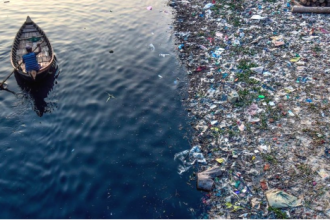
Understanding the scale of ocean pollution requires looking at the sheer volume of debris entering marine environments annually. Current estimates suggest that between 8 and 14 million metric tons of plastic enter the ocean every year. This is not merely a surface issue; plastic has been found in the deepest parts of the Mariana Trench and embedded within Arctic ice. The accumulation of this waste has led to the formation of massive gyres, the most famous being the Great Pacific Garbage Patch (GPGP), which is estimated to be twice the size of Texas.
Composition of Marine Debris
Marine trash is not a monolith. It consists of various materials, though plastic is the most dominant and damaging due to its durability. The breakdown of materials commonly found in the ocean includes:
| Material Type | Estimated Persistence | Primary Sources |
|---|---|---|
| Single-Use Plastics | 450+ Years | Bottles, bags, straws, food packaging |
| Fishing Gear (Ghost Gear) | 600+ Years | Discarded nets, lines, and traps |
| Microplastics | Indefinite | Synthetic textiles, tire wear, fragmented larger items |
| Chemical Additives | Varies | Leached phthalates, BPA, and flame retardants |
The longevity of these materials means that every piece of plastic ever made still exists in some form, unless it has been incinerated. In the marine environment, UV radiation and mechanical wave action do not “biodegrade” plastic; they simply fragment it into smaller and smaller pieces known as microplastics, which are significantly harder to remove and more likely to enter the biological food chain.

The Invisible Threat: Microplastic Migration from Washing Machines
While large plastic items like bottles are highly visible, a significant portion of marine pollution is invisible to the naked eye. One of the primary pathways for microplastic entry into the ocean is through household laundry. Synthetic fabrics such as polyester, nylon, and acrylic are made of plastic fibers. When these garments are agitated in a washing machine, they shed hundreds of thousands of microfibers per wash cycle.
The Pathway to the Marine Food Chain
The journey from a suburban laundry room to the gut of a marine organism involves several critical stages:
- Shedding: During a standard wash, a single fleece jacket can release over 250,000 microfibers.
- Wastewater Treatment Limitations: Most wastewater treatment plants are not designed to filter out microscopic fibers. While some are captured in sewage sludge, billions bypass filtration and are discharged into local waterways.
- Oceanic Dispersion: Once in the ocean, these fibers are distributed by currents. A case study at San Francisco’s Ocean Beach revealed high concentrations of microplastics in the sand and nearshore waters, much of which was traced back to urban runoff and treated wastewater.
- Ingestion: Small organisms like zooplankton and filter-feeders (such as mussels and oysters) mistake these fibers for food. Through the process of bioaccumulation, these plastics move up the food chain to larger fish and, eventually, to human consumers.
This migration represents a “stealth” pollution that bypasses traditional beach cleanup efforts, requiring upstream solutions such as improved washing machine filtration and the development of natural fiber alternatives.

Plastic Pollution is Chemical Pollution: The Toxic Reality
It is a common misconception that plastic is chemically inert. In reality, plastic pollution is a form of chemical pollution. Plastics are manufactured using a cocktail of additives to achieve specific properties like flexibility, color, or flame resistance. Furthermore, plastic in the ocean acts as a “chemical sponge,” adsorbing Persistent Organic Pollutants (POPs) from the surrounding water.
Toxic Additives and Adsorption
When plastic enters the ocean, it begins to leach its internal chemicals while simultaneously collecting external toxins. This creates a highly toxic “pill” for any animal that ingests it. Key chemical concerns include:
- Endocrine Disruptors: Chemicals like Bisphenol A (BPA) and phthalates can interfere with the hormonal systems of marine animals, leading to reproductive failure and developmental abnormalities.
- Heavy Metals: Lead, cadmium, and mercury are often used in plastic manufacturing and can accumulate in marine tissues.
- Hydrophobic Pollutants: Plastics attract oil-based pollutants like PCBs and DDT. These toxins can be concentrated on the surface of a plastic fragment at levels a million times higher than in the surrounding seawater.
This chemical dimension means that the damage of plastic is not just physical (choking or entanglement) but also physiological, affecting the very health and genetic integrity of marine populations.

Ecological Consequences: The Devastating Impact on Seabirds
Seabirds are among the most visible victims of the plastic crisis. Because many species of seabirds, such as albatrosses and petrels, forage on the ocean surface, they frequently mistake floating plastic for fish eggs or squid. The consequences are often fatal, leading to a phenomenon known as “plasticosis”—a newly identified disease caused by the internal scarring of the digestive tract from plastic ingestion.
The Cycle of Ingestion and Starvation
The impact on seabirds follows a tragic cycle. Adult birds forage for food and inadvertently pick up plastic. They then return to their nests and regurgitate this “food” to their chicks. The chicks’ stomachs become filled with indigestible plastic, leaving no room for actual nutrients. This leads to:
- Physical Obstruction: Plastic blocks the digestive tract, preventing the passage of food.
- False Satiety: The bird feels “full” due to the volume of plastic, leading it to stop seeking food and eventually die of starvation.
- Internal Lacerations: Sharp edges of fragmented plastic can puncture the stomach lining or esophagus, causing internal bleeding and infection.
Research indicates that nearly 90% of all seabirds have ingested some form of plastic, and without significant intervention, this number is expected to reach 99% by 2050.

The Pacific Cleanup: Evaluating Large-Scale Collection Systems
As the scale of the problem has become clearer, ambitious technological solutions have emerged. The most prominent of these is “The Ocean Cleanup,” an organization dedicated to removing plastic from the Great Pacific Garbage Patch using massive, passive collection systems. Their approach has evolved from static barriers to actively towed systems like “System 002” (Jenny).
Effectiveness and Operational Mechanics
The current generation of cleanup technology utilizes a long, U-shaped barrier that is towed through the water at a slow speed. This creates a natural concentration point where plastic is funneled into a retention zone. Key features of this system include:
- Computational Modeling: Using AI and satellite data to predict where plastic “hotspots” are located, allowing for more efficient deployment.
- Marine Life Safety: The systems are designed with escape routes and low speeds to ensure that marine animals are not accidentally trapped or harmed during the collection process.
- Scalability: The goal is to deploy a fleet of these systems to remove 90% of floating ocean plastic by 2040.
While critics argue that we should focus exclusively on stopping plastic at the source (rivers), proponents of the Pacific cleanup emphasize that the plastic already in the gyres will continue to break down into microplastics if not removed, creating a permanent ecological hazard.

From Waste to Waves: Innovative Recycling in Ocean Cleanup
A critical component of a sustainable cleanup effort is the “Circular Economy.” Simply removing plastic from the ocean is not enough; we must find a way to manage that waste so it doesn’t end up back in the environment. Innovative companies are now turning “waste to waves” by transforming recovered marine debris into high-quality products.
Creating a Value Chain for Marine Plastic
The process of upcycling ocean plastic is technically challenging because the material is often degraded by salt and UV light. However, advanced recycling techniques are making it possible to:
- Ocean-Bound Plastic Tools: Recovered nets and bottles are being processed into durable goods, including sunglasses, watches, and even components for new cleanup machinery.
- Traceability and Certification: Organizations are implementing “Blockchain” and “Chain of Custody” protocols to prove that the plastic used in a product was actually recovered from the ocean, preventing “greenwashing.”
- Infrastructure Support: By creating a market for recovered plastic, cleanup organizations can generate revenue to fund further expeditions, creating a self-sustaining model for environmental restoration.

Strategic Solutions: A Multi-Dimensional Approach
Solving the ocean plastic crisis requires more than just technology; it requires a fundamental shift in how society produces, consumes, and disposes of plastic. A multi-dimensional strategy involves individual action, corporate responsibility, and international policy.
7 Core Solutions to Plastic Pollution
- Eliminating Single-Use Plastics: Banning straws, bags, and cutlery at the legislative level.
- Extended Producer Responsibility (EPR): Holding manufacturers accountable for the entire lifecycle of their products, including disposal.
- Improving Waste Management Infrastructure: Especially in developing nations where riverine plastic leakage is highest.
- Microfiber Filtration: Mandating filters in all new commercial and residential washing machines.
- Green Chemistry: Developing truly biodegradable alternatives to traditional petroleum-based plastics.
- Global Treaties: Supporting the UN High Seas Treaty and other international agreements to regulate plastic production.
- Public Education: Shifting consumer behavior through awareness campaigns and transparent labeling.

The Role of Travelers and Global Offset Programs
As global tourism grows, so does the plastic footprint of travelers. However, new initiatives are allowing individuals to take direct action. The Oceanic Society, for example, has launched traveler plastic pollution offset programs. Similar to carbon offsets, these programs allow travelers to calculate their plastic usage and fund the removal of an equivalent amount of plastic from the environment.
How Plastic Offsets Work
The mechanism is straightforward but impactful. A traveler calculates the plastic they will likely use during a trip (bottles, toiletries, etc.). They then donate to a verified organization that employs local communities in high-leakage areas to collect and process plastic waste. This not only cleans the ocean but also provides economic opportunities in regions most affected by pollution. This “plastic neutrality” model is becoming a cornerstone of sustainable travel and corporate social responsibility.
Frequently Asked Questions (FAQ)
- Q1: Is it possible to completely clean the Great Pacific Garbage Patch?
- While a 100% cleanup is extremely difficult due to the continuous breakdown of plastic into microplastics, organizations like The Ocean Cleanup aim to remove 90% of the floating plastic by 2040 using a fleet of large-scale collection systems. Success depends on both cleaning the existing patch and stopping new plastic from entering the ocean.
- Q2: How do microplastics from my laundry end up in the ocean?
- Synthetic clothes shed microfibers during washing. These fibers are too small for many wastewater treatment plants to catch. They are discharged into rivers and eventually reach the ocean, where they are ingested by marine life and enter the human food chain.
- Q3: Why is plastic considered a “chemical” pollutant?
- Plastic is made with toxic additives like BPA and phthalates. In the ocean, it also acts as a magnet for other dangerous chemicals like PCBs. When animals eat plastic, these toxins leach into their bodies, causing hormonal and reproductive issues.
- Q4: What is the most effective way for an individual to help?
- The most effective individual action is to reduce the consumption of single-use plastics. Additionally, supporting legislation for Extended Producer Responsibility and using microfiber filters in washing machines can have a significant upstream impact.
- Q5: Can “ocean plastic” really be recycled into new products?
- Yes, though it is difficult. Salt and sun damage the plastic, but advanced mechanical and chemical recycling can turn this waste into high-quality materials for shoes, sunglasses, and tools, supporting a circular economy.