The Science Behind Biological Light Emission
Bioluminescence is the production and emission of light by a living organism. Unlike incandescence, which produces light through heat, bioluminescence is a form of chemiluminescence, often referred to as “cold light.” This process occurs when a pigment called luciferin reacts with oxygen, facilitated by the enzyme luciferase.
The Chemical Process Explained
At the molecular level, the reaction involves the oxidation of the luciferin substrate. The energy released during this chemical transition is emitted as photons, resulting in the characteristic blue or green glow seen in deep-sea environments. Blue light is particularly prevalent because it travels further through seawater than any other wavelength, making it the most efficient medium for communication in the abyss.

Evolutionary Strategies for Survival
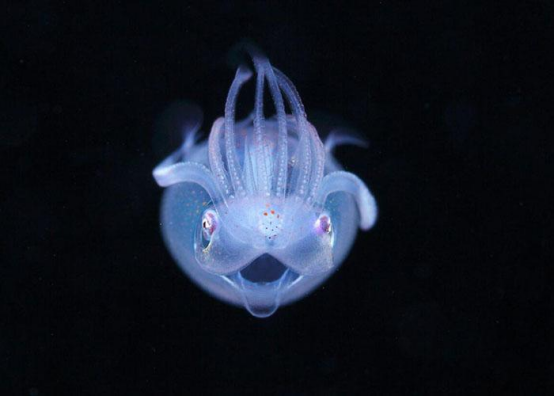
In the bathypelagic zone, where sunlight is completely absent, bioluminescence serves as a vital tool for survival. Organisms have evolved specialized organs known as photophores to control the intensity and frequency of their light displays.
- Offensive Strategy: Luring prey through mimicry or illumination.
- Defensive Strategy: “Counter-illumination” to camouflage against downwelling light.
- Communication: Signaling for mates or warning off potential predators.
Common Survival Tactics
Many predators, such as the anglerfish, utilize bioluminescent lures to attract unsuspecting prey. Conversely, smaller organisms often use “burglar alarm” displays to attract larger predators that will consume their immediate attackers, effectively weaponizing the environment.

Comparison of Bioluminescent Functions
| Function | Mechanism | Example Organism |
|---|---|---|
| Predation | Aggressive mimicry | Anglerfish |
| Defense | Startle display / Ink | Atolla Jellyfish |
| Camouflage | Counter-illumination | Hatchetfish |
| Mating | Species-specific flashes | Ostracods |

Frequently Asked Questions (FAQ)
- Why is most deep-sea light blue?
- Blue light has a shorter wavelength and can penetrate deeper into the ocean than red or yellow light, making it the most effective color for visibility in the deep sea.
- Do all deep-sea creatures produce their own light?
- Not necessarily. Some organisms derive bioluminescence through symbiotic relationships with glowing bacteria, while others synthesize the chemicals themselves.
- How do predators avoid being seen by their own light?
- Many organisms use shutters or filters over their photophores to control the direction and timing of the light, ensuring they only reveal themselves when intended.
- What is the most common use of bioluminescence?
- Defense is widely considered the most common usage, as it allows organisms to evade predators through distraction or by blending into the faint light from the surface.