Educational note: This site publishes independent educational content for general readers. Articles about ecology, wildlife, conservation, pollution, animal behavior, or environmental risk are informational only and should not be treated as scientific, legal, regulatory, veterinary, medical, emergency, or professional advice. Consult qualified experts, peer-reviewed sources, and official local guidance before making decisions.
The natural world is a theater of constant challenge, where survival is the ultimate prize. To endure, species have developed an astonishing array of strategies, two of the most dramatic being large-scale migration and profound physiological adaptation. These are not merely behaviors but epic sagas written into the genetic code and life cycles of Earth’s most resilient creatures. From the thundering herds of the Serengeti to the silent, enduring life in the Arctic, these strategies represent a masterclass in persistence. This guide explores the intricate details of these survival mechanisms, examining the life-and-death journeys of the wildebeest and monarch butterfly, and contrasting them with the remarkable stay-at-home resilience of the Arctic fox, providing a deep understanding of how life persists against all odds.
The Great Wildebeest Migration: A Symphony of Survival
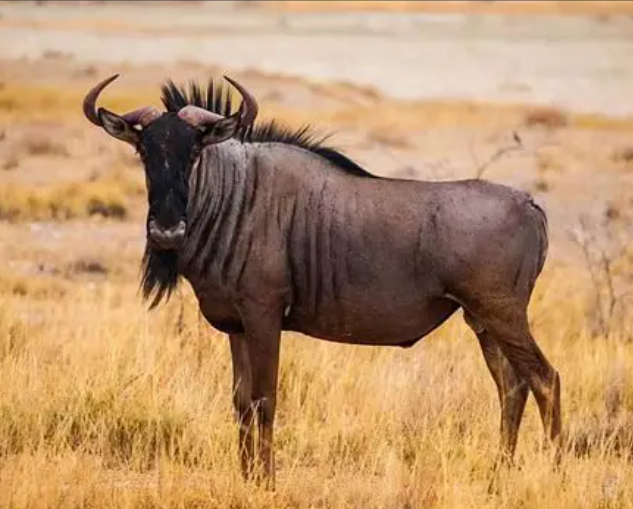
The Great Migration of East Africa is one of the planet’s most awe-inspiring natural spectacles. It involves over 1.5 million blue wildebeest, alongside hundreds of thousands of zebras and gazelles, embarking on a continuous, circular journey spanning over 1,000 kilometers across the Serengeti-Mara ecosystem. This is not a random stampede but a finely tuned response to environmental cues, primarily the availability of water and fresh grazing driven by seasonal rainfall.
From Birth on the Plains to the First Journey
The cycle begins on the southern Serengeti plains, a vast grassland that becomes a massive nursery between January and March. During a synchronized birthing period, an estimated 500,000 wildebeest calves are born within a few short weeks. This mass-birthing is a crucial survival strategy known as “predator swamping,” overwhelming predators like lions, hyenas, and cheetahs with an overabundance of potential prey, thus increasing the survival rate for individual calves. These newborns are precocial, able to stand within minutes and run with the herd within a day, a vital adaptation for a life on the move.
Triggers and Drivers: Following the Rains
As the dry season approaches around April and May, the southern plains dry up, and the herds begin their relentless march northwest. The primary driver is the search for green pastures, which are dictated by the patterns of rainfall. They move towards the Western Corridor and the Grumeti River, where the first major obstacles await. This movement is an instinctual, ingrained response to environmental triggers, a testament to an evolutionary history shaped by the rhythm of the African seasons. The herd’s collective intelligence guides them toward distant storms and the promise of sustenance.
The Perilous Journey: Navigating Predators and Rivers
The migration route is fraught with danger. On land, predators stalk the herds relentlessly, picking off the young, weak, or unwary. However, the most iconic and dangerous challenge is the crossing of the Mara River. Here, massive Nile crocodiles lie in wait, creating a scene of primal chaos and survival. The immense pressure from the herd behind forces the wildebeest at the front into the treacherous, fast-flowing waters. Many drown or are taken by crocodiles, but the sheer number of animals ensures the vast majority make it across to the rich grasslands of Kenya’s Maasai Mara, where they will graze until the rains call them south again, completing the cycle.

The Monarch’s Marvel: A Multi-Generational Odyssey
In stark contrast to the singular, year-long journey of a wildebeest, the migration of the North American monarch butterfly (Danaus plexippus) is a complex, multi-generational relay race. This incredible feat involves a journey of up to 4,800 kilometers from Canada and the United States to overwintering sites in central Mexico. What makes this migration truly unique is that the butterflies that begin the journey south are not the ones that started the journey north earlier that year.
The Four-Generation Relay Race Explained
The entire annual cycle is completed by four or five distinct generations of monarchs, each with a different role and lifespan.
- First Generation: Hatches in the southern U.S. from eggs laid by the overwintering generation. They fly north and reproduce.
- Second & Third Generations: These are short-lived generations (2-6 weeks) that continue the northward expansion, breeding and laying eggs on milkweed plants along the way.
- Fourth Generation (The “Methuselah” Generation): This is the migratory generation. Born in late summer, they enter a state of reproductive diapause, meaning they do not mature to reproduce. This allows them to conserve energy for the long flight south to Mexico. They can live for up to eight months, surviving the entire winter before beginning the journey north in the spring to lay the eggs of the first generation.
The Vital Role of Milkweed and Nectar
The monarch’s life cycle is inextricably linked to the milkweed plant. It is the sole host plant for monarch caterpillars; without it, the species cannot reproduce. The toxins (cardenolides) in milkweed are sequestered by the caterpillars, making both the larval and adult butterflies toxic to many predators. During their migration, adult monarchs depend on nectar from a wide variety of flowering plants to fuel their long-distance flight. The availability of both milkweed for breeding and nectar sources for fuel is critical along their entire migratory corridor.
Navigational Secrets and Looming Threats
Scientists believe monarchs use a combination of tools to navigate. A primary mechanism is a time-compensated sun compass located in their antennae, which allows them to orient themselves based on the sun’s position in the sky. There is also evidence suggesting they are sensitive to the Earth’s magnetic field. Despite these incredible abilities, the monarch migration is classified as an endangered phenomenon. The primary threats include habitat loss (especially the decline of milkweed due to herbicides and land development), climate change altering weather patterns, and deforestation in their Mexican overwintering grounds.

Arctic Fox Adaptation: Thriving in Extreme Cold
While some animals travel vast distances to escape harsh conditions, others, like the Arctic fox (Vulpes lagopus), have evolved to master them. Instead of migrating, the Arctic fox employs a suite of sophisticated physiological and behavioral adaptations to survive year-round in one of the world’s most extreme environments, where winter temperatures can plummet below -50°C (-58°F).
Built for the Cold: Anatomical and Physiological Marvels
The Arctic fox is a masterpiece of evolutionary engineering for cold-weather survival. Its survival is dependent on minimizing heat loss and maximizing energy conservation.
- Thick Insulating Fur: The fox possesses the warmest fur of any mammal, providing exceptional insulation. This coat famously changes color, from brown or grey in the summer to a thick, pure white in the winter, providing excellent camouflage (crypsis) against the snow.
- Countercurrent Heat Exchange: A network of arteries and veins in their paws cools blood flowing to the extremities and warms blood returning to the body, preventing their feet from freezing on the ice and snow while minimizing overall body heat loss.
- Compact Body Shape: They have a low surface-area-to-volume ratio, with short legs, a short muzzle, and small, rounded ears, all of which reduce the area from which heat can escape.
- Lowered Metabolism: During periods of food scarcity in winter, they can lower their metabolic rate to conserve energy.
A Flexible Diet and the Looming Threat of a Warming Arctic
The Arctic fox is an opportunistic predator and scavenger. Its primary prey is lemmings, and fox populations often fluctuate in cycles that mirror lemming abundance. When lemmings are scarce, they will eat whatever is available, including birds, eggs, carrion left by polar bears, and even berries. However, this specialized existence is now under severe threat from global warming. A warming Arctic means less sea ice, which the foxes use for hunting. It also allows the larger, more dominant red fox to expand its territory northward, outcompeting and even killing the smaller Arctic fox. Furthermore, the changing snow cover can lead to a camouflage mismatch, making the white winter-coated foxes more visible to predators like eagles on a snow-free landscape.

Comparative Analysis: Migration vs. In-Place Adaptation
Comparing the strategies of the wildebeest, monarch butterfly, and Arctic fox reveals a fundamental dichotomy in evolutionary problem-solving: flee or endure. Migration is a proactive strategy to track resources and avoid seasonally hostile environments, while in-place adaptation is a reactive strategy to withstand those environments. Each approach has distinct trade-offs in terms of energy, risk, and resilience.
Energy Expenditure and Risk Factors
Migration is an immensely energy-intensive undertaking. The wildebeest’s long trek and the monarch’s flight require vast caloric reserves. This journey also exposes them to significant predation and environmental hazards, such as river crossings or storms. In contrast, the Arctic fox’s primary energy expenditure is thermoregulation—simply staying warm. While it avoids the risks of a long journey, it faces the constant threat of starvation and extreme cold if its adaptations fail or food sources disappear. The risk is concentrated in its home environment rather than spread across a migratory route.
A Tale of Two Strategies
The table below highlights the core differences between these survival strategies, using our case studies as examples.
| Feature | Migration (Wildebeest/Monarch) | In-Place Adaptation (Arctic Fox) |
|---|---|---|
| Core Strategy | Move to track resources and avoid seasonal extremes. | Evolve specialized traits to survive local environmental extremes. |
| Primary Driver | Food and water availability (Wildebeest), temperature and breeding cycles (Monarch). | Extreme cold and fluctuating prey availability. |
| Key Challenge | High energy cost, predation during journey, navigating obstacles. | Thermoregulation, food scarcity, camouflage mismatch due to climate change. |
| Timeframe | Seasonal, cyclical (annual or multi-generational). | Continuous, year-round endurance. |
| Vulnerability | Disruption of migratory routes, loss of habitat at endpoints or stopovers. | Rapid environmental change that outpaces evolutionary adaptation. |
Frequently Asked Questions (FAQ)
- Q1: Why do wildebeest migrate in such large numbers?
- Wildebeest migrate in massive herds of over a million individuals for two main strategic reasons. Firstly, it provides safety in numbers, a concept known as the “dilution effect,” which reduces the individual’s chance of being targeted by predators. Secondly, it is a form of “predator swamping,” especially during the synchronized calving season, where the sheer volume of newborns overwhelms the capacity of predators to consume them all, ensuring a higher overall survival rate for the next generation.
- Q2: How can a butterfly like the monarch fly thousands of kilometers?
- The monarch butterfly’s long-distance migration is possible due to a combination of factors. The migratory generation enters a state of reproductive diapause, conserving energy normally used for mating and egg-laying. They are masters of soaring, using thermal updrafts and tailwinds to glide for long distances with minimal effort. They also make crucial stops to refuel on nectar from flowers, which provides the necessary energy for the arduous journey.
- Q3: What is the biggest threat facing the Arctic fox today?
- The single greatest threat to the Arctic fox is climate change. The warming Arctic leads to several cascading problems: it reduces the sea ice the foxes rely on for hunting, it allows the larger and more aggressive red fox to move north and outcompete them for food and territory, and it causes a “camouflage mismatch” when snow melts earlier, leaving the white-coated foxes exposed to predators on a brown landscape.
- Q4: Is migration a better survival strategy than adaptation?
- Neither strategy is inherently “better”; they are different evolutionary solutions to different environmental problems. Migration is effective for species in environments with predictable, drastic seasonal changes, allowing them to exploit resources in multiple locations. In-place adaptation is successful for species in environments that are consistently harsh but stable, allowing for extreme specialization. However, rapid, unpredictable environmental change, such as that caused by human activity, poses a severe threat to both strategies, as it can disrupt migratory cues and render hard-won adaptations obsolete.