Educational note: This site publishes independent educational content for general readers. Articles about ecology, wildlife, conservation, pollution, animal behavior, or environmental risk are informational only and should not be treated as scientific, legal, regulatory, veterinary, medical, emergency, or professional advice. Consult qualified experts, peer-reviewed sources, and official local guidance before making decisions.
Introduction to Marine Pollution: A Global Crisis
Marine pollution stands as one of the most pervasive and complex environmental challenges of our era, threatening the health of ocean ecosystems and, by extension, human well-being. It encompasses a vast spectrum of contaminants, originating from land-based activities, atmospheric deposition, and direct ocean discharges. From the smallest plankton to the largest whales, marine life is increasingly exposed to pollutants that disrupt biological processes, degrade habitats, and alter marine food webs. Addressing this crisis requires a deep understanding of its multifaceted nature, its specific manifestations, and the comprehensive, collaborative solutions needed to restore ocean vitality.
Defining Marine Pollution and Its Scope
Marine pollution can be broadly defined as the introduction of substances or energy into the marine environment that results in deleterious effects such as harm to living resources, hazards to human health, hindrance to marine activities, impairment of water quality for use, and reduction of amenities. This definition highlights not only the biological and ecological damage but also the significant economic and social consequences. The scope of marine pollution is truly global, affecting every ocean basin, from coastal estuaries to the deepest trenches, and from tropical reefs to polar ice caps.
- Anthropogenic Origins: Over 80% of marine pollution originates from land-based sources, including agricultural runoff, industrial discharge, untreated sewage, and plastic waste.
- Cumulative Impacts: Many pollutants, particularly persistent organic pollutants (POPs) and heavy metals, accumulate in marine organisms and biomagnify up the food chain, posing risks to top predators and human consumers.
- Invisible Threats: Beyond visible debris, invisible pollutants like excess carbon dioxide (leading to ocean acidification), microplastics, and pharmaceutical residues present insidious threats that are harder to detect and mitigate.

Understanding the Major Types of Marine Pollution
The complexity of marine pollution stems from the sheer variety of pollutants entering the ocean. Each type presents unique challenges and impacts, often interacting synergistically to exacerbate overall environmental degradation. A detailed examination of these categories is crucial for developing targeted and effective remedial strategies.
Ocean Acidification: The Invisible Threat
Often referred to as the “other CO2 problem,” ocean acidification is the ongoing decrease in the pH of the Earth’s oceans, caused by the uptake of anthropogenic carbon dioxide (CO2) from the atmosphere. This process has profound implications for marine calcifying organisms and the entire food web.
- Chemical Mechanism: As CO2 dissolves in seawater, it forms carbonic acid, which then dissociates, releasing hydrogen ions (H+) and increasing the water’s acidity. This also reduces the availability of carbonate ions (CO3^2-), which are essential building blocks for shells and skeletons.
- Impacts on Calcifiers: Organisms such as corals, oysters, clams, sea urchins, and pteropods (sea snails) struggle to build and maintain their calcium carbonate structures in more acidic waters. This can lead to weaker shells, reduced growth rates, and increased mortality. For instance, studies show that oyster larvae are particularly vulnerable, experiencing significant mortality in acidified conditions.
- Ecosystem-Wide Consequences: The decline of calcifying organisms can have cascading effects throughout marine ecosystems, impacting food availability for predators and disrupting critical habitats like coral reefs, which support a quarter of all marine species.
Plastic Pollution: A Ubiquitous Menace
Plastic pollution, from large debris to microscopic particles, has permeated every corner of the marine environment. Its persistence and widespread distribution make it a global environmental crisis with severe implications for marine life and human health.
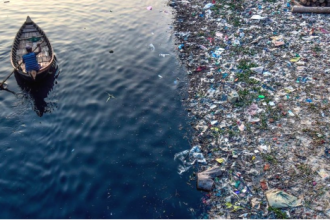
- Sources and Pathways: Plastics enter the ocean from various sources, including improper waste disposal, industrial spills, fishing gear, and textile shedding (microfibers). Rivers act as major conduits, transporting land-based plastic waste to coastal waters and eventually the open ocean.
- Macroplastics vs. Microplastics: Macroplastics (items larger than 5mm) like bottles, bags, and fishing nets pose entanglement and ingestion hazards. Microplastics (less than 5mm) originate from the breakdown of larger plastics or are intentionally manufactured (e.g., microbeads). These tiny particles are ingested by a vast range of organisms, from plankton to whales, and can carry toxins.
- Impacts on Marine Life:
- Entanglement: Marine mammals, sea turtles, and birds can become entangled in discarded fishing nets and other plastic debris, leading to injury, drowning, and starvation.
- Ingestion: Animals often mistake plastic for food, leading to internal injuries, blockages, false feelings of fullness, and starvation. A notable case is the impact on penguins; plastic ingestion can cause digestive tract damage, reduce nutrient absorption, and introduce harmful chemicals. Studies have shown plastic fragments in the stomachs of various penguin species, highlighting the widespread nature of this threat.
- Chemical Leaching: Plastics can leach harmful chemicals into seawater and into the tissues of organisms that ingest them, potentially affecting reproduction, growth, and immune function.
- Sources: Agricultural runoff (fertilizers), untreated sewage, and industrial wastewater are primary sources of nutrient pollution.
- Sargassum Blooms: Massive influxes of nutrients, combined with warming ocean temperatures, contribute to the proliferation of sargassum seaweed. While sargassum is naturally occurring and provides habitat in the open ocean, unprecedented blooms can create significant problems. When these vast mats wash ashore, they decompose, releasing hydrogen sulfide gas, which is toxic to humans and marine life, and suffocating coastal ecosystems. These rotting masses threaten beach tourism, coastal economies, and the health of local populations.
- Hypoxia and Anoxia: The decomposition of large algal blooms consumes oxygen, leading to hypoxic (low oxygen) or anoxic (no oxygen) conditions that are lethal to most marine organisms, creating “dead zones.”
- Heavy Metals and POPs: Mercury, lead, cadmium, and persistent organic pollutants (POPs) like PCBs and DDTs accumulate in sediments and marine food webs. These substances are highly toxic, carcinogenic, and can cause developmental and reproductive problems in marine organisms and humans.
- Oil Spills: While large-scale oil spills from tanker accidents receive significant media attention, chronic small spills from routine shipping operations and land-based runoff contribute substantial amounts of petroleum hydrocarbons to the ocean. Oil coats marine life, impairing insulation, buoyancy, and foraging abilities, and its toxic compounds can cause internal damage.
- Estuaries and Bays: These semi-enclosed bodies of water are particularly vulnerable as they receive direct runoff from rivers carrying pollutants from agricultural, urban, and industrial areas. Many of the world’s most polluted coastal waters are found in densely populated areas with inadequate waste management.
- Examples of Hotspots: Regions like the Gulf of Mexico (due to Mississippi River runoff creating a large dead zone), parts of the Mediterranean Sea (high shipping traffic, urban waste), and numerous coastal areas in Southeast Asia (plastic pollution, untreated sewage) are prime examples. These areas often exhibit high levels of heavy metals, plastic debris, and nutrient overload.
- Long-Range Transport: Atmospheric and oceanic currents carry pollutants from industrial regions in lower latitudes to the Arctic. Persistent organic pollutants (POPs) and heavy metals accumulate in the cold environment and biomagnify in Arctic food chains, posing severe threats to indigenous populations who rely on marine mammals for sustenance.
- Melting Ice and Permafrost: Climate change-induced melting of sea ice and permafrost releases previously trapped pollutants, including mercury and other legacy contaminants, back into the environment. This thawing also opens new shipping routes, increasing the risk of oil spills and other forms of localized pollution.
- Impacts on Arctic Wildlife: Iconic species like polar bears, seals, and whales are exposed to high levels of contaminants, leading to reproductive issues, immune suppression, and altered behavior. For example, plastic pollution is increasingly found in Arctic waters, threatening species like narwhals and belugas.
- Plastic Accumulation: Deep-sea currents and topography can create accumulation zones for plastic debris, including microplastics, which settle from the surface.
- Chemicals in Deep-Sea Organisms: Studies have detected high levels of POPs in deep-sea amphipods and other invertebrates, indicating widespread contamination even in remote areas.
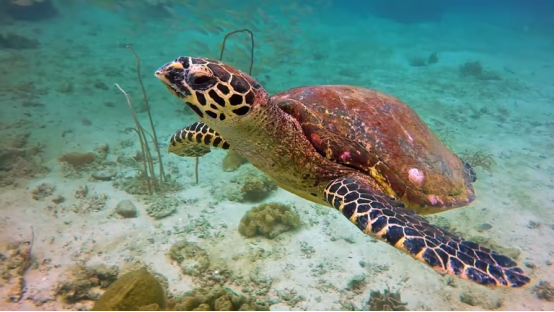
- Species Mortality and Decline: Direct exposure to toxins, entanglement in debris, and habitat degradation lead to the death of countless marine animals annually. For example, plastic ingestion is a leading cause of mortality for sea turtles and seabirds.
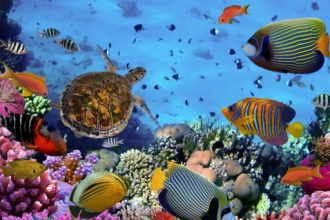
- Habitat Degradation: Coral reefs, seagrass beds, and mangrove forests, which are vital nursery grounds and carbon sinks, are severely impacted by sedimentation, chemical pollution, and ocean acidification. The destruction of these critical habitats has profound effects on the species that rely on them.
- Food Web Alterations: The biomagnification of pollutants like mercury and PCBs through the food chain can lead to apex predators accumulating high concentrations, causing reproductive failure, immune deficiencies, and population declines. This also impacts the availability of safe seafood for human consumption.
- Seafood Contamination: Consumption of seafood contaminated with heavy metals (e.g., mercury in large predatory fish), POPs, or microplastics can lead to various health problems, including neurological disorders, developmental issues, and increased cancer risk.
- Recreational Hazards: Swimming in waters affected by sewage or harmful algal blooms can cause skin rashes, gastrointestinal illnesses, and respiratory problems. The hydrogen sulfide gas released by decomposing sargassum, for instance, can cause respiratory irritation and other health issues for coastal residents and tourists.
- Fisheries Decline: Pollution-induced fish kills, habitat destruction, and seafood contamination lead to reduced fish stocks and market closures, devastating fishing communities and economies. The collapse of major fisheries due to pollution can have long-term economic consequences.
- Tourism Losses: Polluted beaches, waters, and coastal environments deter tourists, resulting in significant revenue losses for hospitality sectors and local businesses. The ongoing issue of rotting seaweed on Caribbean beaches, for example, poses a direct threat to the region’s vital tourism industry.
- Cleanup and Health Costs: Governments and communities bear immense costs for cleaning up polluted coastlines, managing waste, and addressing public health issues arising from marine contamination.
- International Agreements: Treaties like the MARPOL Convention (regulating pollution from ships) and the Stockholm Convention (on POPs) provide crucial frameworks. Strengthening enforcement and expanding their scope are vital.
- National Legislation: Countries must enact and rigorously enforce laws regulating industrial discharges, waste management, agricultural runoff, and plastic production. This includes setting strict limits on pollutants and implementing penalties for non-compliance.
- Extended Producer Responsibility (EPR): Policies that hold producers responsible for the entire lifecycle of their products, especially plastics, can incentivize sustainable design and proper waste management.
- Waste Management Infrastructure: Investing in robust waste collection, sorting, recycling, and treatment facilities, particularly in developing nations, is critical to preventing land-based waste from reaching the ocean.
- Wastewater Treatment: Upgrading and expanding sewage treatment plants to remove nutrients, microplastics, and pharmaceutical residues before discharge into coastal waters.
- Advanced Cleanup Technologies: Innovations in ocean cleanup systems, although debated for their efficacy, can help remove large accumulations of plastic from gyres. However, prevention remains the most effective strategy.
- Bioremediation: Utilizing microorganisms to break down pollutants like oil and certain chemicals offers a natural approach to remediation in affected areas.
- Reduce, Reuse, Recycle: Emphasizing the hierarchy of waste management, with a strong focus on reducing consumption and promoting reuse before recycling.
- Circular Economy Models: Designing products for longevity, repairability, and ultimate recycling or composting, thereby minimizing waste and resource depletion. This involves rethinking entire supply chains.
- Sustainable Agriculture: Implementing practices that reduce fertilizer and pesticide runoff, such as precision agriculture, cover cropping, and riparian buffer zones.
- Green Chemistry: Developing and using less toxic chemicals in industrial processes and consumer products to prevent harmful substances from entering the environment.
- Ingestion Mechanisms: Penguins often mistake plastic fragments, pellets, and other small debris for prey, leading to internal injuries, blockages in their digestive tracts, and a false sense of satiation. This can result in starvation despite a full stomach.
- Chemical Exposure: Plastics absorb persistent organic pollutants (POPs) from seawater. When ingested, these chemicals can leach into the penguin’s tissues, causing chronic health issues, reproductive problems, and weakened immune systems. Studies have detected plasticizers and other endocrine-disrupting chemicals in penguin tissues.
- Entanglement Risks: While less common for smaller plastic pieces, larger debris like discarded fishing nets and packing straps can entangle penguins, impairing their ability to swim, hunt, and escape predators, ultimately leading to injury or death. This is particularly prevalent in coastal breeding colonies.
- Case Example: Research on Magellanic penguins in South America has shown a concerning prevalence of plastic in their stomachs, correlating with reduced body condition and increased mortality rates, highlighting the widespread nature of this threat even in relatively remote areas.
- Impact on Coral Reefs: Coral reefs, often called the “rainforests of the sea,” are highly sensitive to changes in ocean pH. Increased acidity makes it harder for corals to extract calcium carbonate from the water to build and maintain their intricate skeletons. This leads to slower growth, weakened structures, and increased susceptibility to erosion, exacerbating the effects of coral bleaching events. The degradation of reefs impacts the millions of species that rely on them for habitat and food.
- Threat to Shellfish Industries: The oyster, clam, and mussel industries are already experiencing direct economic impacts. Larval stages of these shellfish are particularly vulnerable to acidified waters, as their ability to form initial shells is severely compromised. Hatcheries in regions like the Pacific Northwest have observed significant die-offs of oyster larvae linked directly to upwelled acidic waters.
- Disruption of Pteropod Populations: Pteropods, or “sea butterflies,” are tiny, free-swimming snails that form a crucial link in many marine food webs, especially in polar regions. Their delicate aragonite shells are highly susceptible to dissolution in acidic conditions. A decline in pteropod populations could have significant cascading effects on fish, seabirds, and marine mammals that feed on them.
- International Cooperation for Long-Range Pollutants: Given that many Arctic pollutants originate from distant industrialized regions, international agreements and collaborative efforts are paramount. This includes strengthening protocols on the reduction of POPs and heavy metal emissions globally.
- Monitoring and Research: Enhanced monitoring programs are essential to track the transport and accumulation of pollutants in the Arctic, understand their impacts on unique ecosystems and indigenous communities, and inform policy decisions. This involves long-term studies of contaminant levels in wildlife and traditional foods.
- Oil Spill Preparedness: With increasing shipping and resource extraction activities in the Arctic due to melting ice, robust oil spill prevention, response, and remediation capabilities are critically important. This requires specialized equipment and training suited for extreme cold and icy conditions.
- Waste Management in Remote Communities: Supporting remote Arctic communities in developing sustainable waste management practices is key to preventing local pollution, especially plastic waste, from entering the pristine environment.
- Integrated Coastal Zone Management (ICZM): Implementing comprehensive planning and management processes that consider all activities occurring in coastal areas, from urban development and agriculture to tourism and fisheries. This helps to balance competing demands and minimize environmental impacts.
- Improved Wastewater and Stormwater Management: Investing in advanced sewage treatment facilities to remove nutrients, pathogens, and microplastics. Implementing green infrastructure solutions (e.g., permeable pavements, rain gardens) to filter stormwater runoff before it reaches coastal waters.
- Agricultural Best Management Practices (BMPs): Promoting sustainable farming techniques such as precision fertilization, cover cropping, and riparian buffers to reduce nutrient and pesticide runoff into rivers and estuaries.
- Plastic Waste Reduction at Source: Focusing on reducing single-use plastics through policy, consumer education, and promoting reusable alternatives. Enhancing local waste collection and recycling infrastructure in coastal communities.
- International Cooperation: Global treaties like the United Nations Convention on the Law of the Sea (UNCLOS) and regional agreements play a vital role in addressing transboundary pollution issues, such as plastic waste and atmospheric deposition. Strengthening these agreements and ensuring compliance are ongoing challenges.
- National and Sub-National Regulations: Governments must implement and enforce laws that regulate industrial discharges, agricultural runoff, and municipal waste. This includes setting stringent standards for water quality, banning harmful chemicals, and promoting environmentally sound practices across all sectors.
- Economic Incentives and Disincentives: Policies can leverage economic tools, such as carbon pricing, pollution taxes, and subsidies for green technologies, to encourage sustainable behavior and discourage polluting activities.
- Advanced Monitoring Systems: Satellite imagery, autonomous underwater vehicles (AUVs), and sensor networks can provide real-time data on pollution levels, ocean currents, and ecosystem health, enabling better informed responses.
- Waste-to-Energy and Recycling Innovations: Developing more efficient and sustainable methods for processing waste, including advanced recycling techniques that can handle mixed plastics and convert non-recyclable waste into energy, thereby reducing landfill reliance and ocean leakage.
- Biodegradable Alternatives: Research and development into truly biodegradable and compostable materials for packaging and consumer products can significantly reduce plastic pollution. However, careful assessment is needed to ensure these alternatives do not create new environmental problems.
- Pollution Mitigation Technologies: Innovations in ship design to prevent oil spills, advanced filtration systems for wastewater, and technologies for capturing carbon emissions at source all contribute to reducing marine pollution.
- Environmental Education: Comprehensive educational programs, from schools to public campaigns, can raise awareness about the sources and impacts of marine pollution, fostering a sense of responsibility and stewardship.
- Consumer Choices: Empowering consumers to make informed decisions by choosing sustainable products, reducing single-use items, supporting eco-friendly businesses, and demanding accountability from corporations.
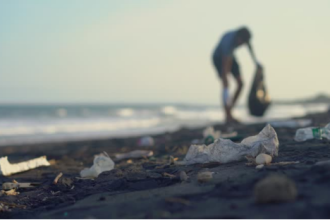
- Citizen Science and Advocacy: Engaging the public in citizen science initiatives, such as beach cleanups and marine debris monitoring, not only helps directly but also fosters a deeper connection to the ocean and encourages advocacy for stronger environmental protections.
- Community-Based Conservation: Supporting local initiatives that protect coastal ecosystems, restore habitats, and manage marine resources sustainably. These grassroots efforts often provide effective, context-specific solutions.
- Q1: What is ocean acidification and why is it a major concern?
- Ocean acidification is the ongoing decrease in the pH of the Earth’s oceans, primarily caused by the absorption of excess carbon dioxide (CO2) from the atmosphere. It’s a major concern because it reduces the availability of carbonate ions, which are essential
Nutrient Pollution and Harmful Algal Blooms
Excessive input of nutrients, primarily nitrogen and phosphorus, into coastal waters leads to eutrophication, a process that can trigger harmful algal blooms (HABs) and create dead zones.
Chemical and Oil Pollution
Industrial activities, shipping, and urban runoff introduce a range of toxic chemicals and petroleum products into the marine environment.

Global Pollution Hotspots and Vulnerable Ecosystems
Certain regions and ecosystems are disproportionately affected by marine pollution due to a combination of geographical factors, high population density, industrial activity, and climate change impacts. Identifying these hotspots is crucial for prioritizing conservation and remediation efforts.
Coastal Waters: The Frontline of Pollution
Coastal zones, where land meets sea, are the most heavily impacted by human activities. They serve as critical habitats for a vast array of marine species, including nurseries for many fish populations, and are vital for human livelihoods through fisheries, tourism, and recreation.
The Arctic: A Unique and Fragile Hotspot
The Arctic, despite its remote appearance, is increasingly recognized as a significant pollution hotspot. Its unique characteristics make it particularly susceptible to long-range transport of pollutants and the impacts of climate change.
Deep Sea and Open Ocean: No Longer Pristine
Even the deep sea, once thought to be beyond the reach of human impact, is now showing signs of pollution. Microplastics and chemical contaminants have been found in the deepest ocean trenches, impacting unique and often endemic species.

Profound Ecological and Economic Impacts of Ocean Contamination
The consequences of marine pollution extend far beyond immediate environmental damage, creating ripple effects that impact biodiversity, ecosystem services, human health, and global economies. Understanding these broad impacts underscores the urgency of effective intervention.
Biodiversity Loss and Ecosystem Disruption
Pollution directly threatens marine species and entire ecosystems, leading to declines in biodiversity and functional shifts within marine habitats.
Human Health Risks
Marine pollution poses direct and indirect threats to human health, from contaminated seafood to respiratory issues caused by harmful algal blooms.
Economic Costs and Livelihood Threats
The economic ramifications of marine pollution are substantial, impacting key industries and local communities globally.

Comprehensive Strategies and Solutions for Marine Pollution
Addressing the complex and pervasive issue of marine pollution requires a multi-pronged approach involving policy, technological innovation, sustainable practices, and concerted global cooperation. No single solution will suffice; rather, a combination of efforts across various sectors is essential.
Policy and Regulatory Frameworks
Effective governance at local, national, and international levels is foundational to controlling and reducing marine pollution.
Technological Innovations and Infrastructure Development
Advancements in technology offer promising avenues for both preventing pollution and cleaning up existing contamination.
Promoting Sustainable Practices and Circular Economy
Shifting towards more sustainable consumption and production patterns is key to reducing the generation of pollutants.

Specific Case Studies: Plastic Pollution and Ocean Acidification
To further illustrate the tangible impacts and complexities of marine pollution, a closer look at two prominent issues—plastic pollution and ocean acidification—provides invaluable insights into their specific challenges and the targeted interventions required.
Plastic Pollution’s Toll on Penguins
Penguins, charismatic indicators of ocean health, are increasingly falling victim to plastic pollution across their diverse habitats, from the Antarctic to warmer coastal regions. Their foraging behavior and reliance on marine food sources make them particularly vulnerable.
Ocean Acidification’s Dissolving Effect on Marine Ecosystems
Ocean acidification, driven by excess atmospheric CO2, is subtly but profoundly altering the fundamental chemistry of seawater, with critical consequences for marine biodiversity and ecosystem function, particularly for organisms that build shells and skeletons.

Addressing Regional Challenges: Arctic and Coastal Pollution
While marine pollution is a global issue, its manifestations and the most effective mitigation strategies often require regionally tailored approaches. The Arctic and coastal waters represent distinct challenges demanding specific attention.
Specific Strategies for Arctic Pollution
The Arctic’s unique environmental conditions, including its remoteness, cold temperatures, and the presence of ice, necessitate specialized approaches to pollution control and remediation.
Mitigating Pollution in Coastal Waters
Coastal areas face intense pressure from land-based sources, requiring integrated management strategies that consider both terrestrial and marine environments.

The Role of Policy, Technology, and Public Action
Effective solutions to marine pollution require a concerted effort that integrates robust policy frameworks, innovative technological advancements, and widespread public engagement. These three pillars are interdependent and mutually reinforcing in the pursuit of healthier oceans.
Strengthening Global and Local Policy Frameworks
Policies provide the regulatory backbone for pollution prevention and control. From international conventions to local ordinances, clear and enforceable rules are essential.
Leveraging Technology for Prevention and Remediation
Technological innovation offers powerful tools to tackle marine pollution, from monitoring and detection to cleanup and alternative materials.
Empowering Public Awareness and Action
Ultimately, sustained change requires a shift in public attitudes and behaviors. Engaged citizens, informed consumers, and active communities are critical drivers of progress.
Conclusion: A Shared Responsibility for Ocean Health
Marine pollution is a multifaceted crisis demanding an integrated, global response. From the invisible threat of ocean acidification to the pervasive presence of plastic debris, and from localized hotspots to the remote Arctic, the health of our oceans is inextricably linked to human activity. By combining robust policy, innovative technology, and widespread public engagement, we can transition from being contributors to pollution to becoming stewards of the marine environment. The journey to cleaner, healthier oceans is a shared responsibility, requiring sustained commitment and collaborative action from individuals, industries, and governments worldwide. The future of marine ecosystems, and indeed our own, depends on the choices we make today to protect this invaluable global resource.
Frequently Asked Questions (FAQ)
Ocean Plastic Pollution: A Comprehensive Guide to Impacts, Science, and Solutions
The Hidden Dangers of Deep-Sea Mining: A Comprehensive Guide