Educational note: This site publishes independent educational content for general readers. Articles about ecology, wildlife, conservation, pollution, animal behavior, or environmental risk are informational only and should not be treated as scientific, legal, regulatory, veterinary, medical, emergency, or professional advice. Consult qualified experts, peer-reviewed sources, and official local guidance before making decisions.
This comprehensive guide is based on a deep dive into the survival philosophy of hares, expanding on their unique adaptations and the challenges they face in their natural habitats.
Hares, often mistaken for rabbits, are true masters of survival, particularly in open grassland environments. Their existence hinges on a sophisticated “invisibility philosophy” – a combination of physical attributes, behavioral patterns, and an intimate understanding of their habitat. This ultimate guide explores how these agile creatures evade predators, endure harsh conditions, and maintain their elusive presence across vast landscapes, delving into the evolutionary pressures that have sculpted them into formidable survivors.
The Art of Invisibility: Camouflage and Concealment
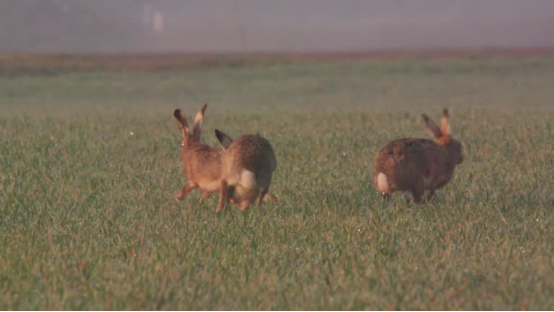
At the heart of a hare’s survival strategy is its remarkable ability to blend seamlessly into its surroundings. This isn’t merely a trick of nature; it’s a finely tuned evolutionary adaptation developed over millennia. Their fur color, typically shades of brown, grey, or sandy yellow, provides perfect cryptic camouflage against the dried grasses, soil, and sparse vegetation of their grassland homes. This coloration isn’t static; many hare species undergo seasonal molts, exchanging summer coats for lighter, often whiter, winter pelage to match snowy landscapes, a process driven by changes in photoperiod and temperature.
The Science Behind Cryptic Coloration
The effectiveness of a hare’s camouflage lies in its disruptive coloration and countershading. Disruptive patterns break up the animal’s outline, making it difficult for a predator’s eye to distinguish the hare from the background. Countershading, where the belly is lighter than the back, helps to counteract the effect of natural light, which typically illuminates an animal from above, making it appear flatter and less three-dimensional to an observer. This combination makes them incredibly hard to spot, even when they are in plain sight, turning them into ghost-like figures on the open plains.
Beyond Fur: Behavioral Concealment
While fur provides the primary layer of invisibility, hares enhance this through specific behaviors. When threatened, their first instinct is often to freeze. By remaining perfectly still, they rely entirely on their camouflage to render them unseen. This “form” behavior, where they flatten themselves against the ground in a shallow depression, further minimizes their profile and makes them almost indistinguishable from a clump of earth or vegetation. This strategy is particularly effective against predators that rely heavily on movement to detect prey.

Behavioral Adaptations for Predator Evasion
When camouflage fails, hares switch to a dynamic and often bewildering display of agility and speed. They are renowned for their incredible bursts of speed, capable of reaching up to 45 miles per hour (72 km/h), making them one of the fastest small mammals. Their long, powerful hind legs are perfectly adapted for rapid acceleration and sustained sprints, crucial for outrunning a variety of predators.
The Zig-Zag Escape Maneuver
More than just speed, hares employ a distinctive zig-zag running pattern when pursued. This erratic movement is designed to confuse and disorient predators, making it difficult for them to anticipate the hare’s next move. Each sudden change in direction costs the predator precious time and energy, often allowing the hare to gain enough distance to escape into cover or simply outlast its pursuer. This maneuver demands immense agility and quick reflexes, honed through generations of natural selection.
Crepuscular and Nocturnal Habits
Many hare species are crepuscular, meaning they are most active during dawn and dusk, or strictly nocturnal. This timing allows them to forage and move under the cover of low light, when many diurnal (daytime) predators are less active or have reduced visibility. By minimizing their exposure during peak hunting hours for predators like eagles and hawks, they significantly reduce their risk of detection. This strategic use of time is another subtle yet powerful aspect of their invisibility philosophy.

Habitat Mastery: Grasslands as a Fortress
Hares are quintessential inhabitants of open grasslands, prairies, and agricultural fields. Unlike rabbits, who dig extensive burrows, hares typically do not burrow. Instead, they rely on shallow depressions in the ground, known as “forms,” which they scrape out themselves. These forms, often strategically located amidst tall grasses or under bushes, provide just enough shelter from wind and rain, and critically, offer a vantage point for scanning for predators while remaining largely hidden.
The Role of Sensory Acuity
Their grassland habitat also necessitates highly developed senses. Hares possess large, independently moving ears that can swivel 360 degrees, allowing them to detect the faintest sounds of approaching danger from any direction. Their eyes are set high and wide on their heads, providing an almost panoramic field of vision, crucial for spotting predators across open terrain. This heightened sensory awareness acts as an early warning system, giving them precious seconds to initiate their escape strategies.
Ecological Niche and Survival Challenges
Hares play a vital role in their ecosystems as primary consumers, grazing on a variety of grasses, herbs, and agricultural crops. Their abundance supports a diverse range of predators, making them a cornerstone of the food web. However, their reliance on open habitats also makes them vulnerable to habitat loss, agricultural practices, and increased predator pressure. Understanding their survival mechanisms is key to appreciating their ecological significance and formulating conservation strategies.

Pro Tips: Observing Hares Responsibly
Observing hares in their natural habitat can be a rewarding experience, offering a glimpse into their incredible survival instincts. However, it’s crucial to do so responsibly to avoid causing stress or disturbance to these wild animals. Here are some expert tips for ethical hare observation and general advice on their unique survival:
- Maintain Distance: Always keep a respectful distance. Use binoculars or a telephoto lens for close-up views. Approaching too closely can cause stress and force the hare to expend valuable energy fleeing.
- Be Patient and Quiet: Hares are easily spooked. Move slowly, avoid sudden movements, and keep noise to a minimum. Patience is key; sometimes the best viewing comes from simply sitting still and letting them become accustomed to your presence (from afar).
- Observe at Dawn/Dusk: As crepuscular animals, hares are most active during twilight hours. This is the best time to spot them foraging or moving between cover.
- Look for “Forms”: Scan for shallow depressions in open fields or under bushes where hares might be resting. Remember, their camouflage is excellent, so look for subtle outlines or ear tips.
- Never Disturb a “Frozen” Hare: If you spot a hare that is frozen still, it’s relying on its camouflage. Do not approach it to confirm its presence. Your detection means its strategy has failed, and forcing it to run is detrimental.
- Understand Their Diet: Hares are herbivores, primarily eating grasses, clover, and young shoots. In winter, they may strip bark from trees. They do not typically require human intervention for food.
- Respect Their Habitat: Stick to designated paths, avoid trampling vegetation, and never leave litter behind. A clean habitat is a healthy habitat for hares and all wildlife.
Comparative Analysis: Hares vs. Rabbits – Survival Strategies
While often grouped together, hares and rabbits represent distinct evolutionary paths with different survival strategies. Understanding these differences highlights the unique adaptations of hares.
| Feature | Hares (e.g., European Hare) | Rabbits (e.g., European Rabbit) |
|---|---|---|
| Habitat Preference | Open grasslands, fields, tundras | Woodlands, forests, shrublands, meadows |
| Shelter/Denning | Shallow “forms” (depressions) in open ground; no burrowing | Extensive underground burrows (warrens) |
| Young (Leverets/Kits) | Born precocial (eyes open, furred, mobile) above ground | Born altricial (blind, naked, helpless) in burrows |
| Social Structure | Generally solitary or loosely social | Highly social, live in large colonies |
| Primary Defense | Speed, agility, camouflage, freezing | Fleeing to burrows, colony warning systems |
| Physical Build | Longer legs, larger ears, generally larger body size | Shorter legs, smaller ears, generally smaller body size |
Frequently Asked Questions (FAQ)
- How do hares manage to stay hidden in open grasslands with so little cover?
- Hares utilize a combination of exceptional cryptic camouflage, with fur coloration that perfectly matches their environment, and behavioral adaptations like “freezing” (remaining perfectly still) in shallow depressions called “forms.” Their disruptive coloration helps break up their outline, making them incredibly difficult for predators to spot against the textured background of grass and soil.
- What is the primary difference between a hare’s and a rabbit’s survival strategy?
- The primary difference lies in their defense mechanisms and habitat use. Hares rely on speed, camouflage, and remaining above ground in shallow “forms,” with their young born precocial. Rabbits, conversely, depend on extensive underground burrow systems (warrens) for escape and raising their altricial young, and are more social.
- Can hares really outrun all their predators?
- While hares are incredibly fast (up to 45 mph) and agile, they cannot outrun all predators indefinitely. Their zig-zag running pattern helps to confuse pursuers, but sustained chases are energetically costly. Their survival often depends on combining speed with their camouflage, using bursts of acceleration to reach cover or evade an immediate threat, rather than simply outrunning every predator.
- Do hares change their fur color with the seasons?
- Yes, many hare species, particularly those in temperate or arctic regions, undergo seasonal molts. They shed their summer brown or grey coats for a lighter, often pure white, winter fur. This adaptation allows them to maintain effective camouflage against snowy landscapes, demonstrating a remarkable ability to adapt to changing environmental conditions throughout the year.
- What role do hares play in their ecosystem?
- Hares are crucial herbivores in their ecosystems, acting as primary consumers that graze on a wide variety of vegetation. By doing so, they help to control plant growth and disperse seeds. Furthermore, their abundance makes them a significant food source for a diverse range of predators, including foxes, coyotes, eagles, and owls, thus supporting the health and balance of the entire food web.