Educational note: This site publishes independent educational content for general readers. Articles about ecology, wildlife, conservation, pollution, animal behavior, or environmental risk are informational only and should not be treated as scientific, legal, regulatory, veterinary, medical, emergency, or professional advice. Consult qualified experts, peer-reviewed sources, and official local guidance before making decisions.
The plateau pika (Ochotona curzoniae) stands as a remarkable testament to resilience in the animal kingdom. Inhabiting the unforgiving, high-altitude steppes and meadows of the Tibetan Plateau, these small, rabbit-like mammals face some of the planet’s most extreme environmental challenges. With average winter temperatures plummeting far below freezing, persistent snow cover, and scarce food resources, their survival is a masterclass in adaptation. This ultimate guide explores the multifaceted wisdom embedded in their behavior, physiology, and social structures, unveiling how these seemingly fragile creatures not only endure but thrive in environments that would overwhelm most other small animals. We delve into the ‘why’ behind their unique strategies, from the meticulous art of hay-making to the architectural genius of their burrows and the subtle metabolic shifts that define their winter existence.
The Plateau Pika: Masters of Alpine Survival
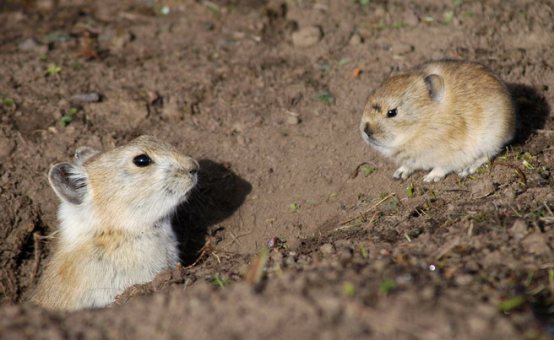
Plateau pikas are small lagomorphs, distinct from rodents, characterized by their round bodies, short limbs, and lack of a visible tail. They are diurnal and highly active during the short summer months, a period of frantic preparation for the brutal winter ahead. Their habitat, typically above 3,000 meters (10,000 feet) in elevation, subjects them to intense UV radiation, low oxygen levels, and drastic temperature fluctuations. These conditions necessitate a suite of specialized adaptations, making the pika a fascinating subject for ecological study. Unlike many small mammals in temperate zones that hibernate through winter, plateau pikas remain active, albeit largely hidden beneath the snowpack, relying entirely on their stored resources and ingeniously constructed shelters. This active winter survival strategy demands constant energy management and meticulous resource planning.
A Glimpse into Their Harsh World: The Tibetan Plateau Environment
The Tibetan Plateau is often referred to as the “Roof of the World,” a vast, elevated expanse characterized by its unique climate and sparse vegetation. For the plateau pika, this environment presents a paradox: abundant forage during the brief summer, followed by months of extreme cold and deep snow. The soil is often shallow and rocky, making burrow construction both essential and challenging. Predators, such as foxes, weasels, and various birds of prey, are ever-present threats, adding another layer of complexity to their survival calculus. The pika’s ability to navigate these environmental pressures speaks volumes about the evolutionary pressures that have shaped its survival wisdom over millennia. Understanding this backdrop is crucial to appreciating the sophistication of their winter preparations.

The Art of Hay-Making: Pikas’ Strategic Food Cache
Perhaps the most iconic and critical survival strategy of the plateau pika is their “hay-making” behavior. Throughout the summer, these industrious animals tirelessly forage for grasses, sedges, and forbs, which they then meticulously gather into large, conical piles known as “hay-piles” or “haystacks.” These caches are not merely random collections; they are strategically built near their burrows, often on elevated rocks or mounds, to facilitate drying and prevent spoilage. The ‘why’ behind this behavior is simple yet profound: to create a readily accessible, nutrient-rich food supply that can sustain them during the long, lean winter months when fresh vegetation is completely inaccessible under thick snow. This foresight is a cornerstone of their winter resilience.
From Foraging to Fermentation: The Haying Process
The haying process is a complex, multi-stage endeavor. Pikas select specific plants, often those with high nutritional value, and transport them in their mouths to designated drying sites. Here, the vegetation is spread out to dry in the sun and wind, a crucial step that prevents mold and fermentation. Once sufficiently dry, the pikas meticulously stack the hay, often adding new layers throughout the summer. This drying process is vital because wet plant material would quickly rot in their humid burrows. Some research even suggests that a degree of fermentation might occur within the hay-piles, potentially increasing the digestibility and nutritional value of the stored food, much like silage for livestock. This sophisticated food preservation technique highlights an innate understanding of botany and micro-ecology.
Why Hay-Piles are Life-Saving
The importance of hay-piles cannot be overstated. During winter, when the ground is blanketed by meters of snow, pikas access their stored provisions by tunneling through the snow to their hay-piles. These caches provide the caloric and nutritional intake necessary to maintain their body temperature and energy levels, allowing them to remain active. Without these meticulously prepared reserves, starvation would be an inevitable fate. Furthermore, the hay-piles serve a dual purpose: some of the plant material might also be used as insulation within their burrows, adding an extra layer of protection against the biting cold. The size and quality of a pika’s hay-pile directly correlate with its chances of surviving the winter, making it a critical measure of individual fitness and survival wisdom.
Subterranean Sanctuaries: The Role of Burrow Systems
Beyond their external food caches, plateau pikas rely heavily on elaborate burrow systems for survival. These underground networks are not just simple holes; they are complex architectural marvels designed to provide shelter, safety, and a relatively stable microclimate. The ‘why’ of these burrows extends beyond mere refuge; they are central to thermoregulation, predator evasion, and even social interaction, making them indispensable for life in such a challenging environment. The construction and maintenance of these burrows represent a significant investment of time and energy, underscoring their critical role in the pika’s survival strategy.
Architects of the Underworld: Burrow Design
Pika burrows typically consist of multiple entrances and exits, a labyrinth of tunnels, and several chambers for nesting, sleeping, and food storage. The design often incorporates escape routes, allowing pikas to evade predators that might attempt to enter their tunnels. Entrances are often strategically placed near rock crevices or dense vegetation for concealment. The depth of the burrows is also crucial; they extend deep enough to remain below the frost line, providing access to unfrozen soil and protection from the most extreme surface temperatures. The intricate design reflects generations of evolutionary refinement, optimizing for both safety and comfort.
Insulation, Safety, and Microclimates
The primary function of the burrow is to create a stable microclimate. While surface temperatures can fluctuate wildly and drop to extreme lows, the temperature within a deep burrow remains relatively constant, often just above freezing. This thermal stability significantly reduces the energy pikas need to expend on thermoregulation, allowing them to conserve precious fat reserves. The snowpack itself acts as an insulating blanket, further stabilizing the temperatures within the subnivean (under-snow) environment of the burrows. Additionally, the complex network of tunnels provides sanctuary from ground predators like weasels and stoats, and aerial predators cannot access them once the pikas are underground. The burrows are truly their safe havens, offering a critical buffer against the harsh realities of the alpine winter.
Physiological Adaptations: The Internal Toolkit for Winter
While behavioral strategies like hay-making and burrow construction are vital, the plateau pika also possesses remarkable physiological adaptations that enable it to withstand the cold and scarcity of winter. These internal mechanisms are the ‘why’ behind their ability to maintain activity when other small mammals are in deep hibernation or torpor. Understanding these physiological adjustments reveals another layer of their sophisticated survival wisdom.
Metabolic Wonders: Energy Conservation
Plateau pikas do not truly hibernate like marmots or ground squirrels. Instead, they maintain a relatively high metabolic rate throughout winter, relying on their stored food. However, they can enter bouts of shallow torpor, a state of reduced metabolic activity and body temperature, for short periods. This allows them to conserve energy during particularly cold spells or when food resources are temporarily difficult to access. This flexibility in metabolic regulation is a key adaptation, enabling them to balance the need for activity with the imperative of energy conservation. They also develop a thicker winter coat, providing superior insulation, and may increase their fat reserves during autumn, though their primary energy strategy revolves around food caching rather than extensive fat storage.
Beyond Hibernation: Managing Winter’s Demands
The decision not to fully hibernate is likely driven by several factors, including the relatively stable subnivean environment provided by their burrows and hay-piles, which makes deep hibernation less necessary. Moreover, remaining active allows them to access their food caches and react to changes in their environment. Their small body size, which typically predisposes animals to higher rates of heat loss, is counteracted by their dense fur, ability to huddle (in some social contexts), and the thermal buffering of their burrows and snowpack. The plateau pika’s physiological toolkit is finely tuned to manage the unique demands of an active winter in an extreme alpine environment.
Pro Tips for Understanding and Conserving Pikas
- Observe from a Distance: Pikas are easily stressed. When observing, use binoculars and maintain a significant distance to avoid disturbing their critical foraging and hay-making activities, especially during summer.
- Respect Their Habitat: Avoid trampling their hay-piles or burrow entrances. These structures are vital for their survival. Stick to designated trails in pika habitats.
- Understand Climate Change Impacts: Pikas are highly sensitive to temperature changes. Warmer winters can lead to less stable snowpack, exposing burrows to colder temperatures, while hotter summers can stress their food sources. Support research and policies aimed at mitigating climate change.
- Support Local Conservation Efforts: Many pika populations are facing threats. Contributing to or volunteering with local wildlife conservation groups focused on alpine ecosystems can make a tangible difference.
- Educate Others: Share the incredible story of pika survival. Raising awareness about their unique adaptations and the challenges they face helps foster a greater appreciation for biodiversity and conservation.
Comparative Survival Strategies: Pikas vs. Other Alpine Rodents
To truly appreciate the unique wisdom of the plateau pika, it’s insightful to compare their winter survival strategies with those of other small mammals inhabiting similar harsh environments. While all face common challenges, their evolutionary paths have led to distinct solutions.
| Feature | Plateau Pika | Marmot (e.g., Himalayan Marmot) | Vole (e.g., Root Vole) |
|---|---|---|---|
| Primary Winter Strategy | Active, relies on hay-piles & subnivean activity | True Hibernation (deep torpor for months) | Active, relies on subnivean tunnels & cached roots/seeds |
| Food Storage | Extensive above-ground hay-piles (dried vegetation) | Minimal direct food storage, relies on fat reserves | Underground caches of roots, seeds, bulbs |
| Shelter Type | Complex burrow systems, often communal | Deep, extensive burrows with multiple chambers for hibernation | Shallow burrow systems, often under snowpack (subnivean space) |
| Metabolic Adaptation | Maintain relatively high metabolism, short bouts of shallow torpor | Significant metabolic depression, body temperature drops to near ambient | Maintain relatively high metabolism, smaller body size means higher demands |
| Body Size | Small (150-200g) | Large (2-8 kg) | Very Small (20-80g) |
| Energy Source for Winter | Stored hay-piles | Accumulated fat reserves | Cached food & some foraging under snow |
The Future of Pika Survival: Challenges and Conservation
Despite their remarkable adaptations, plateau pikas are increasingly vulnerable to environmental changes, particularly those driven by global warming. The ‘why’ behind these new threats lies in the delicate balance of their survival strategies being disrupted. Changes in snowpack duration and quality, shifts in vegetation composition, and increased frequency of extreme weather events pose significant risks. For example, a thinner or less consistent snowpack removes the insulating layer over their burrows, exposing them to harsher temperatures. Conversely, too much wet snow can make hay-piles inaccessible or promote spoilage.
Climate Change and Habitat Degradation
Climate change is altering the timing and intensity of seasons on the Tibetan Plateau, directly impacting pika foraging periods and the drying conditions for hay-piles. Furthermore, human activities such as overgrazing by livestock can degrade the grasslands, reducing the availability of suitable forage for pikas. As a keystone species, pikas play a crucial role in their ecosystem by aerating the soil through their burrowing and serving as a food source for numerous predators. Their decline could have cascading effects throughout the alpine food web. Conservation efforts must focus on mitigating climate change impacts, preserving natural habitats, and promoting sustainable land management practices to ensure the continued survival of these extraordinary alpine masters.
Frequently Asked Questions (FAQ)
- Do plateau pikas truly hibernate during winter?
- No, unlike many other alpine mammals, plateau pikas do not undergo true hibernation. They remain active throughout the winter, primarily relying on their stored hay-piles for food and their burrows for shelter, though they may enter short bouts of shallow torpor to conserve energy.
- What are “hay-piles” and why are they so important?
- Hay-piles are large caches of dried grasses, sedges, and other vegetation that pikas meticulously collect and store during the summer. They are critical because they provide the sole food source for pikas during the long winter months when fresh vegetation is covered by snow and inaccessible.
- How do pikas deal with extreme cold in their burrows?
- Pikas construct complex burrow systems that extend deep enough to remain below the frost line, providing a stable microclimate that is warmer than the surface. The overlying snowpack also acts as a crucial insulating layer, further buffering the burrow temperatures against extreme cold.
- Are plateau pikas considered a keystone species?
- Yes, plateau pikas are often considered a keystone species in their ecosystem. Their extensive burrowing activities aerate the soil, which helps with plant growth, and they serve as a primary food source for a wide array of predators, influencing the dynamics of the entire alpine food web.
- What are the main threats to plateau pika survival?
- The primary threats to plateau pika survival include climate change, which disrupts their habitat and food availability (e.g., unstable snowpack, altered vegetation growth), and habitat degradation due to human activities like overgrazing. These factors directly impact their ability to prepare for and survive winter.