Educational note: This site publishes independent educational content for general readers. Articles about ecology, wildlife, conservation, pollution, animal behavior, or environmental risk are informational only and should not be treated as scientific, legal, regulatory, veterinary, medical, emergency, or professional advice. Consult qualified experts, peer-reviewed sources, and official local guidance before making decisions.
The transformation from a water-bound, fish-like tadpole into a land-roving, air-breathing frog is one of nature’s most dramatic and perilous spectacles. Often romanticized, this process, known as metamorphosis, is a brutal gauntlet where only a tiny fraction of individuals survive. It’s a high-stakes evolutionary race against predators, starvation, and environmental change. This guide delves into the complex biological stages of this incredible journey, revealing the harsh realities and intricate science behind the life cycle of a frog.
The Genesis: From Gelatinous Spawn to Wriggling Tadpole
The frog’s life begins not as a single entity, but as part of a collective mass of eggs called frogspawn. Laid in or near still water, these gelatinous clumps can contain hundreds or even thousands of eggs. This isn’t a sign of abundance, but a grim necessity—a biological bet against overwhelming odds.
The Vulnerable Egg Stage
Each egg is a tiny sphere containing a developing embryo, protected only by a soft, jelly-like coating. This coating offers some defense against bumps and minor predators, but it is highly vulnerable to desiccation if water levels drop, fungal infections, and a host of hungry creatures like fish, newts, and aquatic insects. The location chosen by the parent frog is critical; too deep, and there may not be enough warmth and oxygen; too shallow, and the risk of drying out is immense.
Hatching and Early Life
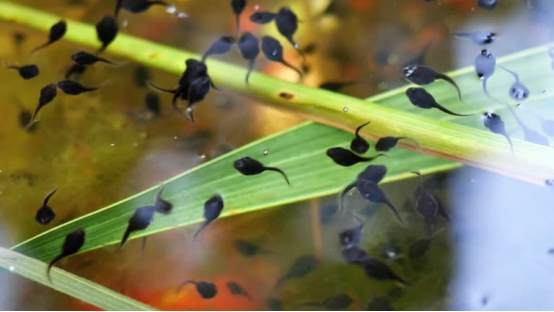
After a period ranging from a few days to several weeks, depending on species and water temperature, the embryos develop into tadpoles and hatch. Initially, they are little more than a mouth and a tail, clinging to the remnants of their egg sac or nearby vegetation for sustenance. Within days, they develop gills for breathing underwater and become free-swimming, propelled by their powerful tails. At this stage, they are primarily herbivores, using their tiny, rasping mouths to scrape algae and decaying plant matter from surfaces.

The Great Metamorphosis: A Complete Biological Overhaul
The transition from tadpole to frog is not a simple growth process; it is a complete deconstruction and reconstruction of the creature’s body, orchestrated by hormones, primarily thyroxine. This is the most critical and energy-intensive phase of its life.
Phase 1: Limb Development
The first visible sign of change is the budding of hind legs. These sprout from the base of the body and slowly grow, developing joints and toes. The front legs develop simultaneously but are initially hidden within the tadpole’s gill chambers, only emerging later.
Phase 2: Respiratory and Circulatory Revolution
Internally, a monumental shift occurs. Lungs begin to develop, preparing the tadpole for a life on land. As the lungs mature, the gills start to atrophy and are eventually absorbed. During this awkward in-between phase, the tadpole may be seen gulping air from the surface. The circulatory system also remodels itself, changing from a single-loop system (like a fish) to a double-loop system to efficiently transport oxygen from the lungs.
Phase 3: Digestive System Transformation
A tadpole’s long, coiled intestine is perfectly designed for digesting algae. A frog’s carnivorous diet of insects requires a much shorter, more acidic digestive tract. During metamorphosis, the tadpole’s original intestine is almost entirely broken down and rebuilt. During this period, the creature cannot eat. To survive, it draws energy by absorbing its own tail, which shrinks until it disappears completely.

Survival of the Fittest: The Pond’s Cruel Gauntlet
The “fantasy evolution” of a frog is, in reality, a story of mass casualties. It is estimated that less than 1% of eggs laid will ever survive to become adult frogs. Every stage presents a new and deadlier set of challenges.
A World of Predators
From the moment they are laid, frogspawn and tadpoles are a primary food source for countless other animals. Dragonfly nymphs, diving beetles, fish, newts, and leeches prey relentlessly on tadpoles in the water. As they transform into froglets and venture onto land, a new set of predators awaits: birds, snakes, lizards, and even larger frogs and mammals like raccoons. Their only defenses are camouflage and the ability to leap away.
Environmental Dangers
Beyond predation, the environment itself is a constant threat. A temporary pond can dry up before metamorphosis is complete, stranding and killing thousands. Water pollution from pesticides and chemical runoff can cause developmental deformities or be outright lethal. Fungal and viral diseases, such as chytridiomycosis, can wipe out entire populations.
Threats at Each Life Stage
| Life Stage | Primary Predators | Key Environmental Threats |
|---|---|---|
| Frogspawn (Eggs) | Fish, newts, aquatic insects, snails | Pond drying (desiccation), freezing, fungal infection |
| Tadpole | Dragonfly nymphs, fish, birds (herons), beetles | Water pollution, lack of food (algae), premature drying of pond |
| Froglet | Birds, snakes, larger frogs, small mammals | Transitioning to land, finding shelter, starvation while learning to hunt |
| Adult Frog | Snakes, owls, hawks, raccoons, large fish | Habitat loss, road mortality, disease, pollution |

Pro Tips: How to Support Local Frog Populations
Amphibians are vital indicator species; their health reflects the health of the entire ecosystem. With populations declining worldwide, even small actions can make a significant difference in helping these creatures survive their perilous life cycle.
Conservation Checklist for Your Backyard
- Avoid Pesticides and Herbicides: Frogs have permeable skin that readily absorbs toxins from the environment. Using chemicals in your garden can contaminate local water sources and directly harm or kill them.
- Create a Wildlife Pond: A small, shallow pond with sloping sides and no fish is a perfect breeding ground. Ensure it has native aquatic plants for cover and oxygenation.
- Provide Shelter: Frogs need damp, shady places to hide from predators and the sun. A simple log pile, a few flat rocks, or an area of uncut grass can provide essential cover.
- Leave Frogspawn Alone: Never move frogspawn or tadpoles from one pond to another. This is a primary way that invasive species and deadly diseases are spread between isolated populations.
- Maintain Natural Water Sources: Protect local streams, ponds, and wetlands. These are the critical habitats that frogs and countless other species depend on for their survival.
- Be Mindful at Night: Frogs are often active on roads during damp nights, especially during breeding season. Drive carefully in areas near wetlands.
Frequently Asked Questions (FAQ)
- How long does it take for a tadpole to become a frog?
- The duration varies greatly depending on the species and environmental conditions like water temperature and food availability. For common frog species, it typically takes between 12 to 16 weeks. However, some species, like the bullfrog, can remain as tadpoles for up to two years.
- What is the main reason so few tadpoles survive?
- Predation is the number one cause of mortality. Tadpoles are a defenseless and nutritious food source for a vast array of aquatic and terrestrial animals. Environmental factors like pond desiccation, pollution, and disease are also major contributors to their low survival rate.
- Why does a tadpole’s tail disappear?
- The tail does not simply fall off; it is absorbed back into the body through a process called apoptosis, or programmed cell death. The nutrients and energy stored in the tail are used to fuel the final, most demanding stages of metamorphosis, a period when the creature is unable to eat as its digestive system is being rebuilt.
- Can a frog breathe underwater?
- While adult frogs have lungs for breathing air, they can also absorb a significant amount of oxygen through their moist, permeable skin. This process, called cutaneous respiration, allows them to stay submerged for long periods, especially during hibernation at the bottom of a pond.
- What is the difference between a frog and a toad?
- While both are amphibians in the order Anura, there are general differences. Frogs typically have smooth, moist skin and live in or near water. Toads generally have drier, warty skin and are better adapted for life on land. However, these are not strict scientific classifications, and there are many exceptions.