Educational note: This site publishes independent educational content for general readers. Articles about ecology, wildlife, conservation, pollution, animal behavior, or environmental risk are informational only and should not be treated as scientific, legal, regulatory, veterinary, medical, emergency, or professional advice. Consult qualified experts, peer-reviewed sources, and official local guidance before making decisions.
The world’s oceans, vast and life-sustaining, are facing a confluence of environmental crises that threaten their delicate ecosystems and the myriad species that call them home. What was once considered an inexhaustible resource now grapples with the visible blight of plastic pollution, the invisible menace of acidification, the devastating phenomenon of coral bleaching, and the relentless march of coastal erosion. These challenges are not isolated incidents but interconnected symptoms of broader anthropogenic pressures, demanding immediate and comprehensive attention. Understanding the mechanisms behind these environmental shifts is the first critical step toward forging effective solutions and ensuring the long-term health of our blue planet.
The Scourge of Plastic: From Garbage Patches to Microplastics
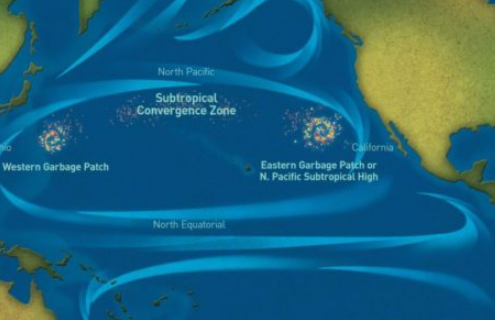
Plastic pollution represents one of the most pervasive and visually striking threats to marine environments globally. The sheer volume of plastic waste entering our oceans annually is staggering, with estimates often ranging into the millions of tons. This influx creates vast aggregations, famously exemplified by the “Pacific Garbage Patch,” a term that, while often misunderstood as a solid island of trash, accurately reflects a massive area of concentrated plastic debris. This patch, and others like it in every major ocean gyre, is a swirling vortex where currents converge, trapping plastic fragments ranging from discarded fishing nets to microscopic particles.
Understanding the Pacific Garbage Patch
The notion of the Pacific Garbage Patch as a solid landmass is a common misconception. In reality, it is a diffuse area of high plastic concentration, predominantly composed of microplastics – tiny fragments less than 5 millimeters in size. These particles are often invisible to the naked eye but collectively form a vast, soupy mix. The patch is not static; it constantly shifts and expands with ocean currents, making cleanup efforts incredibly challenging. Researchers have mapped areas within the patch with plastic densities exceeding 1 million pieces per square kilometer, highlighting the severity of the accumulation.
Sources and Pathways of Ocean Plastic
The journey of plastic into the ocean begins predominantly on land. A significant portion of marine plastic originates from inadequate waste management systems, illegal dumping, and littering. Single-use plastics, such as bottles, bags, and packaging, are major contributors due to their short lifespan and high disposal rates. Additionally, microplastics are introduced directly through the degradation of larger plastic items, the abrasion of tires, and the washing of synthetic clothing. Rivers act as critical conduits, transporting land-based plastic from inland areas directly into coastal waters and eventually the open ocean.
- Land-based sources: Account for approximately 80% of marine plastic, including litter, landfills, and industrial discharge.
- Sea-based sources: Contribute the remaining 20%, primarily from fishing gear, shipping activities, and offshore platforms.
- Microplastic formation: Larger plastics break down due to UV radiation and wave action, creating pervasive microplastics that are even harder to detect and remove.
Impacts on Marine Life and Ecosystems
The consequences of plastic pollution for marine life are dire and multifaceted. Marine animals, from zooplankton to whales, frequently mistake plastic debris for food, leading to ingestion that can cause internal injuries, blockages, starvation, and exposure to toxic chemicals. Entanglement in larger plastic items, particularly abandoned fishing gear (ghost gear), is another significant threat, leading to injury, drowning, and restricted movement for countless species. Plastic debris also facilitates the transport of invasive species, altering delicate ecosystems far from their origin points. Furthermore, plastics absorb persistent organic pollutants from seawater, acting as vectors for these toxins to enter the marine food web.
- Ingestion: Birds, turtles, fish, and marine mammals consume plastic, often leading to false satiation and starvation. Studies show plastic found in 90% of seabirds and 100% of sea turtles.
- Entanglement: Ghost fishing gear alone is responsible for the death of hundreds of thousands of marine animals annually, including seals, dolphins, and sharks.
- Habitat destruction: Plastic debris smothers coral reefs and seagrass beds, critical nurseries and feeding grounds for marine species.

The Invisible Threat: Ocean Acidification Explained
Beneath the surface, an invisible crisis is unfolding that poses an equally profound threat to marine life: ocean acidification. Often referred to as “the other CO2 problem,” this phenomenon is a direct consequence of increasing atmospheric carbon dioxide (CO2) levels, primarily from the burning of fossil fuels. As the ocean absorbs a significant portion of this excess CO2, its chemical composition changes, leading to a decrease in pH and a reduction in the availability of carbonate ions, essential building blocks for many marine organisms.
What Causes Ocean Acidification?
Ocean acidification occurs when the ocean absorbs carbon dioxide from the atmosphere. When CO2 dissolves in seawater, it undergoes a series of chemical reactions, forming carbonic acid (H2CO3). This carbonic acid then dissociates, releasing hydrogen ions (H+), which increases the acidity of the water (lower pH). Critically, this process also consumes carbonate ions (CO32-), which are vital for marine organisms to build and maintain their shells and skeletons. Since the Industrial Revolution, the ocean’s average pH has dropped by approximately 0.1 units, representing a 30% increase in acidity, a change occurring at an unprecedented rate in geological history.
- CO2 Absorption: The ocean has absorbed roughly 30-40% of all human-emitted CO2 since the Industrial Revolution.
- Chemical Reactions: CO2 + H2O ↔ H2CO3 ↔ H+ + HCO3- ↔ 2H+ + CO32-. The increase in H+ ions leads to lower pH, and the consumption of CO32- ions makes it harder for calcifying organisms to form shells.
Impacts on Marine Calcifiers
The most direct and immediate impact of ocean acidification is on marine calcifiers – organisms that build shells or skeletons from calcium carbonate. This includes a vast array of species fundamental to marine ecosystems, such as corals, shellfish (oysters, clams, mussels), sea urchins, pteropods (sea snails), and certain types of plankton. As carbonate ion concentrations decrease, these organisms face greater energy expenditure to construct and maintain their structures, making them more vulnerable to predation and environmental stress. In severe cases, the water can become corrosive enough to dissolve existing shells and skeletons.
- Coral Reefs: Acidification weakens coral skeletons, making them more susceptible to damage and hindering their ability to grow and repair. This exacerbates the stress from warming waters, leading to combined impacts.
- Shellfish: Larval stages of oysters and clams are particularly vulnerable, experiencing reduced growth and survival rates, impacting aquaculture and wild populations.
- Pteropods: These tiny sea snails form a crucial part of the marine food web, and their shells are among the first to dissolve under acidified conditions, threatening the food source for fish, whales, and birds.
Ecological Ripple Effects and Food Web Disruption
The impacts of ocean acidification extend far beyond individual calcifying organisms. Given their foundational roles in marine food webs and ecosystems, changes to their populations can trigger cascading effects throughout the entire marine environment. For example, the decline of pteropods can affect salmon and cod populations that rely on them for food. Weakened coral reefs provide less habitat and protection for countless fish species, leading to declines in biodiversity and ecosystem services. The overall resilience of marine ecosystems is compromised, making them more vulnerable to other stressors like pollution and rising temperatures.

Vanishing Reefs: Understanding the Coral Bleaching Crisis
Coral reefs, often dubbed the “rainforests of the sea,” are biodiversity hotspots that provide critical habitat, coastal protection, and economic benefits to millions worldwide. However, these vibrant ecosystems are facing an existential threat from coral bleaching, a phenomenon directly linked to rising ocean temperatures driven by climate change. Bleaching events are becoming more frequent, severe, and widespread, pushing reefs to their ecological limits and threatening their long-term survival.
What is Coral Bleaching?
Coral bleaching occurs when corals expel the symbiotic algae (zooxanthellae) that live within their tissues. These algae provide corals with up to 90% of their energy through photosynthesis and give corals their vibrant colors. When corals are stressed by environmental changes, primarily elevated sea temperatures, they expel these essential algae, turning white – hence the term “bleaching.” While a bleached coral is not dead, it is severely weakened and vulnerable to disease. If the stress is prolonged or severe, the coral will die. Recovery is possible if temperatures return to normal relatively quickly, but repeated or intense bleaching events often lead to widespread coral mortality.
- Symbiotic Relationship: Corals rely on zooxanthellae for food and color.
- Stressors: Primarily high water temperatures, but also pollution, extreme low tides, and disease.
- Reversibility: Bleaching can be reversible if stress is short-lived; prolonged stress leads to coral death.
The Vital Role of Coral Reefs
The ecological and economic importance of coral reefs cannot be overstated. They support approximately 25% of all marine species, despite covering less than 1% of the ocean floor, serving as nurseries, feeding grounds, and shelter for countless fish, invertebrates, and other marine organisms. Reefs also act as natural breakwaters, protecting coastlines from storm surges, erosion, and rising sea levels. Economically, they underpin significant tourism, recreation, and fishing industries, contributing billions of dollars to global economies annually and providing food security for millions of people, particularly in coastal communities.
- Biodiversity Hotspots: Home to a quarter of all marine species, crucial for global marine biodiversity.
- Coastal Protection: Reduce wave energy by up to 97%, protecting shorelines and infrastructure.
- Economic Value: Support fisheries, tourism, and pharmaceutical research, generating an estimated $375 billion annually.
Frequency and Severity of Bleaching Events
Historically, coral bleaching was a rare occurrence. However, with anthropogenic climate change accelerating, mass bleaching events have become alarmingly common and intense. The world has experienced multiple global bleaching events in recent decades, including in 1998, 2010, 2016, and 2017, with significant portions of the Great Barrier Reef and other major reef systems experiencing severe mortality. The frequency of these events leaves little time for corals to recover between episodes, leading to a cumulative decline in coral cover and a shift in reef ecosystems towards less diverse and resilient states. Scientific models predict that with continued warming, annual severe bleaching could become the norm for most reefs by the mid-21st century.

Erosion’s Edge: The Alarming Rate of Coastal Degradation
Coastal erosion, the process by which land along the coastline is worn away by natural forces, is a dynamic and ongoing geological process. However, human activities and the accelerating impacts of climate change are dramatically intensifying its rate and severity, leading to significant loss of land, habitat destruction, and threats to coastal communities and infrastructure. Beaches that were once expansive are now shrinking, and landforms stable for centuries are rapidly disappearing.
Drivers of Coastal Erosion
Coastal erosion is driven by a complex interplay of natural processes and human influences. Natural drivers include wave action, tides, currents, storms, and sea-level fluctuations. High-energy storm events, in particular, can cause dramatic and rapid changes to coastlines. However, human activities significantly exacerbate these natural processes. Coastal development, such as the construction of seawalls and jetties, can alter natural sediment transport patterns, often starving adjacent beaches of sand. Dredging, sand mining, and the alteration of river systems (which reduce sediment delivery to the coast) also contribute to an imbalance in coastal sediment budgets, leading to increased erosion. Furthermore, the global rise in sea levels, a direct consequence of climate change, is a primary long-term driver, allowing waves to reach further inland and increasing the vulnerability of low-lying coastal areas.
- Natural Factors:
- Wave Energy: The primary force, especially during storms.
- Tidal Currents: Can transport sediment away from shorelines.
- Sea-Level Rise: Exacerbates erosion by allowing waves to reach higher and further inland.
- Anthropogenic Factors:
- Coastal Development: Structures like seawalls can reflect wave energy, increasing erosion on unprotected adjacent areas.
- Sediment Starvation: Dams on rivers reduce natural sediment flow to the coast.
- Sand Mining: Direct removal of sand from beaches or offshore areas.
Consequences for Human Communities and Coastal Ecosystems
The impacts of accelerating coastal erosion are far-reaching, affecting both human societies and natural ecosystems. For human communities, erosion threatens homes, businesses, infrastructure (roads, utilities), and culturally significant sites. It can displace populations, reduce property values, and incur massive costs for protective measures or relocation. Ecologically, erosion leads to the loss of vital coastal habitats, such as beaches, dunes, salt marshes, and mangrove forests, which serve as critical breeding grounds for wildlife, natural buffers against storms, and carbon sinks. The destruction of these natural defenses further exacerbates coastal vulnerability.
- Economic Costs: Billions of dollars spent globally on coastal protection and disaster recovery.
- Habitat Loss: Critical breeding grounds and nurseries for fish, birds, and marine invertebrates are destroyed.
- Increased Flood Risk: Loss of natural barriers like dunes and mangroves increases vulnerability to storm surges and flooding.

Comprehensive Solutions: Saving Our Oceans from Environmental Collapse
Addressing the complex and interconnected threats facing our oceans requires a multi-faceted approach involving individual actions, community initiatives, corporate responsibility, and robust governmental policies. There is no single silver bullet, but rather a spectrum of solutions that, when implemented collectively, can foster ocean recovery and resilience.
Addressing Plastic Pollution
Mitigating plastic pollution demands a systemic shift from a linear “take-make-dispose” economy to a circular one. This involves not only improving waste management but also drastically reducing the production and consumption of single-use plastics. Innovation in biodegradable materials and widespread adoption of reuse and refill systems are crucial. Furthermore, developing and deploying advanced technologies for ocean cleanup, while not a complete solution, can help remove existing debris, particularly from concentrated areas like the Great Pacific Garbage Patch. Policy interventions, such as bans on certain plastics and extended producer responsibility schemes, are vital for driving change at scale.
- Reduce & Reuse: Minimize reliance on single-use plastics, opt for reusable alternatives.
- Recycle & Innovate: Improve recycling infrastructure and invest in plastic alternatives and bioremediation technologies.
- Policy & Regulation: Implement bans on problematic plastics, enforce littering laws, and support international agreements on plastic waste.
- Cleanup Technologies: Support initiatives like The Ocean Cleanup, understanding they are part of a larger solution.
Mitigating Climate Change
The root cause of ocean acidification and coral bleaching is climate change, driven by greenhouse gas emissions. Therefore, the most impactful long-term solution is a rapid and drastic reduction in global carbon emissions. This requires a transition to renewable energy sources, increased energy efficiency, sustainable transportation, and improved land use practices. Adhering to and strengthening international climate agreements, such as the Paris Agreement, is paramount. Every ton of CO2 prevented from entering the atmosphere helps alleviate the pressure on our oceans.
- Decarbonization: Transition to 100% renewable energy (solar, wind, hydro).
- Energy Efficiency: Reduce energy consumption in homes, industries, and transportation.
- Carbon Sequestration: Protect and restore natural carbon sinks like forests and coastal wetlands.
Protecting Marine Habitats and Biodiversity
Establishing and effectively managing Marine Protected Areas (MPAs) is a proven strategy for conserving marine biodiversity and allowing ecosystems to recover. MPAs can protect critical habitats like coral reefs, seagrass beds, and mangrove forests from destructive human activities, providing safe havens for marine life. Sustainable fishing practices, including quotas, gear restrictions, and combating illegal fishing, are also essential to prevent overexploitation and maintain healthy fish stocks. Restoring degraded coastal ecosystems, such as planting mangroves or seagrass, provides natural buffers against erosion and enhances carbon sequestration.
- Marine Protected Areas (MPAs): Designate and enforce protected zones to safeguard critical habitats and species.
- Sustainable Fisheries: Implement science-based catch limits, reduce bycatch, and eliminate illegal, unreported, and unregulated (IUU) fishing.
- Ecosystem Restoration: Actively restore damaged habitats like coral reefs, mangroves, and salt marshes.
Individual and Collective Actions
While systemic changes are crucial, individual choices and collective advocacy play a significant role. Consumers can support businesses committed to sustainability, reduce their carbon footprint, and make informed choices about seafood consumption. Participating in beach cleanups, supporting ocean conservation organizations, and advocating for stronger environmental policies are powerful ways for individuals to contribute to the global mission of ocean stewardship. Education and awareness campaigns are also vital to foster a deeper connection to the ocean and inspire action across all sectors of society.
- Conscious Consumption: Reduce personal plastic use, choose sustainable products, and opt for eco-friendly transportation.
- Advocacy: Support policies and organizations dedicated to ocean protection.
- Education: Learn about ocean issues and share knowledge to inspire others.
Conclusion: A Call to Action for Ocean Stewardship
The threats of plastic pollution, ocean acidification, coral bleaching, and coastal erosion paint a sobering picture of the challenges facing our planet’s most vital ecosystem. However, it is not a picture without hope. The interconnectedness of these crises highlights not only their severity but also the profound impact that comprehensive, collaborative action can have. By understanding the science, committing to sustainable practices, and advocating for robust environmental policies, humanity can shift from being a source of destruction to a catalyst for healing. The future of our oceans, and by extension, our own future, depends on our collective will to act now, ensuring that these magnificent blue waters continue to thrive for generations to come.
Frequently Asked Questions (FAQ)
- Q1: What is the biggest misconception about the Pacific Garbage Patch?
- The biggest misconception is that the Pacific Garbage Patch is a solid island of floating trash that one could walk on. In reality, it is a vast area of diffuse plastic concentration, predominantly composed of microplastics. While larger debris exists, the majority of the plastic is in tiny fragments, making it more like a “plastic soup” that is largely invisible to the naked eye and extremely difficult to clean up.
- Q2: How does ocean acidification specifically harm marine life beyond corals and shellfish?
- Beyond corals and shellfish, ocean acidification negatively impacts a wide range of marine organisms. Pteropods (sea snails), which are a crucial food source for many fish and whales, struggle to form their delicate shells. Fish can experience impaired senses, such as smell and hearing, affecting their ability to find food, avoid predators, and navigate. Even phytoplankton, the base of the marine food web, can be affected, leading to broader disruptions in the entire ecosystem and food chain.
- Q3: Can coral reefs recover from bleaching events, and what factors influence recovery?
- Yes, coral reefs can recover from bleaching events, but only if the stressors, primarily high temperatures, subside quickly enough. Factors influencing recovery include the duration and intensity of the bleaching event, the species of coral (some are more resilient than others), the overall health of the reef prior to bleaching, and the presence of healthy coral larvae for recolonization. However, repeated or severe bleaching events leave little time for recovery, leading to long-term decline and mortality.
- Q4: What are “ghost fishing gear” and why are they a significant problem?
- Ghost fishing gear refers to fishing equipment that has been lost, abandoned, or discarded in the ocean. This includes nets, lines, traps, and pots. It is a significant problem because this gear continues to “fish” indiscriminately for decades, entangling and killing marine animals such as fish, seals, sea turtles, dolphins, and whales. It also damages coral reefs and other vital habitats, contributing significantly to ocean plastic pollution and marine biodiversity loss.
- Q5: How can individual actions truly make a difference against global ocean crises?
- While global ocean crises require large-scale policy and industrial changes, individual actions are crucial in driving these broader shifts. By reducing personal consumption of single-use plastics, supporting sustainable businesses, conserving energy to lower carbon footprints, and making informed seafood choices, individuals contribute to demand for more sustainable practices. Furthermore, individual advocacy, participation in cleanups, and educating others amplify awareness and pressure on governments and corporations to implement systemic solutions, demonstrating that collective small actions can lead to significant positive change.